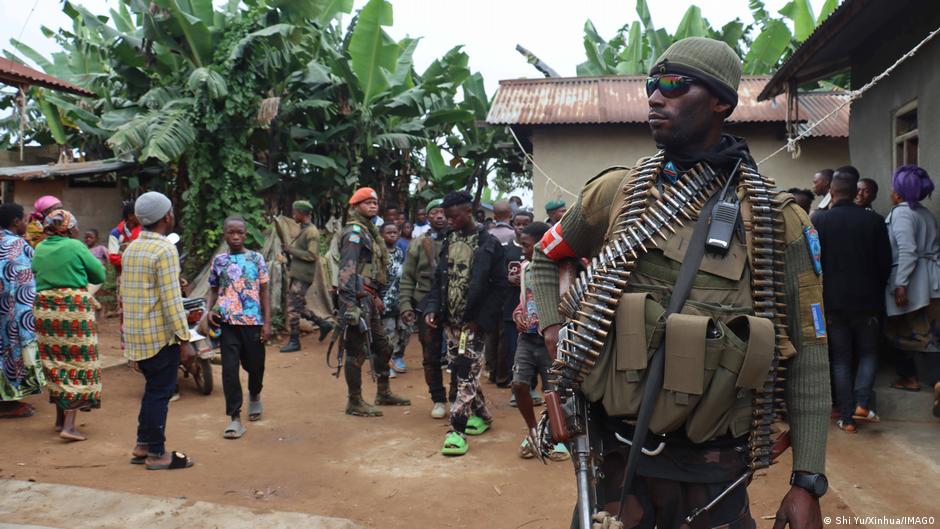
Military leaders in the Democratic Republic of Congo (DRC) have imposed a strict ban on soldiers using smartphones in active zones, citing grave security risks that have compromised past operations in the eastern provinces. Commanders warn that unchecked phone use exposes troop movements, revealing positions that could be exploited by hostile forces.
In an interview, a lieutenant stationed in the South Kivu conflict zone—speaking on condition of anonymity—shared his perspective: “I’ve always carried my phone to stay in touch with my family. Where I fight, survival is uncertain, and my loved ones deserve to know I’m still alive. But I understand the risks. If the high command orders it, we’ll comply—though we hope they also address the flawed withdrawal strategies that weaken our efforts.”
Security risks and operational secrecy
The Armed Forces of the Democratic Republic of Congo (FARDC) issued a formal statement through interim spokesperson Lieutenant-Colonel Mak Hazukay, emphasizing that even an active phone signal can betray a unit’s location. Unauthorized use of devices, he stressed, could lead to targeted attacks or unintentional intelligence leaks. Soldiers were explicitly forbidden from sharing locations, movements, operational details, troop numbers, or battlefield imagery via social media or messaging apps.
Civil society weighs in on the crackdown
Kelvin Bwija, coordinator of the Congolese Civil Society (Socico) in Uvira, hailed the ban as a critical step toward curbing internal betrayals. “This is a necessary measure,” he stated. “Some FARDC members previously used phones to clandestinely coordinate with armed groups, sharing vital intelligence. As civil society, we fully support this decision.”
Balancing communication and military discipline
Human rights lawyer Maître Aimé Bisimwa acknowledged the indispensability of mobile phones in daily life but insisted that soldiers must prioritize operational secrecy. “This restriction in no way violates a soldier’s right to communicate. Worldwide, military personnel are trained to conceal their positions and avoid exposing themselves to enemy forces. Regardless of their circumstances, they bear the duty to serve their nation, even at the cost of their lives.”
Meanwhile, clashes continue in villages across South Kivu’s highlands, where the FARDC-Wazalendo coalition, backed by Burundian forces, faces off against the AFC/M23–Twirwaneho rebel alliance, reportedly supported by Rwandan troops.