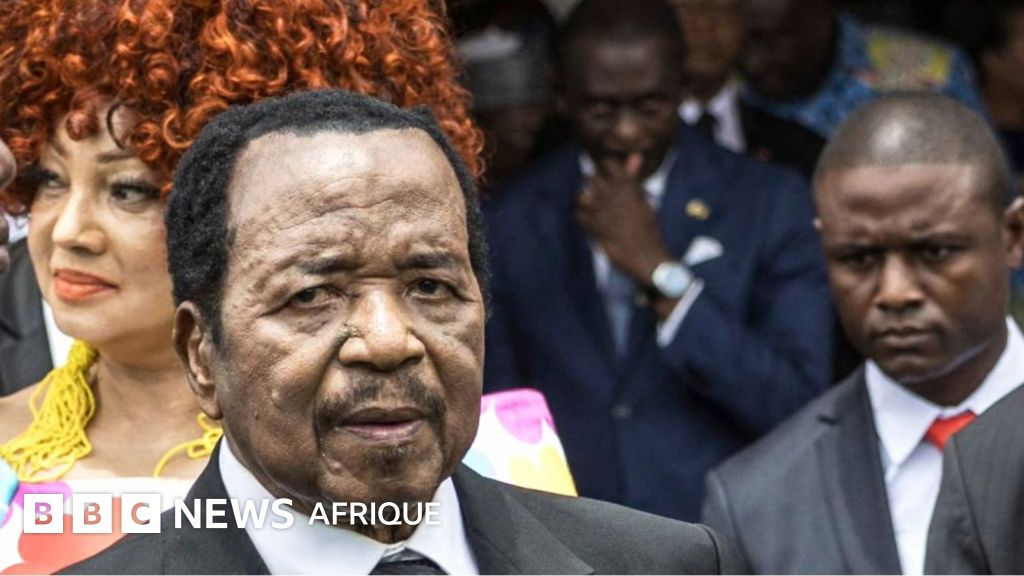
Cameroon’s president, Paul Biya, has reshuffled the country’s military leadership, a move that comes as his prolonged absence from the public eye sparks growing unease among citizens and political observers.
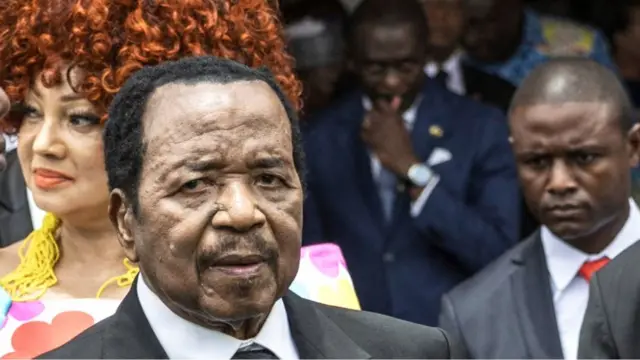
Military reshuffle raises questions amid presidential absence
President Biya, the world’s oldest serving leader, has appointed new high-ranking officers and promoted five colonels to the rank of brigadier general. This strategic adjustment follows recent political turbulence in neighboring Gabon, where a sudden coup three years ago ousted the long-standing Bongo dynasty, sending shockwaves across Central Africa.
While military reshuffles have become a recurring feature of Biya’s administration, particularly during periods of heightened public scrutiny or perceived instability, this latest move has intensified debates about the transparency and stability of Cameroon’s leadership. Critics argue that such decisions often reflect efforts to consolidate control rather than address genuine security concerns.
Extended stay abroad fuels speculation
The president has been in Switzerland since early June, a trip initially described as a “brief private stay.” However, his absence has now stretched to nearly two months, with no clear indication of his return. Many Cameroonians have expressed frustration over the lack of official updates regarding his activities or the duration of his stay.
During his time abroad, Biya has signed multiple decrees, including authorizations for the government to finalize loan agreements with international financial institutions. These actions have further fueled speculation about the state of his health, despite repeated assurances from officials that the president remains in good condition.
Two years ago, the government banned Cameroonian media from reporting on Biya’s health, a decision that drew sharp criticism from press freedom advocates. The silence surrounding his condition has only deepened public skepticism, especially as key government positions, including that of vice president—created in April—remain unfilled.
Opposition voices concerns over institutional vacuum
Mamadou Mota, vice president of the opposition CRM party, has described Biya’s prolonged absence as a “flagrant institutional vacuum,” arguing that executive power must be exercised within the country’s borders, not remotely from distant hotel suites.
Government spokesperson René Emmanuel Sadi has dismissed these concerns, stating that the president is actively working from Geneva and will return to Cameroon soon. However, opposition figures and citizens alike continue to question the legitimacy of decision-making processes conducted far from the capital.