Cameroon’s opposition party pushes for stronger constitutional safeguards as president’s prolonged absence raises concerns
Paul Biya, Cameroon’s long-serving president, remains overseas over 40 days after a brief private trip to Europe, leaving the nation without clear communication on his whereabouts or status. Official statements from the Civil Cabinet provided minimal detail beyond confirming his departure from Yaoundé, while credible reports indicate he has been in Switzerland for undisclosed reasons. This prolonged absence has sparked public debate and prompted calls for greater transparency.
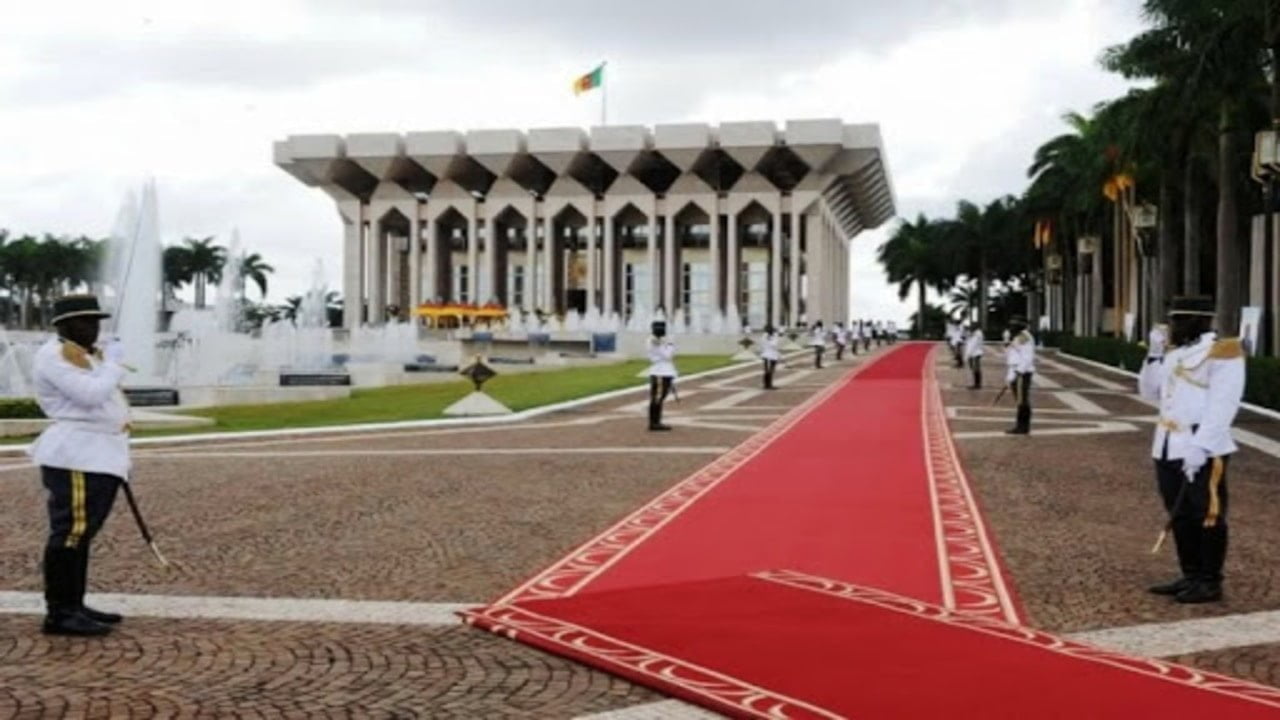
The silence surrounding the president’s absence is particularly striking given the current political climate. With Biya beginning his eighth term following a contested election and constitutional reforms adopted in April 2026, critical questions about governance and institutional continuity have emerged. Among those raising concerns is the Union Démocratique du Cameroun (UDC), whose leader, Patricia Tomaino Ndam Njoya, has criticized the lack of clarity surrounding the president’s extended absence from the Palais de l’Unité.
Constitutional gaps exposed by prolonged presidential absence
The UDC argues that Cameroon’s current constitutional framework lacks sufficient mechanisms to address situations of prolonged presidential absence. The 2026 revisions introduced provisions for a vice-president, yet this position remains unfilled. The party is calling for immediate action to clarify procedures for managing temporary incapacitation, including the appointment of a vice-president and the establishment of transparent notification protocols for national and parliamentary bodies.
In a detailed statement, the UDC emphasizes the need to define clear timelines for presidential absences, ensure regular public updates, and formalize delegation protocols for presidential functions when required. The party warns that unaddressed gaps in the constitution could lead to institutional paralysis, particularly as the country approaches legislative and municipal elections.
Growing public unease and institutional instability
The prolonged absence has also fueled speculation and public reactions. Members of the public and opposition figures have questioned the implications of Biya’s absence, while a group calling itself the Brigade Anti Sardinard staged a protest outside the presidential residence in Yaoundé, demanding the president’s return. Meanwhile, reports of unauthorized presidential decrees circulating on state media have heightened fears of a constitutional crisis.
As July draws to a close, political parties, including the ruling RDPC, are preparing for critical internal meetings in the absence of their leader. The upcoming legislative and municipal elections have intensified political maneuvering, with some parties already reshuffling leadership in anticipation of a reshaped electoral landscape.
The UDC’s demands reflect broader concerns about governance and accountability. With no official updates on Biya’s health or return timeline, the uncertainty surrounding his absence underscores the urgent need for constitutional reforms to ensure stability and transparency in Cameroon’s highest offices.