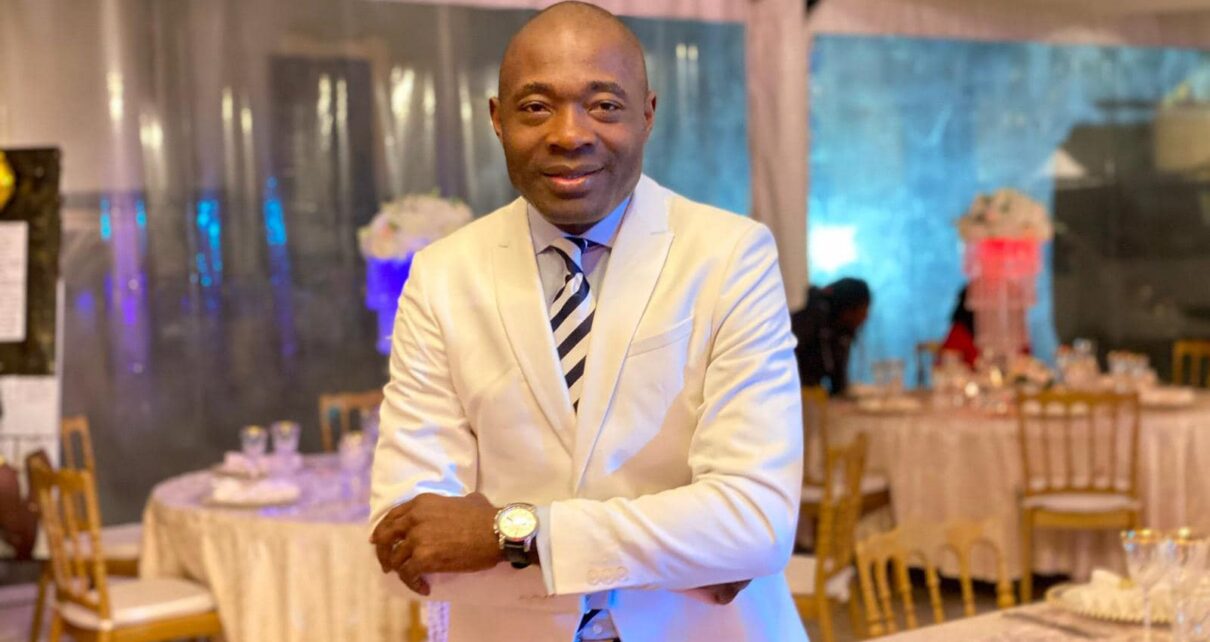
Jean Claude Mbede reflects on the real tribalism in Cameroon.
Here is his account:
Tribalism stories – Cameroon #1
I have decided to start recounting true stories about tribalism, which sometimes nests where you least expect it, dressed in the garments of intellectualism and privilege. Let me share a story that reveals the great deception of our society.
Recently, I was conversing with a “friend” from the Grand North region. A graduate of ESSTIC and IRIC—two prestigious schools whose access keys are well known in Cameroon—and the daughter of a customs officer, an ultra-privileged sector. She is not the brightest in the country, yet she passed both competitive exams that even PhD holders fail each year. In my own family, since independence, no one has ever had the privilege of entering one of these institutions.
Nevertheless, during our conversation, she repeated the old refrain: “The country is tough, except for the Betis who control everything and only succeed among themselves.” The cynicism peaked when she added that if I have lived in exile for 20 years, it is because of my ‘pride.’ According to her, I only needed to ‘ask forgiveness’ from my Beti brothers to be ‘fine’ in Cameroon.
“Ask forgiveness for which crime? What fault?” I asked her.
When our Beti brother Martinez Zogo begged his torturers—funded by elites from all sides—did they show pity? In the team that cowardly murdered him, was there a single ethnicity? No. Crime and the feeding trough have no tribe.
Reminding her that she benefited from this system far more than most young Betis or people from other regions changed nothing. In one sentence, she trivialized 20 years of exile, suffering, loneliness, and struggles with insulting lightness.
My reaction was radical: I blocked her. I have zero tolerance for tribalists, especially the most privileged.
Get this straight: In Cameroon, there are really only two ethnic groups:
- Those who hold the keys to the system: who place their children at IRIC, ESSTIC, ENAM, or EMIA through elite connections.
- The rest of us: children of resourceful mothers, field workers, who had to sell unchilled water on the streets to survive.
The real divide is not regional; it is social. Do not let yourselves be distracted by those who benefit from the system while weeping about marginalization.
I got rid of her, because the tribalism of the privileged is the most dangerous of all.
Jean Claude Mbede Fouda