Senegal’s shifting political landscape and Middle East tensions
Dakar — The political scene in Senegal is undergoing significant transformations, while regional and global tensions continue to escalate. This week’s analysis delves into the latest developments shaping the country’s future and the broader international context.
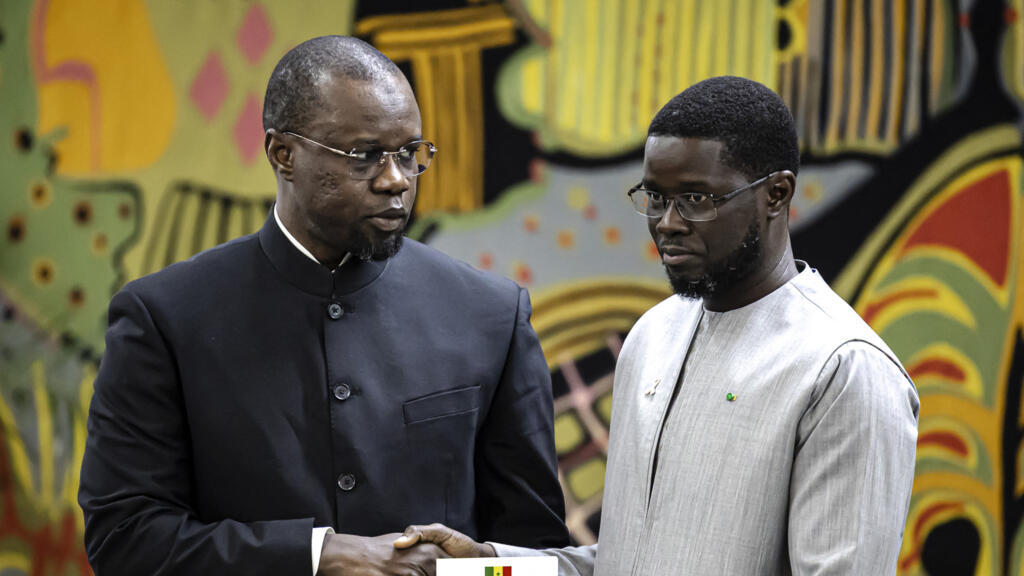
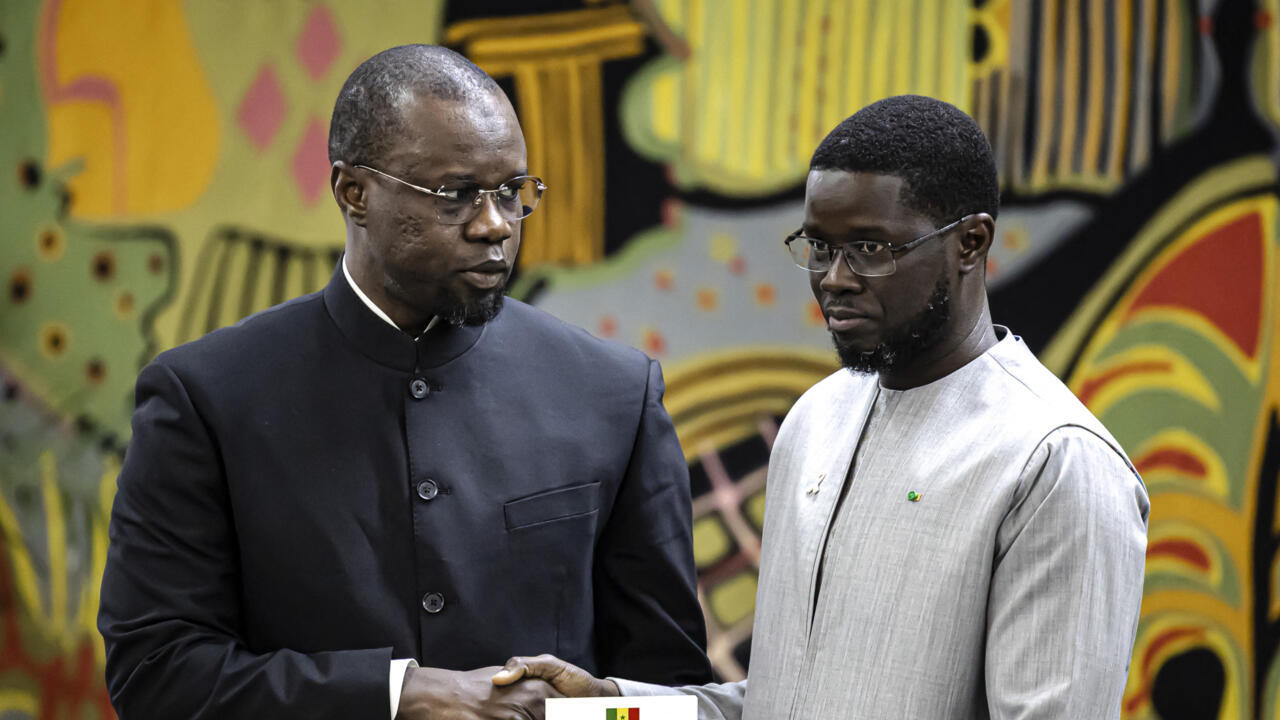
The political arena in Senegal has entered a critical phase. The establishment of a new presidential party and the Conseil constitutionnel‘s decision to invalidate a constitutional reform proposed by the majority parliamentary group led by Ousmane Sonko at the Assemblée nationale have set the stage for a new chapter in President Bassirou Diomaye Faye‘s term. The question now is whether this strategy will succeed in winning over the opposition and gaining public support.
The Conseil constitutionnel‘s ruling has sparked intense debate, with many questioning the implications for Senegal’s democratic processes. Meanwhile, the government’s move to consolidate its political base through the formation of a new party suggests a strategic effort to strengthen its mandate. Will this approach resonate with the Senegalese public, or will it deepen divisions?
Middle East tensions and global implications
Across the globe, tensions in the Middle East are escalating once again. Following a fresh wave of airstrikes and retaliatory measures, recent statements from Washington indicate that the ceasefire may be collapsing. President Donald Trump has declared that negotiations with Tehran are a “waste of time,” hinting at the possibility of further military interventions. Is the region on the brink of another major conflict?
As global powers recalibrate their strategies, the implications for Africa—particularly for Senegal—are profound. The country’s role in international diplomacy and its position on key global issues will be closely watched in the coming months.
Expert insights on Africa’s role
Each week, a panel of African journalists and analysts provides in-depth commentary on the continent’s evolving political and economic landscape. This week’s discussion features:
- Wuldath Mama, Beninese journalist specializing in international affairs
- Eric Topona, Chadian journalist with Deutsche Welle’s Francophone Africa desk
- François Hiondi Nkam, senior reporter and head of the Economy desk at Cameroon’s Le Jour newspaper
Through their expertise, they offer a nuanced perspective on the challenges and opportunities facing Africa today.
What lies ahead for Senegal?
The political and geopolitical shifts unfolding in Senegal and beyond demand careful scrutiny. As the country navigates internal reforms and external pressures, the decisions made in the coming weeks will shape its trajectory for years to come. Will the government’s strategy succeed in uniting a divided nation, or will further tensions arise? And how will Africa’s voice be heard on the global stage?
These are the questions that will define the next phase of Senegal’s journey.