The Cameroonian state has entered an active phase of negotiations to acquire the 56% stake held by the British group Globeleq in two vital electricity generation companies. Yaoundé is currently in discussions with the London-based investor regarding the repurchase of its shares in Kribi Power Development Company (KPDC) and Dibamba Power Development Company (DPDC). The indicative valuation for this transaction stands at approximately 80 billion FCFA, equivalent to about 138 million US dollars. While a formal offer has yet to be submitted, discussions are reportedly well advanced, with a target for finalization set before the close of 2026.
Key power plants central to Cameroon’s electricity mix
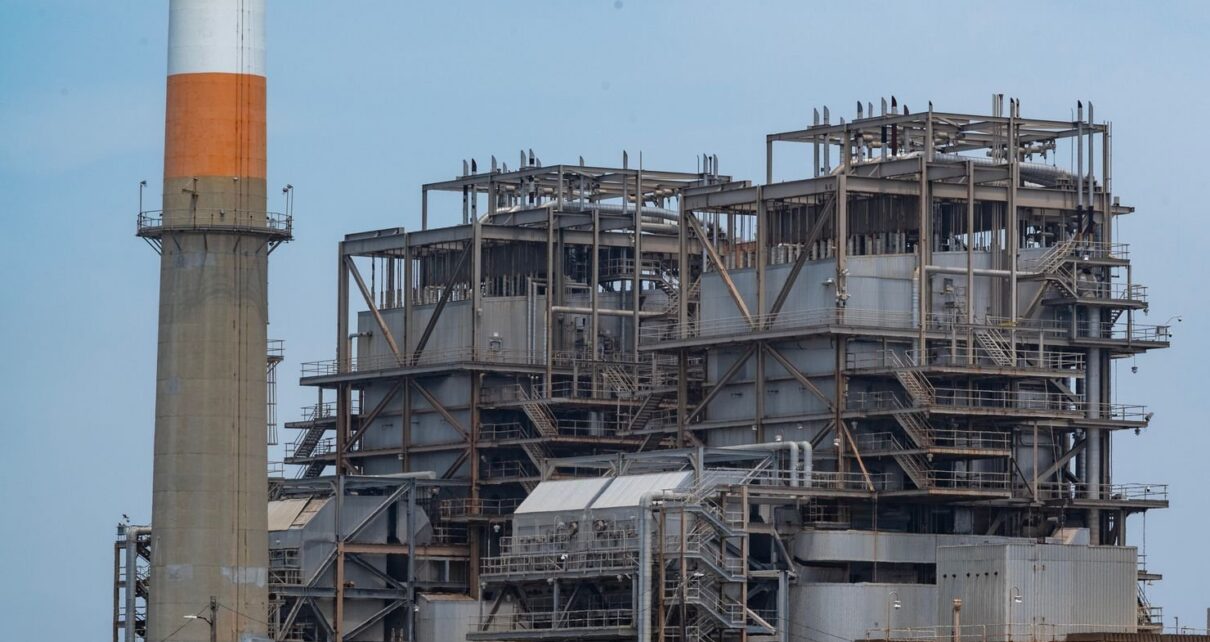
These assets are far from insignificant for Cameroon’s energy landscape. The Kribi gas-fired power plant, operational since 2013 in the Southern region, boasts an installed capacity of 216 megawatts. It serves the South interconnected grid, which is the nation’s primary consumption hub. Meanwhile, the Dibamba plant, a heavy fuel oil thermal facility located near Douala, contributes 88 megawatts. This plant acts as a crucial backup, supplying power during peak demand periods or in instances of hydroelectric system failures. Collectively, these facilities represent a substantial portion of the country’s thermal capacity, complementing a system heavily reliant on hydropower, which is inherently susceptible to rainfall fluctuations.
The gradual commissioning of the Nachtigal dam, anticipated to be fully operational in the near future, is poised to redefine Cameroon’s energy equation. In response, authorities are looking to strategically realign existing thermal capacities within an optimized framework. Under this vision, the Kribi gas plant would maintain its role as a foundational energy source, while Dibamba would increasingly serve as an emergency or supplementary power provider. Reclaiming capital control over these critical infrastructure assets would empower the state to directly influence operational, maintenance, and tariff-setting decisions.
A highly strategic undertaking
Globeleq, under the control of the British fund CDC Group and Norway’s Norfund, established its presence in Cameroon in 2014 by acquiring stakes previously held by AES. This planned divestment aligns with a broader trend of portfolio restructuring among independent power producers across Africa. These producers are navigating evolving regulatory environments and the increasing desire of African states to regain control over their strategic assets. Cameroon is no exception to this trend, particularly as its electricity sector continues to grapple with structural challenges, including the precarious financial health of Sonatrel and outstanding arrears owed to independent power producers.
The indicative price tag of 80 billion FCFA alone raises significant questions regarding financial closure. The Cameroonian state’s budgetary flexibility is currently constrained by debt servicing obligations and commitments made to the International Monetary Fund under its ongoing program. Plausible financing scenarios include involvement from multilateral lenders, a dedicated issuance on the regional BEAC market, or the introduction of a substitute technical partner. The chosen legal structure for the acquisition will also directly influence future tariff trajectories in a nation where electricity prices are regulated, and any increase could potentially ignite social unrest.
A crucial signal for independent producers in Central Africa
Beyond Cameroon’s specific situation, this transaction will be closely observed by all private investors engaged in independent power producer (IPP) projects across Sub-Saharan Africa. Yaoundé’s ability to successfully execute an orderly transaction, accurately value the assets, and ensure operational continuity will send a clear message to funds and developers involved in similar ventures in Gabon, Congo, or Côte d’Ivoire. Conversely, a poorly structured agreement or an ill-managed disengagement could undermine the country’s appeal for future private sector financing, especially at a time when investment needs in power generation, transmission, and distribution remain substantial.
Nevertheless, the tight timeline indicated by sources close to the matter suggests that critical issues, particularly the definitive valuation and the fate of existing power purchase agreements, must be resolved within the coming months. Discussions are actively ongoing with the aim of finalizing the deal before the end of 2026.