Senegal’s National Assembly clarifies legal framework for parliamentary commissions
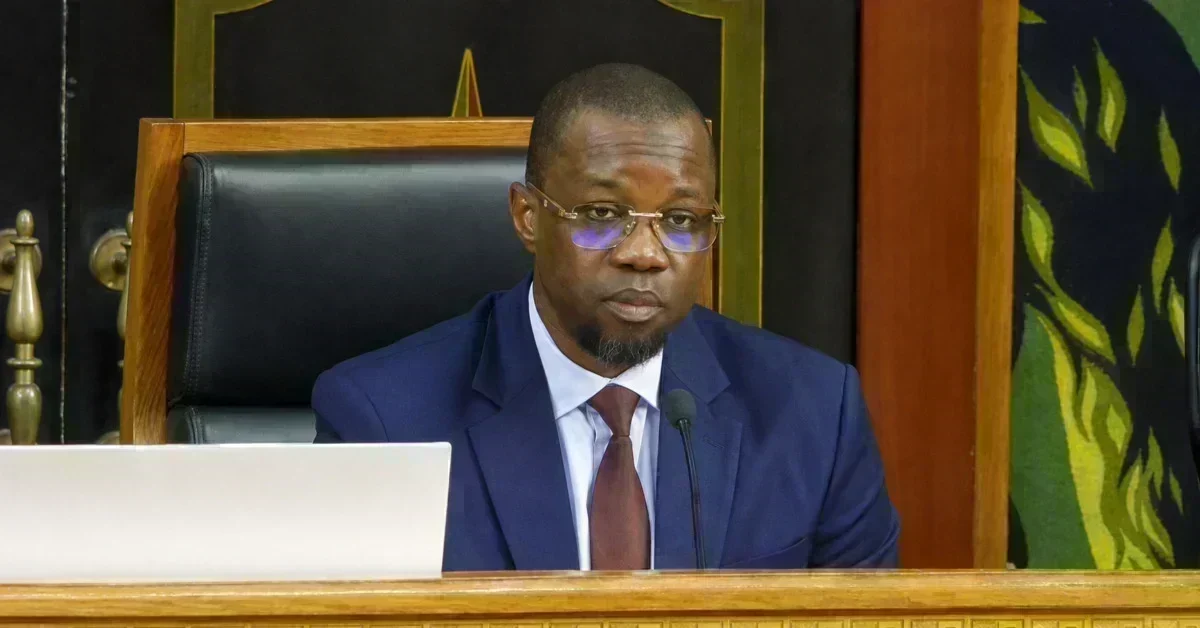
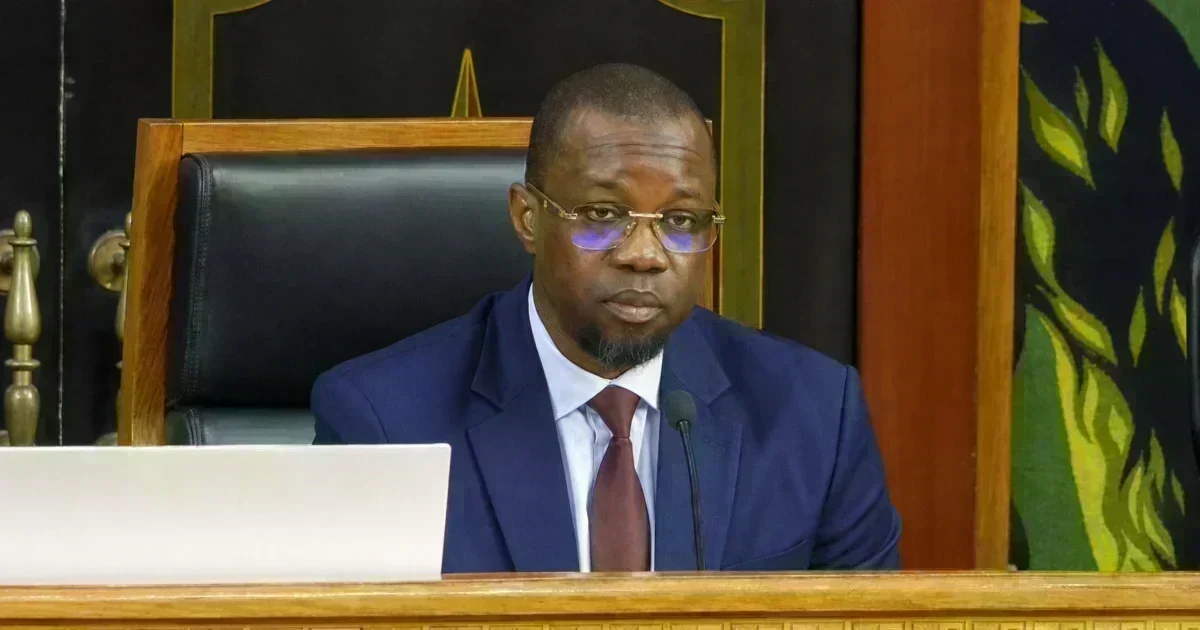
During the opening of the first extraordinary session of the 2026-2027 legislative year, the President of Senegal’s National Assembly addressed concerns about the legality of six proposed parliamentary inquiry commissions. He emphasized the strict legal boundaries governing such initiatives.
Legal constraints and parliamentary oversight in Senegal
The President highlighted that existing legislation prevents the National Assembly from establishing inquiry commissions on cases already under judicial review. To reinforce this point, he confirmed direct verification with the Minister of Justice regarding the status of the six proposed commissions.
« The law clearly states that the National Assembly cannot launch a parliamentary commission on any matter currently before the courts, » he stated. « I personally sought confirmation from the Minister of Justice last week, who confirmed that out of the five priority cases, only one—the land management inquiry near the former Dakar airport—could proceed without judicial conflict. »
Session agenda and key legislative priorities
The extraordinary session, limited to 15 days as per organic law, includes 11 legislative items: two private member bills, three government proposals, and six requests for parliamentary inquiry commissions. The commissions focus on critical national issues, including:
- Land management around the former Dakar airport
- The « One Student, One Laptop » program
- Tax revenue losses and exemptions
- Fishing license issuance conditions
The clarification comes as political tensions rise over the scope of parliamentary oversight versus judicial authority in Senegal’s evolving governance landscape.