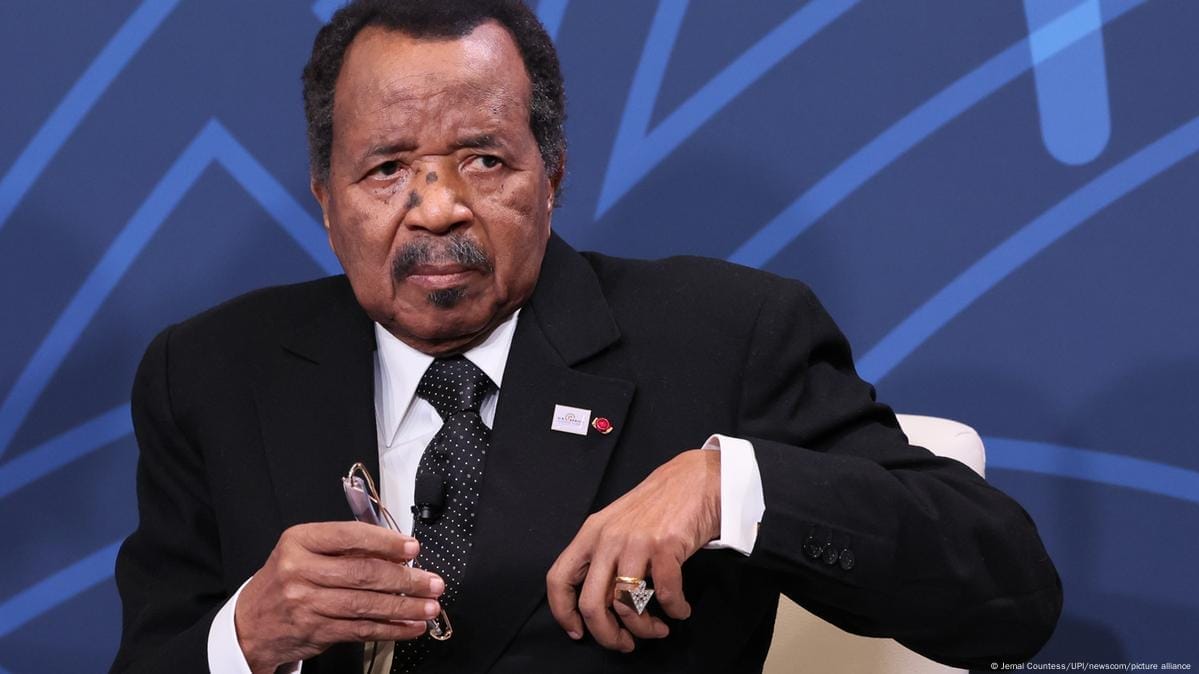
Cameroun: prolonged absence of Paul Biya sparks political uncertainty
Since his departure on June 7, 2026, for what was officially described as a brief private stay in Europe alongside his wife, President Paul Biya has not returned to Cameroun. With 44 days elapsed and no official update on his whereabouts or condition, the prolonged absence has intensified public debate about the stability of the country’s leadership.
Rumors about his health have proliferated across local media and social networks, while the silence from official channels has done little to quell concerns. The situation raises pressing questions about the continuity of governance and the transparency of state institutions.
Government insists institutions remain stable
In response to growing speculation, the ruling Rassemblement démocratique du peuple camerounais (RDPC) has sought to reassure the public. In an editorial published on July 15 in L’Action, the party’s official newspaper, Christophe Mien Zok, Director of Propaganda, issued a firm statement.
« The power is not vacant. The Lion has not left, » he declared, dismissing claims that the country is being governed remotely or left in an institutional void. Official presidential channels have continued to circulate messages from Paul Biya, including greetings to foreign heads of state such as French President Emmanuel Macron on Bastille Day and the President of Montenegro. Yet, no public appearances or detailed updates regarding his activities have been provided.
Opposition demands answers and legal clarity
The absence of transparency has reignited criticism from opposition figures. Deputy Jean-Michel Nintcheu has submitted a formal request to the Constitutional Council to assess whether the prolonged absence could constitute a power vacuum under the constitution.
The Union démocratique du Cameroun (UDC) has also weighed in, emphasizing that while a president’s absence from national territory does not automatically trigger a vacancy, it underscores critical gaps in the legal and institutional framework. The party insists that the lack of a vice-president—following constitutional revisions in April—highlights the urgent need for reforms to clarify procedures during presidential absences.
Constitutional law experts point out that after 45 days of absence, the situation could warrant review by the Constitutional Council, though no law currently sets a maximum duration for a president’s stay abroad. The UDC argues that clear, legally binding rules are essential to prevent institutional ambiguity and ensure continuity of state functions.
Public debate intensifies amid institutional silence
As the days pass without clarification, the divide between government reassurances and opposition demands grows wider. Authorities maintain that state institutions are functioning normally, while critics call for greater openness about the president’s condition and a stronger legal foundation to manage such scenarios.
The debate reflects broader concerns about governance, transparency, and the resilience of Cameroon’s political institutions in an era of heightened public scrutiny.