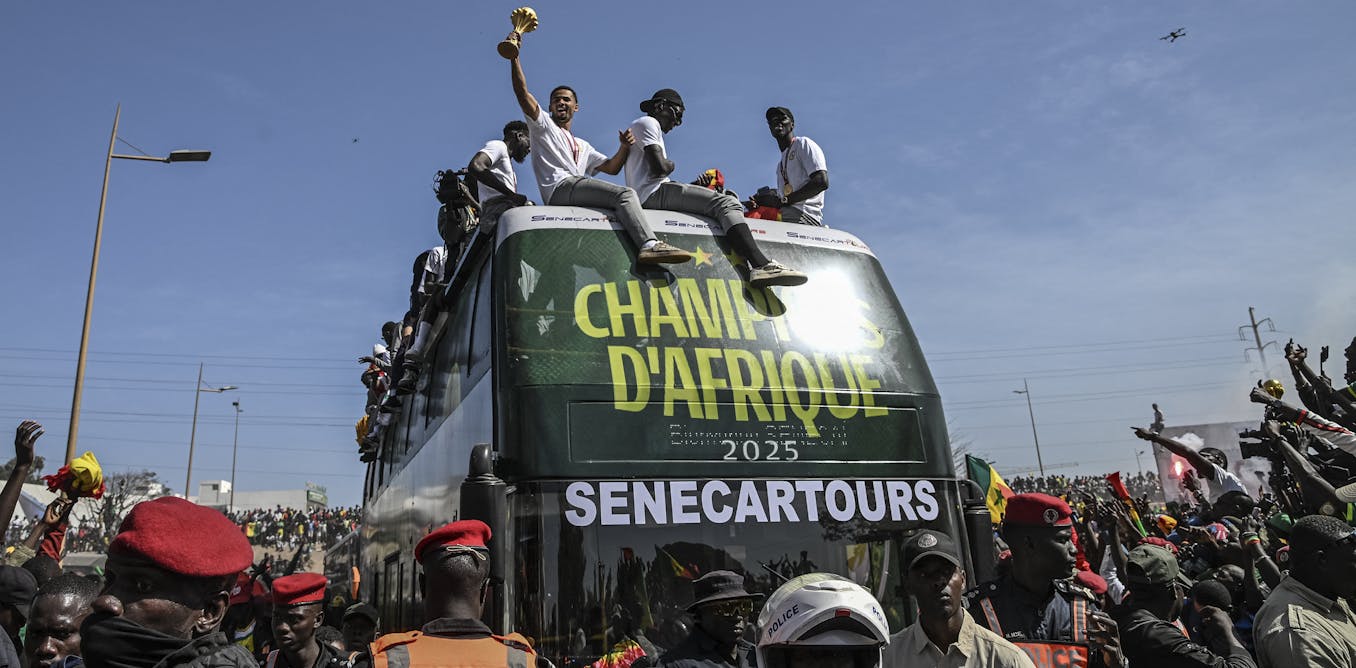
The Appeals Jury of the Confédération Africaine de Football (CAF) delivered a stunning verdict two months after the TotalEnergies CAF Africa Cup of Nations (CAN) 2025 final concluded on the field with a 1-0 scoreline. The panel ruled to award Morocco a 3-0 technical victory over Senegal—a decision based on the Senegalese team’s temporary exit from the pitch during the match.
This unprecedented ruling, grounded in Articles 82 and 84 of the CAF regulations, has sparked intense debate about the interpretation of sports law and the authority of match officials. How did a result decided on the field become overturned by legal technicalities? What does this mean for future competitions, and what recourse remains for the Senegalese Football Federation (FSF)?
what legal grounds supported the caf’s controversial decision?
The Appeals Jury relied on Chapter 35 of the CAN regulations, specifically Articles 82 and 84, which address team withdrawals. According to the ruling:
Pursuant to Article 84 of the Regulations of the TotalEnergies CAF Africa Cup of Nations Morocco 2025, the Senegal national team was declared forfeit in the final match. The result was subsequently recorded as a 3-0 victory for the Royal Moroccan Football Federation (FRMF).
The legal framing of the incident as a “withdrawal” rather than a mere “abandonment” proved decisive. In sports law, terminology shapes outcomes—misclassification can lead to unintended consequences. Just as a medical diagnosis dictates treatment, the correct interpretation of regulations determines the applicable legal framework and resolution of disputes.
why did the caf override the referee’s decision to resume play?
While the Appeals Jury operates independently, its decision to disregard the referee’s choice to continue the match raises critical questions. The on-field official had the discretion—under Law 5 of the IFAB—to suspend, resume, or terminate the game based on circumstances:
« The referee has the full authority to enforce the Laws of the Game… to stop, suspend, or abandon the match for any infringement or external interference. »
There is no fixed time threshold mandating match abandonment. The referee’s authority is absolute: decisions on goals, play resumption, and final results are final and binding on all parties. Yet, in this instance, the Appeals Jury chose a different path—one that prioritized regulatory compliance over on-field adjudication.
has a similar case ever occurred in african football finals?
This scenario is virtually unheard of in a CAN final. While matches have been replayed or abandoned before—such as the 2018 World Cup qualifier between South Africa and Senegal, which was replayed due to referee corruption—the current case stands apart. The Senegalese team returned to the pitch and completed the match, unlike cases like the 2019 CAF Champions League final between Wydad Casablanca and Espérance de Tunis, where the Moroccan side refused to resume play after a disputed decision.
The Wydad case ultimately led to a forfeit ruling by the Court of Arbitration for Sport (CAS), but the key difference lies in resumption: the Senegalese team played on, while Wydad never returned to the field.
can Senegal still challenge this decision?
Yes. The FSF has already filed an appeal with the Court of Arbitration for Sport (CAS), as is standard procedure when a sports governing body issues a final decision. The process involves submitting a formal appeal, paying a filing fee of 1,000 Swiss francs (approximately $1,279), and presenting arguments before the tribunal.
The FSF has also requested an interim suspension of the CAF ruling, allowing Senegal to retain its title until the CAS delivers a final verdict—expected within several months. This case serves as a pivotal moment in sports jurisprudence, touching on:
- interpretation of sports regulations
- scope of referee authority
- composition and independence of appeals bodies
- application of estoppel in ongoing proceedings
- governance challenges within African football
The outcome will not only determine the 2025 CAN champions but could also reshape how future disputes are resolved in African football.