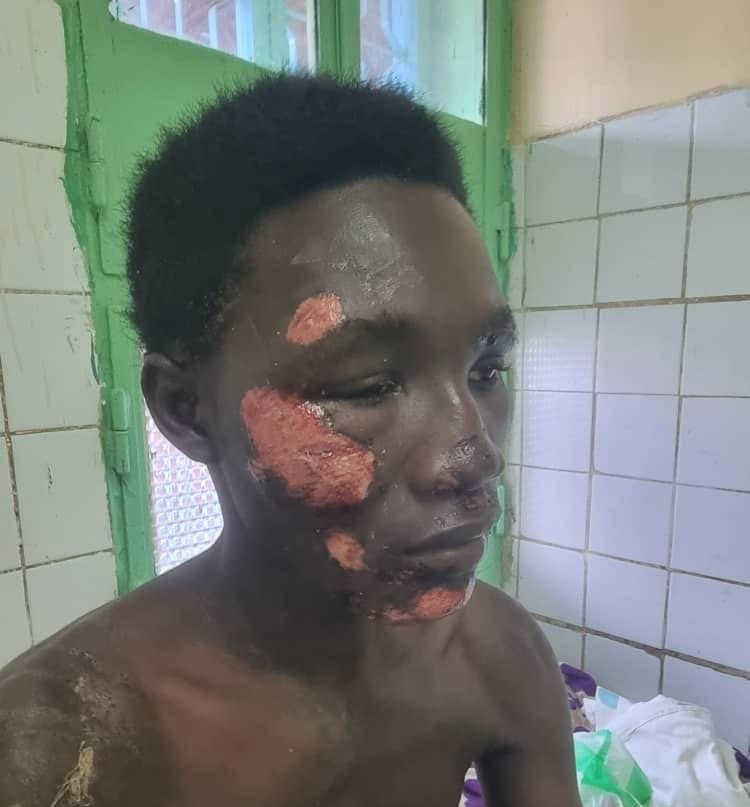
N’Djaména father demands urgent security action after son’s assault near camp 27
A young man was attacked near Camp 27 in N’Djaména, prompting his father to denounce security failures and call for stronger citizen protection from authorities.
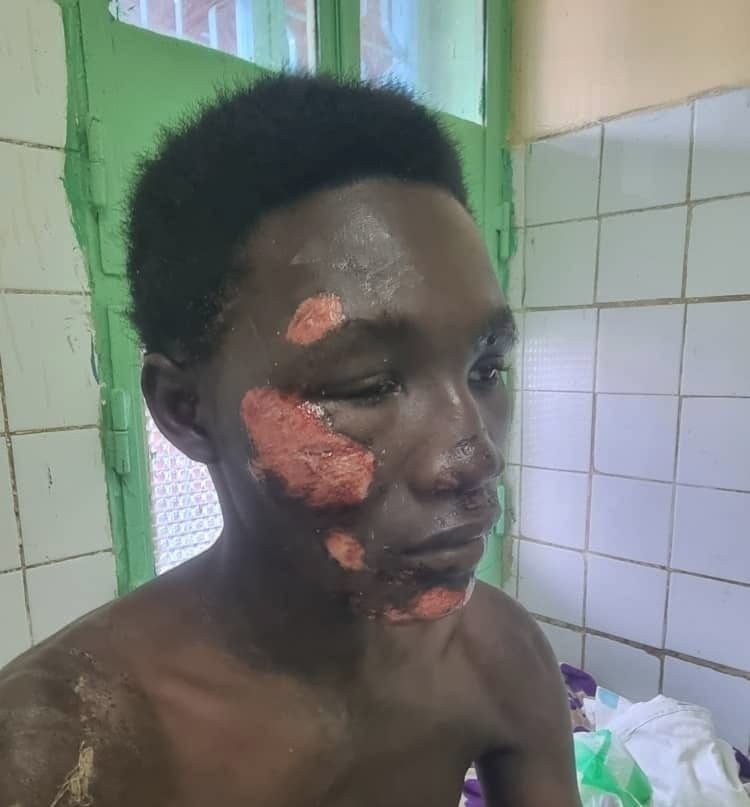
Mahamat Adam has issued a stark warning to authorities in Chad following a violent assault on his son, a young man in his twenties. The incident occurred on Tuesday, July 15, 2026, around 10 PM, in close proximity to Camp 27 in N’Djaména, sparking serious concerns about public safety in the capital.
According to Mr. Adam’s heartfelt testimony, his son, Adam Mahamat Adam, was en route to Amriguebé after departing from the Farcha district. As he approached Camp 27, he was ambushed by assailants, an attack that led to an accident. Despite the traumatic experience, the young man remained conscious and was swiftly assisted by the sentinels stationed at Camp 27. Subsequently, a police patrol arrived on the scene and urgently transported him to the Central Hospital for medical attention.
During their intervention, law enforcement officers managed to secure the victim’s motorcycle, which the attackers had been unable to steal. However, the perpetrators successfully evaded capture, disappearing without a trace into the night.
While Mahamat Adam acknowledges the sequence of events, he vehemently disputes the official interpretation. He expressed profound dissatisfaction with the sentinels’ explanation, which simply stated that the suspects fled. For Mr. Adam, this account fails to grasp the gravity of the situation and, more critically, masks what he perceives as a glaring lapse in security protocols.
« The aggression took place mere meters from Camp 27, » he lamented. « This unequivocally demonstrates that Chadian citizens are not safe, even in areas that are supposedly under protection. »
The distressed father is now directly appealing to the Ministry of Public Security, urging them to fully embrace their responsibilities and significantly enhance the protection afforded to the nation’s citizens. He firmly believes that no district should be without a visible and deterrent presence of law enforcement. The unsettling proximity of this incident to a military installation, he argues, only amplifies the public’s apprehension and underscores the urgent need for action.
As the investigation continues, the victim’s family awaits tangible measures and concrete responses from the authorities, seeking more than just assurances.