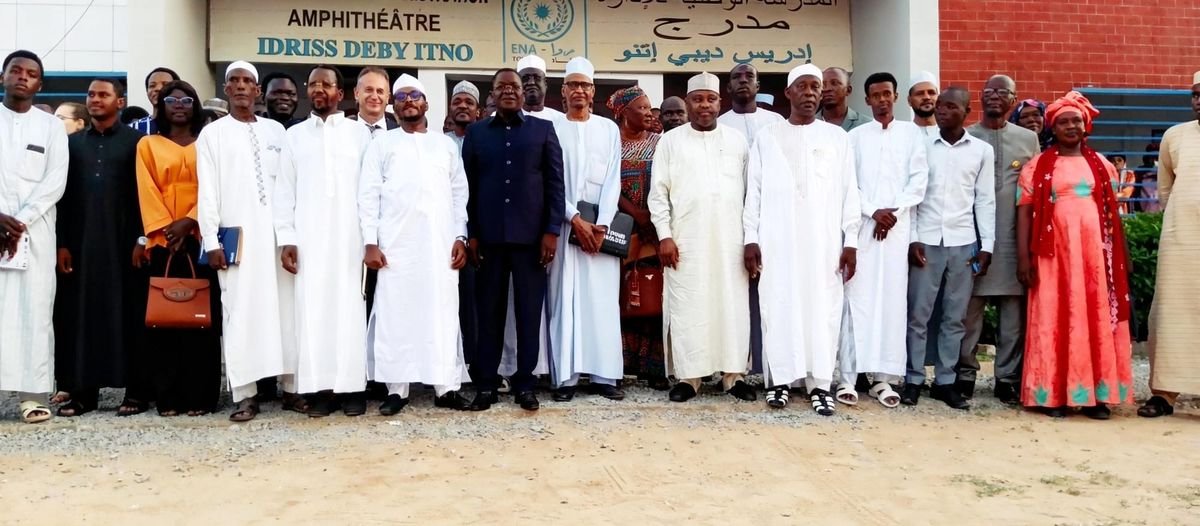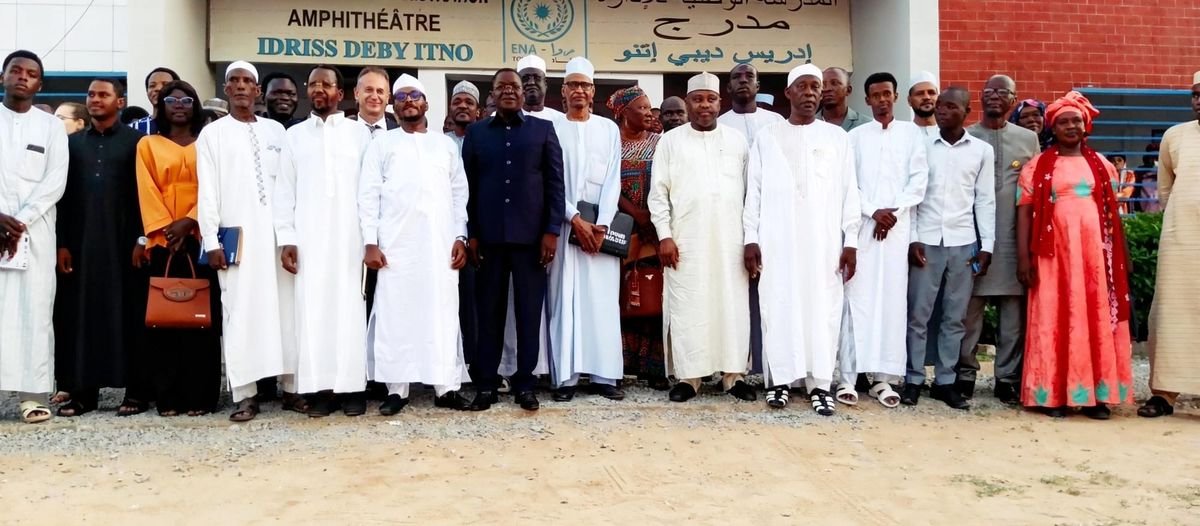
In a packed amphitheater at the Idriss Déby Itno National School of Administration (ENA), Chad’s political landscape witnessed a pivotal moment this week. Former Prime Minister and current Senator Albert Pahimi Padacké delivered a thought-provoking lecture-debate on the critical role of provincial councils in reshaping the nation’s governance. The event drew a diverse audience of civil servants, university students, and political figures, all eager to dissect the pressing issue of decentralization.
Under the theme “Decentralization in the context of development: the case of provincial councils”, the session evolved into a bold critique of the central government’s reluctance to relinquish control. Despite Chad’s formal commitment to decentralization, Pahimi Padacké argued that the reality falls far short of expectations. The central state, he insisted, remains entrenched in a rigid, top-down approach that stifles local initiatives and perpetuates inequality.
Why decentralization matters for Chad’s future
The former head of government began by outlining the theoretical advantages of decentralization. By bringing decision-making closer to communities, provincial councils could unlock local potential, accelerate social progress, and ensure a fairer distribution of national resources. Key areas like education, healthcare, and infrastructure would benefit from faster, more responsive governance—something impossible under a system where even minor decisions require approval from distant ministries in N’Djamena.
Yet, Pahimi Padacké’s analysis revealed a stark disconnect between policy and practice. While laws exist to support decentralization, the central administration continues to resist meaningful transfers of authority, particularly financial autonomy. Provincial councils, he noted, are often established in name only, hamstrung by a lack of resources and suffocating oversight. “A decentralization without fiscal independence is nothing more than an administrative illusion,” he declared, underscoring the frustration shared by many local leaders.
Breaking the chains of vertical governance
The lecture quickly transformed into a call for urgent reforms. Pahimi Padacké urged policymakers to dismantle the entrenched “vertical governance” that has long dominated Chad’s institutions. For the country to progress, he argued, the state must trust local elected officials and empower provincial councils to act as engines of economic growth—not mere extensions of the capital’s bureaucracy.
The subsequent discussion, featuring future civil servants and political analysts, highlighted the depth of public concern. Participants debated the obstacles hindering decentralization, from bureaucratic inertia to political resistance. The consensus? The future of Chad’s development hinges on whether the government can move beyond rhetoric and embrace genuine local governance.