From prison to freedom: the strategic stakes of Chad’s mass pardon
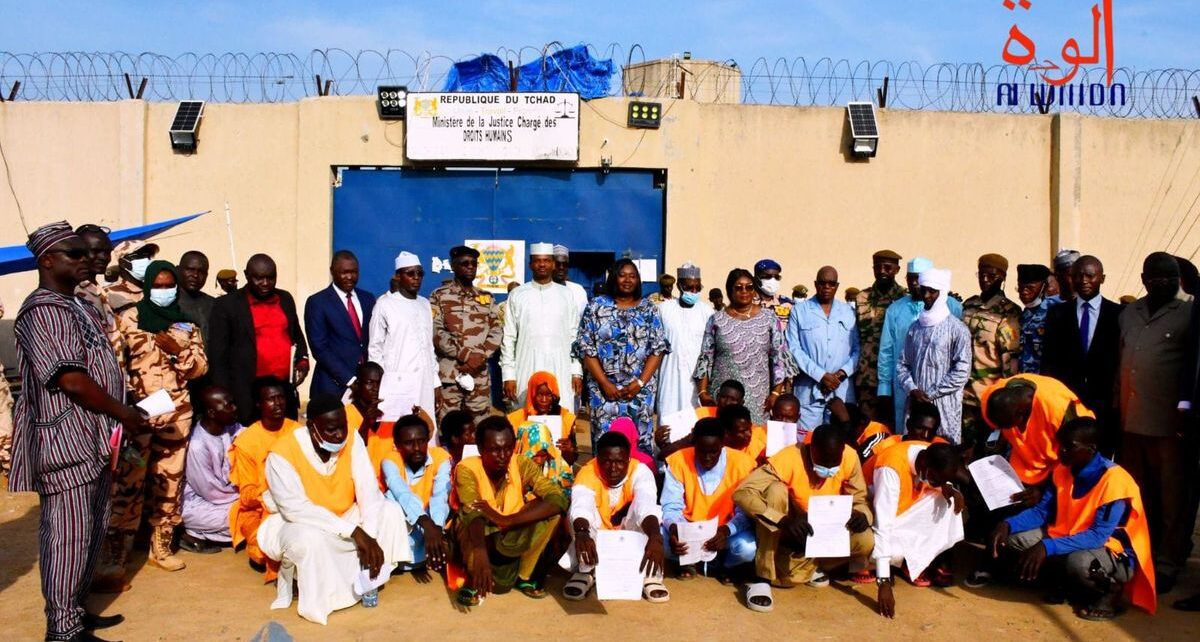
On Wednesday, September 16, 2026, Chad’s Minister of Justice, Ndolenodji Alixe Naïmbaye, oversaw the release of 150 inmates from Klessoum prison in N’Djamena. This unprecedented collective pardon, enacted under Decree No. 2151/PR/2026, marks a pivotal moment in the nation’s penal policy—raising critical questions about justice reform, rehabilitation, and the long-term impact on affected families and communities.
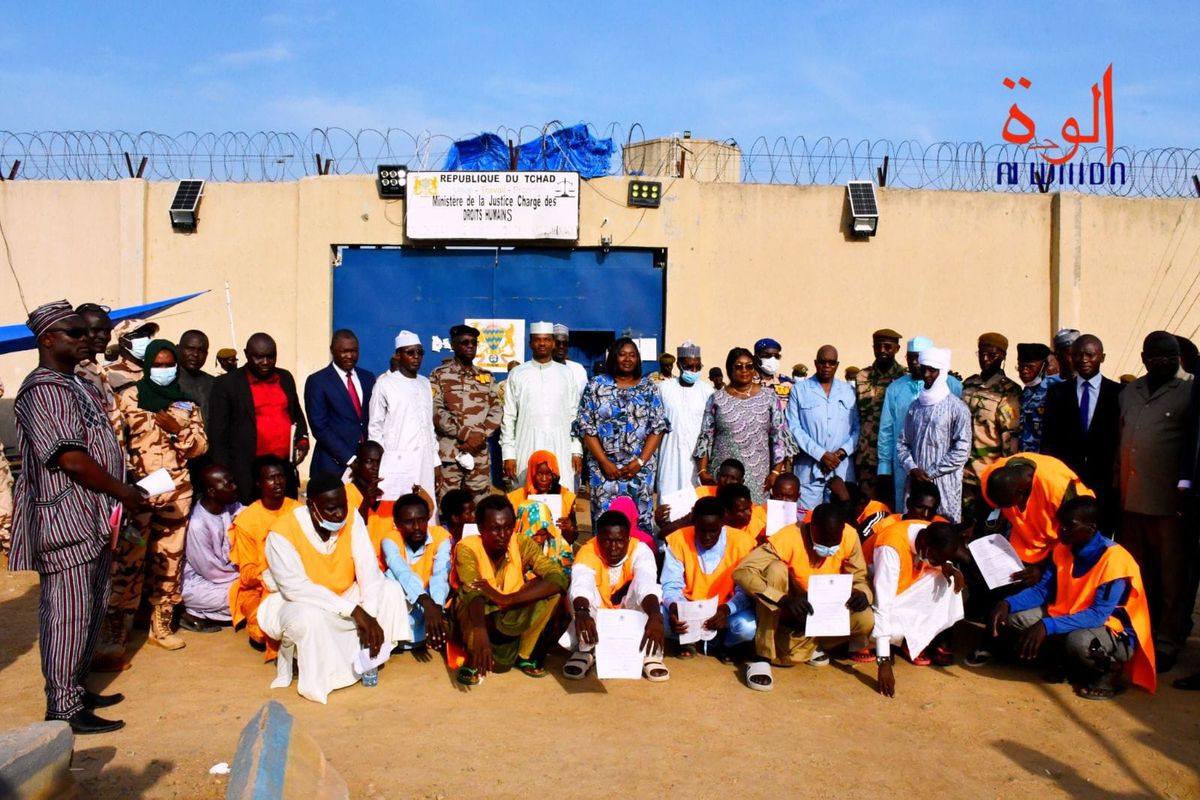
Justice meets compassion: the human face of Decree 2151
In a solemn ceremony held within the prison walls, Minister Naïmbaye delivered a powerful address, emphasizing the decree’s dual foundations: humanity and equity. Referencing President Mahamat Idriss Déby Itno’s vision, she stated, “Every citizen deserves justice that is competent, swift, accessible, and equitable.”
The minister clarified that while this collective pardon is a sovereign act of mercy rooted in Chad’s constitution, it is not just an abstract legal provision. It is a tangible demonstration of the government’s commitment to aligning penal policy with modern humanitarian standards. The decree applies exclusively to common-law criminal convictions, ensuring that the rights of victims and third parties remain protected while providing relief to those serving sentences.
Who benefits—and what does freedom look like now?
The release applies to inmates whose residual sentences have been fully extinguished under the decree’s legal framework. This includes:
- Partial sentence reductions for those nearing completion of their terms
- Full releases for 150 individuals whose remaining jail time has been pardoned
- No alteration to civil or restitution obligations tied to their convictions
Each beneficiary received an official certificate of release, marking the end of their incarceration under this decree. The ceremony concluded with a symbolic group photo, capturing the emotional weight of the moment for families and officials alike.
Beyond the gates: reshaping Chad’s penal landscape
The implications of this decree extend far beyond the 150 individuals freed. Minister Naïmbaye highlighted three core objectives behind the measure:
- Humanizing prison conditions: Acknowledging the need for dignity in detention
- Pragmatic sentence management: Reducing prison overcrowding through targeted clemency
- Strengthening the rule of law: Balancing mercy with justice to foster societal trust
She reaffirmed the government’s dedication to modernizing Chad’s judicial institutions, with support from national and international partners. This initiative reflects a broader strategy to consolidate state legitimacy by demonstrating responsiveness to humanitarian concerns without compromising legal accountability.
Questions linger: what’s next for Chad’s justice system?
While the release of 150 inmates is a significant step, it also prompts broader reflections. Will this model of collective pardons become a recurring tool for penal reform? How will the justice system address the root causes of incarceration, particularly for low-level offenses? And what measures will ensure that those released can reintegrate successfully into society?
The decree’s immediate impact is clear, but its long-term effects on crime rates, recidivism, and public perception of justice remain to be seen. What is certain is that this moment has set a precedent—and Chadians will be watching closely to see how the scales of justice continue to balance mercy and fairness.