
Assimi Goïta’s delicate balancing act in Mali
In Mali, the highly sensitive issue of female genital mutilation (FGM), often referred to as excision, continues to spark considerable debate. At the heart of this complex societal discussion is transitional President Assimi Goïta, who finds himself navigating a delicate path to manage the public discourse surrounding this deeply entrenched practice.
The challenge of addressing FGM in Mali
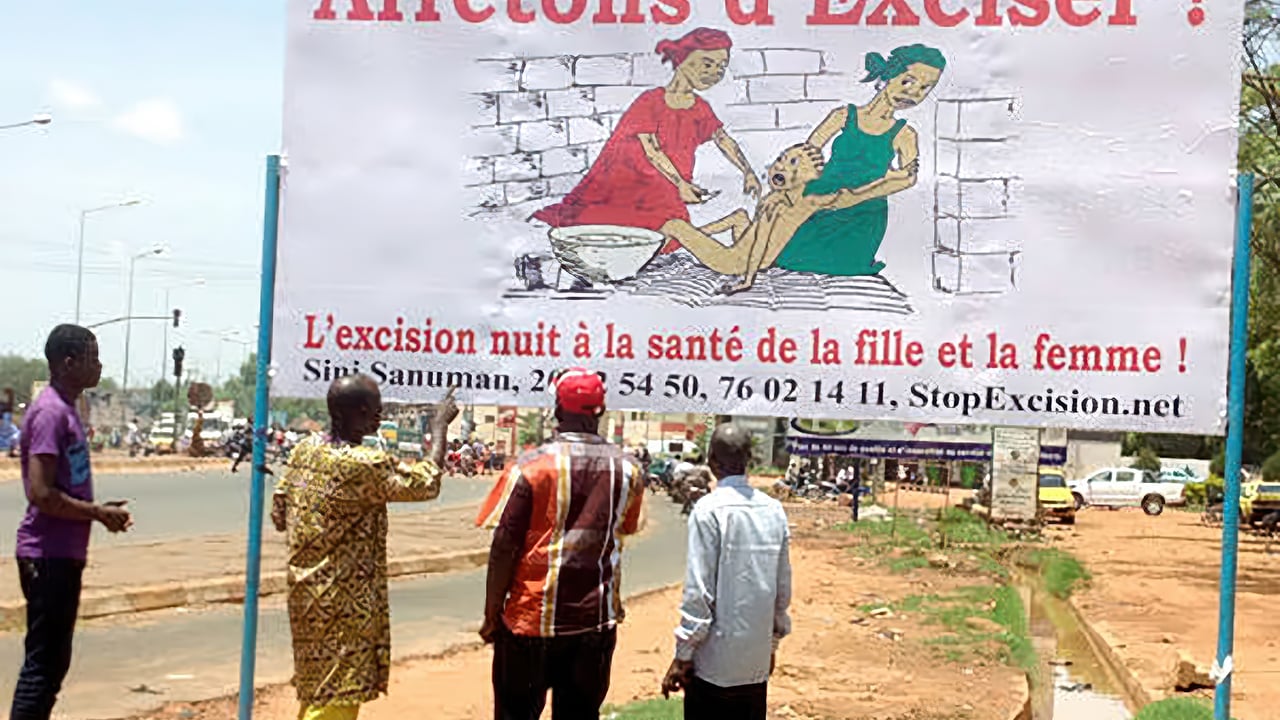
The practice of FGM remains widespread across various communities in Mali, despite persistent efforts by national and international organizations to eradicate it. Public awareness campaigns, like the one depicted on billboards seen across the nation, play a crucial role in highlighting the severe health and human rights implications of excision. However, these campaigns often encounter deeply rooted cultural and traditional beliefs, making broad societal change a gradual and challenging process.
President Goïta’s approach to containment
President Assimi Goïta’s administration faces the formidable task of addressing this issue without alienating significant portions of the Malian population. His strategy appears to center on containing the debate, aiming to foster dialogue and awareness while carefully managing potential social frictions. This involves a nuanced approach that seeks to balance public health concerns and human rights advocacy with respect for traditional customs, even as calls for legislative action grow stronger.
The ongoing effort to confront FGM in Mali underscores a broader commitment to safeguarding women’s health and dignity, a goal that requires sustained engagement from all levels of government and society. The administration’s navigation of this critical issue will undoubtedly shape future public health and human rights initiatives across the country.