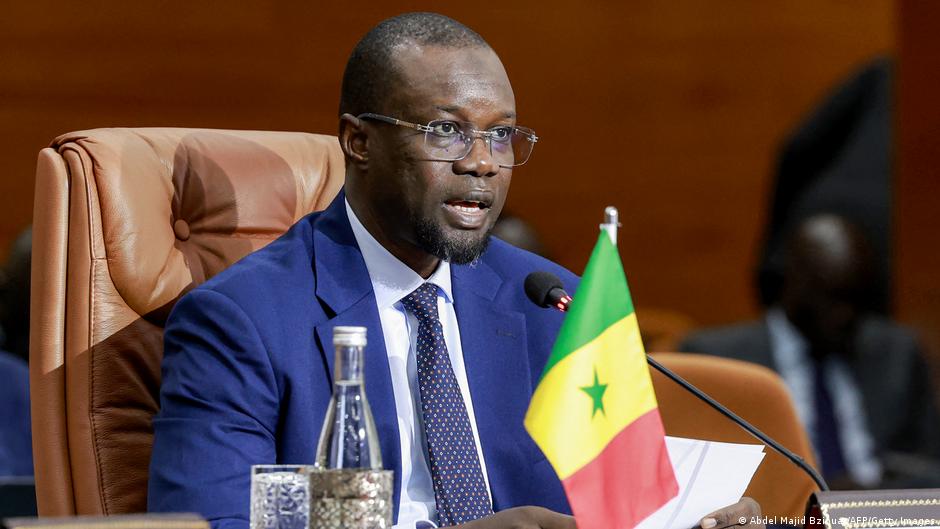
In Senegal’s evolving political landscape, openly criticizing Ousmane Sonko has become a daunting task. The growing influence of his supporters on social media, known for their uncompromising stance, has created a climate of fear among those who dare to voice dissent. Civil society leaders and journalists have expressed concerns over the escalating atmosphere of intimidation gripping the nation.
Critics of Sonko often face relentless smear campaigns online, orchestrated by the most fervent members of his party, Pastef. These digital attacks have fostered a culture of self-censorship, with individuals fearing both virtual and physical repercussions for speaking out against him.
intimidation tactics extend to media and judiciary
Shortly after assuming office as Prime Minister in early April 2024, Sonko issued a stern warning to the media, declaring, “We will no longer tolerate unchecked reporting that smears individuals under the guise of press freedom, without credible sources.”
His criticism extends beyond the press. Sonko has repeatedly questioned the integrity of Senegal’s judicial system. In November 2025, during a public address, he accused certain magistrates of obstructing financial investigations, perpetuating what he describes as the corrupt “system” he has long opposed. These remarks sparked outrage among legal professionals.
setbacks for women’s rights under the new administration
Women’s rights advocates have also raised alarms about a regression in protections under Sonko’s leadership. Despite Senegal’s 2010 parity law, which mandates gender equality in political representation, its implementation has faltered. Ossama Monique Sagna, a prominent Senegalese feminist activist, highlights this issue.
“The current government has fewer female ministers than its predecessor under Macky Sall. This is a clear step backward in women’s political representation,” she states. Under Macky Sall’s final cabinet, seven women held ministerial positions, whereas Sonko’s administration, before his recent dismissal, included only four—representing roughly 13% of the cabinet. This decline has sparked widespread criticism and disappointment.
Sagna further emphasizes that structural progress remains stagnant. “The Family Code reform, which continues to uphold discriminatory provisions against women, remains unresolved. The effective application of the Maputo Protocol, particularly regarding reproductive rights and protection against gender-based violence, is still lacking. Feminicides and gender-based violence are on the rise, with little decisive action from authorities.”
In 2025 alone, Senegal recorded approximately 18 feminicides, underscoring the urgent need for systemic change.