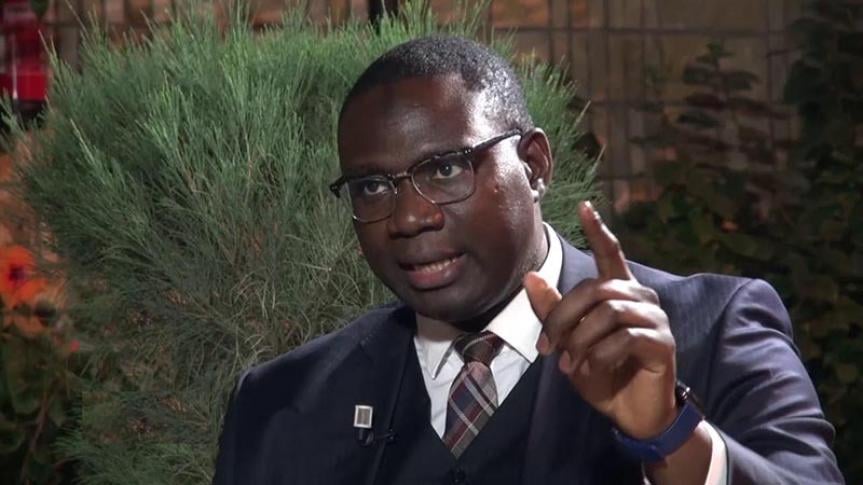
Senegal’s political landscape shifts as Moussa Balla Fofana departs PASTEF
In a bold political maneuver, Moussa Balla Fofana, a prominent figure in Senegal’s government, has stepped away from the PASTEF alliance while retaining his ministerial position. This decision marks a significant strategic repositioning within the nation’s evolving political environment. The move underscores a deliberate separation between party affiliation and governmental duties, raising questions about the future stability of Senegal’s institutional framework.
The timing of this departure coincides with a period of heightened political activity in Senegal, where alliances and realignments are reshaping the power dynamics. By distancing himself from PASTEF, Moussa Balla Fofana has positioned himself as an independent voice within the government, a move that could have far-reaching implications for both the ruling party and the opposition.
What drives a minister to leave PASTEF while keeping their post?
The decision to leave a political party while maintaining a ministerial role is not without precedent, but it remains a rare and calculated choice. Observers suggest that this separation may reflect broader tensions within PASTEF, or alternatively, a strategic effort to maintain influence outside the party’s constraints. Whatever the motivation, Moussa Balla Fofana’s actions signal a pivotal moment in Senegal’s political narrative.
The implications for Senegal’s political stability
This move raises critical questions about the cohesion of Senegal’s government and the potential for shifting alliances. As the nation navigates a period of political transformation, the departure of a key figure like Moussa Balla Fofana could either stabilize or destabilize the current administration. The decision to retain his ministerial role while leaving PASTEF suggests a calculated balance between personal ambition and institutional responsibility.
With Senegal’s political landscape in flux, this development is likely to generate significant debate among analysts, politicians, and the public. The long-term impact on governance and party dynamics will depend on how other key figures respond to this shift and whether it triggers a broader realignment within the government.