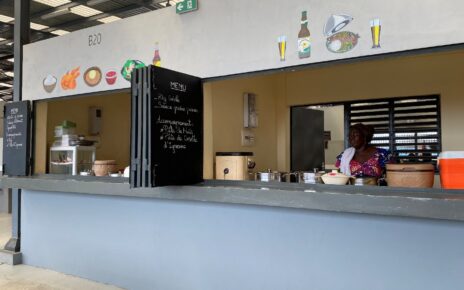
Surviving on 2,000 francs CFA each day—that’s the harsh reality facing countless families in Chad. For households of five to six people, this amounts to a meager 375 francs per person. What does that mean for a typical Chadian meal? The plate gets emptied of protein first, followed by vegetables. Families resort to eating whatever they can find, just to endure. Balanced nutrition becomes an impossible dream, and children grow up without the vital nutrients they need.
The weight of this crisis is felt most acutely by women, who shoulder the responsibility of managing the household. Remadji Ngaba, a sociologist, emphasizes that when economic hardship strikes, women are the first to feel the burden. Their struggles ripple through the entire family, leaving no one untouched.
Every trip to the market is a reminder of the relentless price hikes. While some may dismiss these complaints as exaggeration, the truth is far more grim. Markets have transformed into spaces of daily suffering. Authorities, despite intermittent interventions, have failed to implement sustainable price controls. As Ngaba puts it, “After every temporary fix, the situation snaps back to where it started. Nothing changes.“
Chad’s untapped potential and the hunger paradox
Despite boasting approximately 33 million hectares of arable land across its vast 1.28 million km², Chad grapples with food insecurity. The high cost of living disproportionately impacts urban areas, where everything comes at a price. Yet rural communities are not spared either. Farmers and herders face daily threats—crops trampled by livestock, lack of legal recourse, and relentless pressure to abandon their lands.
“We cannot all live in N’Djamena,” warns Ngaba. “It’s not safe, and the infrastructure simply can’t support everyone.” The exodus from rural areas is a direct consequence of these challenges. Meanwhile, clashes between farmers and herders disrupt local production, which could otherwise help stabilize food prices in cities.
Stagnant wages and soaring costs
The minimum wage, capped at 60,000 francs CFA since 2011, has failed to keep pace with inflation. Today, even a decent room in N’Djamena costs between 20,000 to 25,000 francs. Rent, utilities, and other essential expenses devour most of a salary, leaving little for food or savings.
Solutions to ease the burden
Ngaba proposes a multi-pronged approach to tackle this crisis. First, he calls for subsidies to boost agricultural projects, ensuring farmers have the resources to cultivate and sustain their livelihoods. Second, he highlights the need to better harness water resources, a critical yet underutilized asset. Finally, he stresses the importance of regular price monitoring on markets to curb exploitation and ensure fair pricing.
“Our leaders hunger for solutions just like the people they govern,” he remarks. “They travel, observe how other nations manage daily life for their citizens, and return with ideas. Now, they must act.“