- Security
Beijing has called upon the global community to confront the fundamental drivers of the ongoing conflict in the eastern Democratic Republic of Congo (DRC). It asserts that the illicit extraction of natural resources stands as a primary contributor to the persistent instability across the Great Lakes region.
Addressing the United Nations Security Council, Chinese Ambassador and Permanent Representative Fu Cong highlighted the continued conflict in eastern DRC and the resurgence of the Ebola epidemic, which further exacerbates the security and humanitarian crisis within the Democratic Republic of Congo. He emphasized that the international community must collaborate urgently to reverse this escalating trend.
The Chinese diplomat subsequently stressed the imperative of addressing the economic underpinnings of the conflict.
“The deep-seated causes of this conflict demand swift and comprehensive action. The Democratic Republic of Congo’s vast natural resources, which should underpin national development, are instead being plundered and trafficked by armed groups, thereby fueling the conflict,” the Chinese representative to the UN declared on Friday, June 26.
Beijing views improved governance within the mining sector as a crucial mechanism for peace restoration. In this regard, Fu Cong affirmed, “China stands with regional nations in their endeavors to forge transparent and inclusive mining cooperation, aiming to break the cycle of illicit trade.”
The Chinese representative further appealed to the Security Council to bolster its backing for regional initiatives. He suggested that “the Council ought to support regional organizations and mechanisms in enhancing transparency and traceability concerning the export of these resources.”
The ambassador urged external actors to embrace a more collaborative approach.
“Major powers from outside the region must refrain from leveraging natural resources as bargaining chips in resolving regional issues. We must foster open cooperation, free from zero-sum thinking, to ensure that local populations genuinely benefit from the development and utilization of their natural wealth,” he underscored.
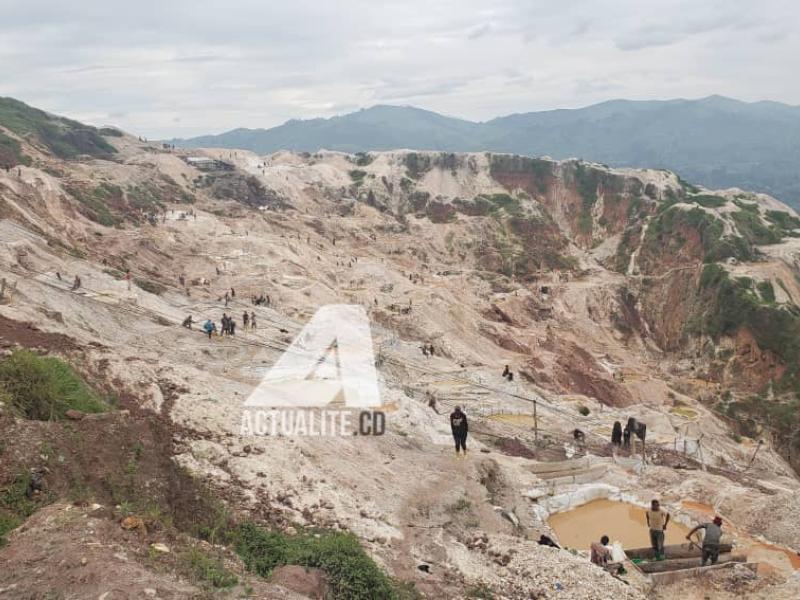
The protracted conflict and instability plaguing eastern Democratic Republic of Congo for over three decades are intrinsically linked to economic exploitation. Strategic mining sites, particularly Rubaya, are under the control of armed groups, including the AFC/M23, fueling an illicit trade in minerals to neighboring nations. Congolese authorities contend that this situation deprives the state of substantial tax revenues and significantly impedes economic progress in the eastern provinces. Kinshasa has consistently maintained that the conflict is fundamentally an “economic war” orchestrated by Rwanda through what it terms “proxies,” an allegation Kigali consistently denies.
In a bid to foster a resolution, the United States brokered the Washington Agreement between the DRC and Rwanda. This accord was designed to address both security concerns and economic factors tied to natural resource exploitation. However, its implementation has yet to yield the anticipated outcomes. Regarding several provisions, Kinshasa and Kigali routinely accuse each other of failing to uphold commitments, with each party interpreting specific clauses of the agreement differently.
A similar lack of tangible progress is evident within the Doha process, facilitated by the State of Qatar, which aims to promote direct dialogue between the Congolese government and the AFC/M23. Despite numerous rounds of discussions, concrete breakthroughs remain scarce, and the security situation on the ground largely persists without change.

Related Articles