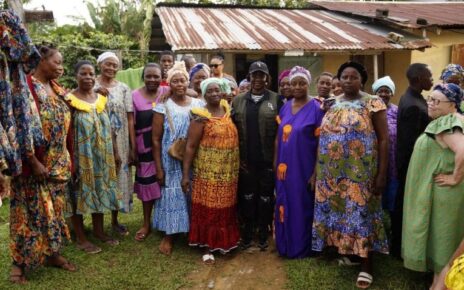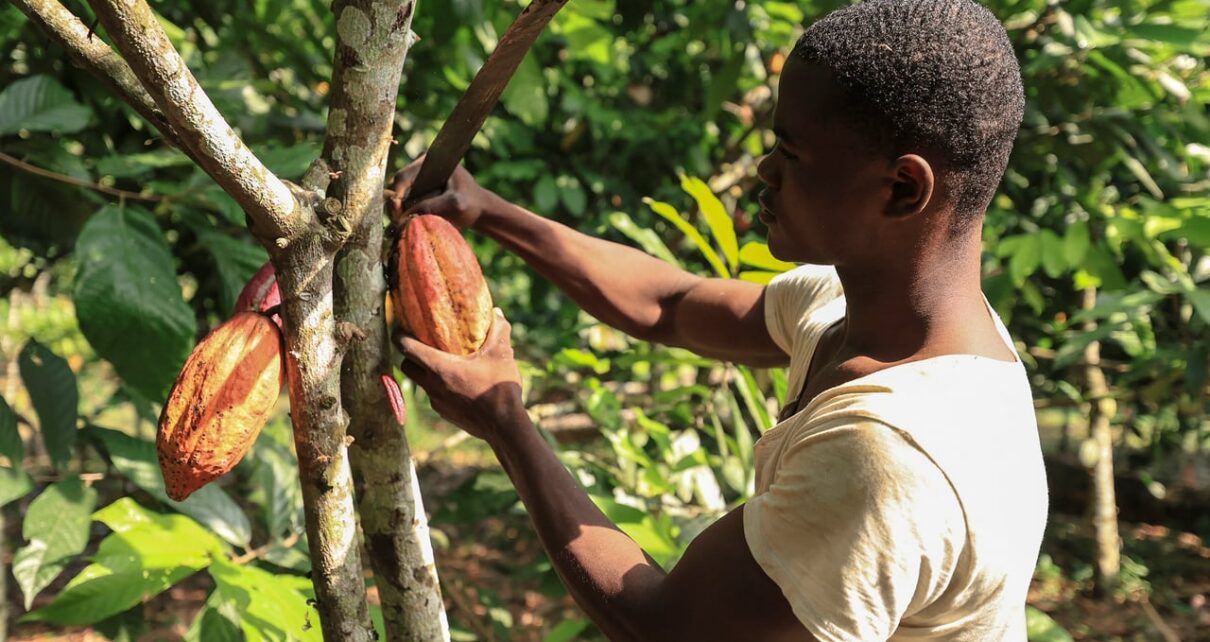

Farmers in Cameroon’s cocoa sector are navigating a turbulent landscape marked by fluctuating global prices, climate pressures, and logistical hurdles, yet they remain determined to secure a sustainable future for their crops. In Ebebda, a key cocoa-growing region, families are adapting strategies to overcome these obstacles and revitalize their livelihoods.
Why Cameroon’s cocoa farmers are facing tough times
Cocoa production in Cameroon, a top African exporter, is grappling with multiple challenges. Declining soil fertility, exacerbated by decades of intensive farming, has reduced yields across many plantations. Meanwhile, erratic weather patterns, including prolonged dry spells, are disrupting traditional growing cycles. The global cocoa market adds another layer of difficulty, with prices swinging unpredictably and often failing to cover production costs.
Compounding these issues are rising operational costs—fertilizers, labor, and transport have become significantly more expensive. Many smallholders, who form the backbone of the sector, struggle to invest in modern techniques or diversify their income streams. Without intervention, their resilience is being tested like never before.
Efforts to revitalize Cameroon’s cocoa industry
Despite the headwinds, efforts are underway to breathe new life into the sector. Government initiatives now promote climate-smart agriculture, training farmers in sustainable practices like agroforestry and soil conservation. These methods not only restore degraded lands but also enhance resilience against climate shocks.
Collaborations between cooperatives and international buyers are also gaining ground. By securing fair-trade certifications, smallholder groups are accessing premium markets where consumers prioritize ethically sourced cocoa. Such partnerships provide financial stability and encourage the adoption of better farming standards.
Innovation plays a pivotal role in this transformation. New high-yield, disease-resistant cocoa varieties are being introduced to boost productivity. When combined with improved post-harvest handling, these innovations can significantly elevate the quality of Cameroon’s cocoa, making it more competitive on the global stage.
Challenges in accessing financing and markets
Accessing capital remains a major roadblock for cocoa farmers. Banks and financial institutions often view agriculture as high-risk, leaving producers with limited options to fund their operations. Microfinance schemes tailored for rural communities are emerging as a solution, offering flexible loans and financial literacy programs.
Market accessibility is another critical concern. Many farmers rely on middlemen who dictate prices, leaving little room for profit. Strengthening direct trade links with chocolate manufacturers and leveraging digital platforms could help farmers negotiate better terms and secure more transparent pricing.
How consumers can support Cameroon’s cocoa farmers
Conscious consumer choices can drive meaningful change. Opting for products labeled fair trade, organic, or direct trade ensures that a fairer share of profits reaches the farmers. These certifications not only guarantee better wages but also fund community development projects in cocoa-growing areas.
Educating oneself about the cocoa supply chain fosters greater awareness. When buyers understand the journey from bean to bar, they’re more likely to support brands committed to ethical sourcing and sustainability. This ripple effect can empower farmers to adopt eco-friendly practices and improve their economic prospects.