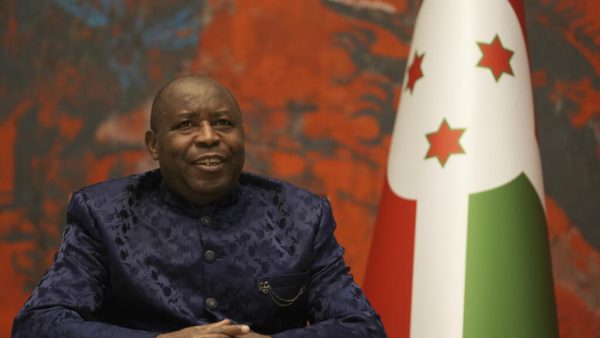
With the Democratic Republic of the Congo (DRC) embroiled in deep political and institutional turmoil, a high-level delegation of opposition figures and religious leaders has arrived in Bujumbura. The group, representing the Article 64 coalition (C64), the National Episcopal Conference of the Congo (CENCO), and the Church of Christ in Congo (ECC), is participating in urgent political consultations convened by Burundian President Évariste Ndayishimiye, who also holds the rotating presidency of the African Union.
The timing of this diplomatic effort is critical. The coalition had planned a major national march to defend constitutional order on July 8, but rising tensions compelled organizers to postpone the demonstration to July 22—a decision announced following these high-stakes talks.
united voices: opposition and religious leaders at the negotiating table
The consultations, structured as a series of closed-door meetings, bring together key figures from the C64 alliance alongside prominent faith-based representatives. These include leaders from CENCO, ECC, and the Religious Platform, which encompasses revivalist churches. The agenda includes separate discussions with religious leaders, followed by a collective audience with the C64 leadership, culminating in a plenary session with President Ndayishimiye.
« The delegation includes priests, pastors, and revivalist church representatives like Ejiba Yamampia. The entire C64 coalition is present, ready to engage in constructive dialogue. »
One of the coalition’s non-negotiable demands was to be received as a unified body—not in fragmented discussions. That condition was met, reinforcing the gravity of the moment.
from june 8 to july 22: a strategic delay in protest plans
The postponement of the July 8 march was directly tied to these diplomatic overtures. In a joint statement, opposition figures including Martin Fayulu, Moïse Katumbi, Jean-Marc Kabund, Delly Sesanga, and Augustin Matata Ponyo cited their acceptance of President Ndayishimiye’s invitation as an act of responsibility. They emphasized that any measure reinforcing constitutional order and democratic stability in the DRC warranted serious consideration.
The coalition has vowed to use this platform to articulate—with unwavering clarity—the urgent concerns of the Congolese people. Their goal is to highlight risks to democracy and national institutions, while advocating for systemic safeguards against further instability.
african union steps up: diplomacy takes center stage in Kinshasa
This mediation effort aligns with President Ndayishimiye’s recent state visit to Kinshasa, where he met with President Félix Tshisekedi. During that trip, the two leaders underscored the imperative of preserving institutional stability and national unity amid persistent security challenges in eastern DRC.
Ndayishimiye, as African Union chair, has repeatedly urged Congolese political and social actors to prioritize dialogue over confrontation. He has also commended the openness demonstrated by DRC authorities to collaborative solutions during these turbulent times.
As the Bujumbura consultations draw to a close, all eyes are now set on July 22. On that date, the C64 coalition plans to resume its national march, reaffirming its commitment to defending constitutional order and presenting a formal memorandum to President Tshisekedi.