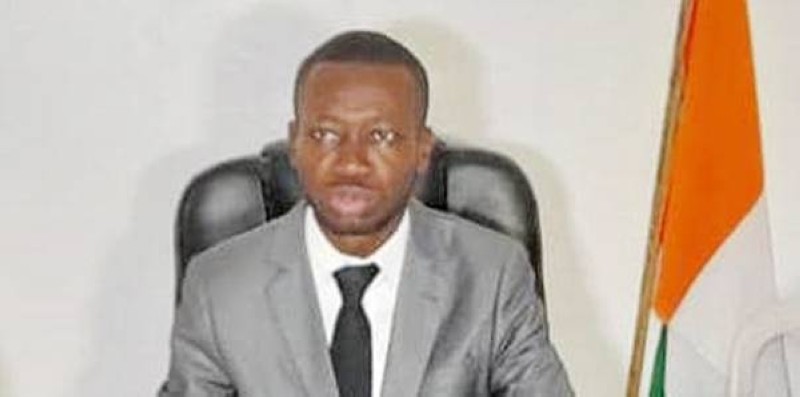
Jean-Martial N’Guessan, Chair of the 2PFJ Board, has urged authorities in Côte d’Ivoire to prioritize an inclusive, participatory, and constructive political dialogue as the nation embarks on critical electoral reforms. The call comes in a formal statement delivered to decision-makers on Tuesday, July 21, 2026, emphasizing the need for sustainable governance improvements that reflect the nation’s diverse voices.
Why a national conversation on electoral reform matters
The 2PFJ underlines that Côte d’Ivoire’s electoral system must evolve beyond procedural adjustments. Socio-political tensions have left lasting scars on communities, and a transparent, inclusive reform process is essential to rebuild trust and ensure lasting stability. The organization insists that any changes to electoral governance must be rooted in national consensus rather than imposed decisions.
Recommendations for a transparent electoral governance framework
The platform proposes the creation of parity-based technical commissions, bringing together representatives from the government, opposition parties, and civil society. These groups would be tasked with defining the mandates, financial autonomy, and independence of new electoral bodies—or any alternative institutional structure adopted.
Key demands include:
- Consensus-driven electoral institutions: Future governing bodies must emerge from broad national agreement to ensure legitimacy among all stakeholders.
- Release of political detainees and safe return of exiles: Restoring confidence requires addressing unresolved political cases and facilitating the return of citizens forced into exile.
- Inclusive representation in electoral bodies: Women and youth organizations must have meaningful representation to foster a culture of civic engagement and peaceful oversight.
Learning from past challenges to build a stronger democracy
The 2PFJ acknowledges that Côte d’Ivoire’s electoral history has been turbulent, yet it highlights the nation’s resilience in overcoming divisions when prioritizing the collective good. Electoral reform is not just a technical process—it’s a unifying opportunity to strengthen democracy, peace, and economic progress for all Ivoirians.
Government’s recent steps toward reform
Following the dissolution of the former Independent Electoral Commission (CEI), the Ivorian government hosted a major working session on June 22, 2026, led by Prime Minister Robert Beugré Mambé. This gathering, described as an enhanced information session, brought together political parties, civil society groups, and other stakeholders to explore pathways for sustainable electoral reform.