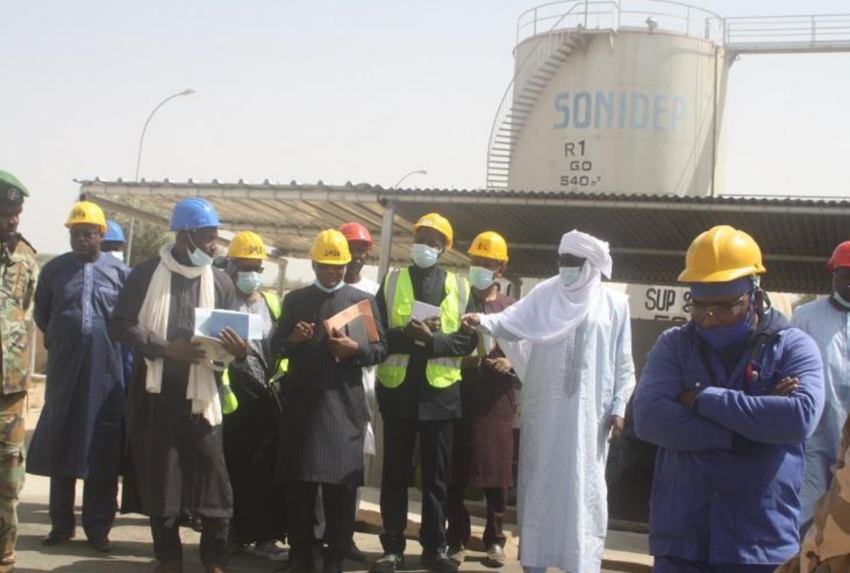
When a routine inspection of Niger’s state-owned oil company uncovered irregularities totaling nearly 7 billion CFA francs in just two files, the discovery sent shockwaves through the corridors of power. The implications are staggering: if the tip of the iceberg reveals such staggering misappropriation, what might the remaining 100 files—and their 7 billion—hold? The Sonidep affair has become far more than a financial scandal; it has exposed deep fractures in governance, revealing how political networks and personal interests can derail efforts for transparency in Niger’s most critical sector.
Seven billion CFA francs: a sum that threatens Niger’s stability
At the heart of this crisis is the Société nigérienne des produits pétroliers (SONIDEP), a cornerstone of Niger’s economy and a symbol of the country’s resource management. In early 2023, an audit by the Inspection générale d’État (IGE), led by General Salifou Mody, began to scrutinize financial records. Within days, the inspectors uncovered irregularities amounting to at least 7 billion CFA francs—700 million USD—in just two files. That sum represents nearly 0.7% of Niger’s annual GDP, a staggering figure for a nation where public infrastructure and essential services are chronically underfunded.
But this is only the beginning. With over 100 additional files yet to be examined, the potential scale of mismanagement is astronomical. The question now haunts every citizen: if two random files can hide billions, what lies buried in the remaining documents? The audit was meant to shine a light on financial wrongdoing, but powerful interests have ensured the shadow remains long and impenetrable.
Political interference: the audit that dared to bite the hand that feeds
The IGE’s mission was not supposed to be controversial. It was an administrative procedure, an effort to ensure public funds were used appropriately. Yet the moment the inspectors’ probe began to encroach upon sensitive interests—especially those of individuals close to the regime—the operation was abruptly halted. According to a source with direct knowledge of the operation, General Abdourahamane Tiani, Niger’s head of state, personally intervened to suspend the audit, citing concerns over the integrity of certain government officials accused in the findings.
The timing is impossible to ignore: why suspend a transparency mission just as it begins to uncover multi-billion-franc irregularities? The move raises serious questions about Niger’s official stance on corruption. If the fight against financial malfeasance is to be credible, it cannot stop at the door of those connected to power. Yet, in this case, it appears that the audit was halted precisely when the figures began to implicate insiders. The beneficiaries of this interference are clear: individuals whose financial networks are now threatened by full transparency. The cost of this interference is not just financial—it is one of democracy, credibility, and trust.
Issaka Gado: diplomacy as a shield for a power player
Amid the turbulence of the SONIDEP scandal, one name has emerged with striking timing: Issaka Gado, former chairman of the board of the SORAZ refinery and brother of former Prime Minister Ali Mahamane Lamine Zeine. His sudden reassignment to a diplomatic post in Djibouti has sent ripples through the political landscape. Officially framed as a routine appointment, the timing raises eyebrows. The SONIDEP audit and the scrutiny of oil sector governance intensified just as Gado’s transfer was announced. Is this a coincidence, or a carefully timed move to sidestep accountability?
Gado’s history within the oil sector makes the question more pressing. As chairman of SORAZ’s board, he oversaw operations that directly intersect with SONIDEP’s finances. His deep knowledge of the SORAZ-SONIDEP relationship places him at the center of the audit’s most explosive revelations. The timing of his departure—amid the very investigations he once advocated for—paints a picture of calculated reallocation. While no direct evidence links this move to the audit’s suspension, the optics are damning: a key player in the oil sector is removed from the scene just as the stakes are rising.
A past audit, a grim precedent, and a warning unheeded
The current scandal is not an isolated incident. In 2021, while serving as SORAZ’s chairman, Gado launched an internal audit into the relationship between SORAZ and SONIDEP. That initiative quickly spiraled into chaos. According to insider accounts, the minister overseeing petroleum at the time—Barké—was detained for nearly a year, and Gado himself spent four months in custody. This episode serves as a grim reminder: when oil sector audits begin to uncover inconvenient truths, retaliation is swift and severe. The lesson should have been learned: oil governance is not just an economic issue; it is a political minefield.
The revolving door of audits: why do oversight efforts fail before they begin?
This is the third high-profile audit related to SORAZ and SONIDEP in as many years—and the third to collapse under unexplained pressure. In 2022, Dr. Sahabi Oumarou announced a renewed audit into the same financial flows, only to be removed from his position shortly afterward. His removal, like the suspension of the IGE’s mission, was accompanied by no official explanation. Was he dismissed for pursuing transparency? Was his removal a message to others considering similar investigations? The pattern is unmistakable: efforts to audit Niger’s oil sector are consistently derailed before they can bear fruit. The question lingers: who benefits from these failures, and what do they stand to lose if the truth comes to light?
Mazars and the promise of independence: a delayed dream
In April 2023, Niger’s petroleum minister at the time, Tini, took a bold step toward transparency. He proposed hiring Mazars, an international accounting firm, to conduct an independent audit of the oil sector. The move was heralded as a breakthrough—a way to ensure impartial oversight in an arena long marred by accusations of cronyism. Yet, nearly eight months after that proposal was made, the Mazars audit remains a paper promise. Contracts have not been signed, timelines are unmet, and the minister himself has faced temporary removal from office. Why, in a sector plagued by financial irregularities, would an accredited international firm’s engagement be stalled for so long? The delay is not accidental; it is a reflection of the resistance to true accountability. If the international audit were to proceed, the veil over Niger’s oil sector would lift—something certain interests appear determined to prevent.
The UN corridors: a new battleground for oil politics
The SONIDEP scandal has now extended its reach beyond Niger’s borders, entering the opaque world of international diplomacy. According to a recent statement by Minister Aliou Daouda, “Within the corridors of UN organizations, there are individuals who still advocate for the former regime and are willing to share confidential information.” This comment takes on renewed significance with Gado’s transfer to Djibouti. Are these diplomatic posts serving as diplomatic safe havens for officials entangled in financial scandals? Are international organizations becoming new staging grounds for old power struggles? While no direct links have been confirmed between Gado’s appointment and the audit’s suspension, the timing is too precise to dismiss. The oil sector is not just a domestic issue; it is a geopolitical one, and the stakes are rising.
Economic stakes: why this affair matters beyond the headlines
Beyond the political intrigue, the Sonidep affair strikes at the heart of Niger’s economic stability. The two companies at the center of the scandal—SONIDEP and SORAZ—are vital to the nation’s energy security and budget revenue. Any mismanagement, embezzlement, or deliberate opacity in their operations directly impacts public services, infrastructure projects, and foreign investment. When billions vanish from state coffers without explanation, it is not just a scandal—it is a betrayal of the people who depend on those funds for schools, hospitals, and roads.
The 7 billion CFA francs uncovered so far are only the beginning. Niger’s citizens deserve more than silence. They deserve answers: Who authorized these expenditures? Who profited? And why do audits into these operations keep failing before they can be completed? The credibility of Niger’s governance is on trial. If the regime cannot ensure transparency in its most lucrative sector, how can it claim legitimacy in any area?
This affair could define Niger’s trajectory for years to come—not because it involves billions, but because it reveals the true cost of political protectionism. When institutions fail to hold their own accountable, the entire nation pays the price.
What lies ahead: unanswered questions and mounting pressure
The SONIDEP scandal will not fade quietly. With 7 billion CFA francs already acknowledged, the pressure on authorities to explain their actions is intensifying. The public, civil society, and international partners are demanding clarity. Yet the regime’s response has been silence, deflection, and interference. The questions multiply:
- Who ordered the suspension of the IGE audit?
- What financial networks are threatened by full transparency?
- Why have multiple audits into SORAZ and SONIDEP failed before completion?
- Will the Mazars audit ever go ahead—and if not, who is blocking it?
- What role do international posts play in shielding officials from accountability?
One thing is certain: the truth will not remain buried forever. Whether it emerges through persistent investigative journalism, whistleblower disclosures, or international scrutiny, the fallout of this scandal will be seismic. For Niger, the stakes could not be higher. The nation stands at a crossroads—will it embrace transparency and accountability, or will the shadow of financial malfeasance continue to darken its path forward?
One thing is clear: the 7 billion CFA francs are only the beginning. The real scandal lies in the power structures that allow such figures to disappear—and the silence that follows.