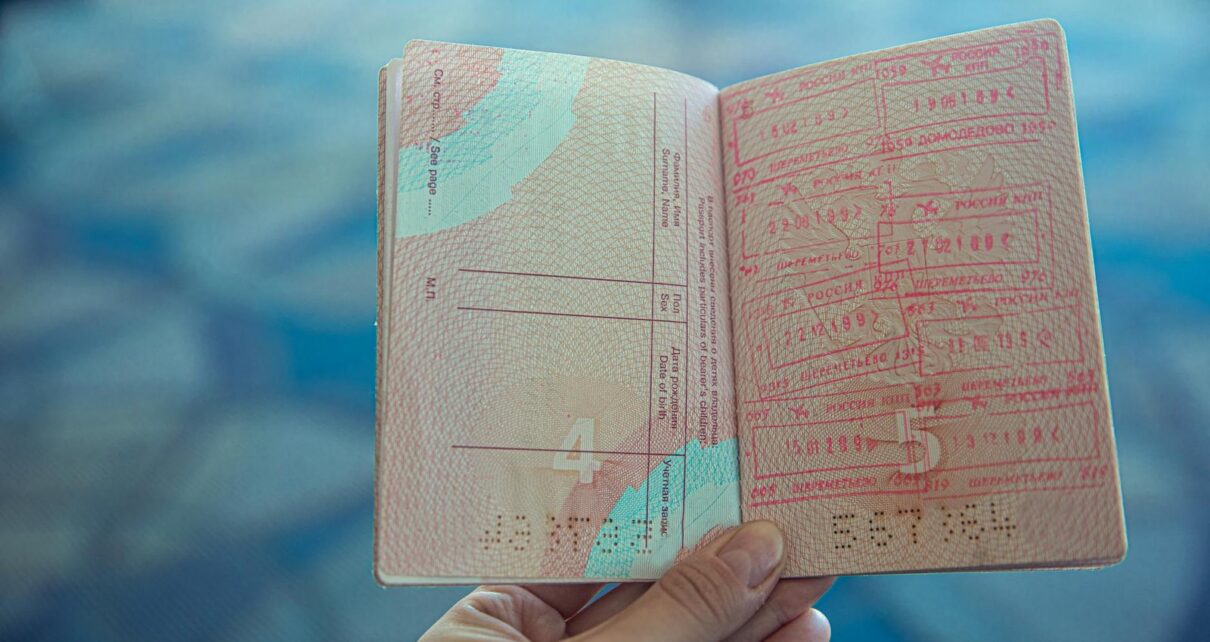
The Urban Security Directorate of Dakar has successfully exposed an elaborate network involved in the falsification of visa approval letters. This operation brings to light the increasing sophistication of irregular immigration channels that utilize Senegal as a transit point. Following a targeted intervention by law enforcement in the Senegalese capital, an individual implicated in this circuit, identified by investigators as a Chinese-linked operation, was apprehended. This case, widely reported by local media, once again highlights the ongoing consular vulnerabilities within the West African sub-region.
Sophisticated fake consular document ring exposed in Dakar
Details released publicly indicate that investigations conducted by the Urban Security Directorate confirmed the existence of a well-structured system dedicated to producing counterfeit approval letters. These documents are typically a prerequisite for visa issuance by certain diplomatic missions. When genuine, these crucial papers are essential for consular authorities to process applications and represent a highly sought-after administrative key for individuals seeking to travel abroad.
The arrest of a suspect, believed to be a key operational link within the network, followed several weeks of intensive surveillance. Investigators are now focused on identifying the masterminds and ultimate beneficiaries of this illicit scheme. Police judicial services are actively pursuing leads suggesting a transnational network, potentially involving intermediaries based outside of Senegal.
Senegal: a west african hub vulnerable to document trafficking
For many years, Dakar has held a pivotal position as a migratory and consular crossroads in West Africa. The city’s significant number of diplomatic representations, combined with frequent air connections to Europe, Asia, and the Middle East, makes it a strategic location for both legitimate aspiring emigrants and clandestine networks. In recent years, Senegalese authorities have escalated efforts to dismantle operations producing fraudulent documents, including passports, visas, and civil status papers.
The Directorate of Foreigners Police and Travel Documents (DPETV) and the Urban Security Directorate frequently collaborate on such cases. Investigations have revealed that Chinese, African, and Middle Eastern networks employ increasingly advanced printing techniques, sometimes aided by internal complicity within administrative bodies or private service providers. This technological advancement in forgery presents a significant challenge for detection efforts by both consular services and law enforcement agencies.
Administrative sovereignty and bilateral cooperation: a critical challenge
Beyond the legal proceedings, this case raises important questions about the integrity of consular documentation chains. Destination countries for visa applications—whether European, Asian, or Gulf states—are demanding greater assurances regarding the authenticity of submitted supporting documents. Every instance of documentary fraud ultimately erodes trust in credentials issued by Senegalese administrations and can lead to stricter procedures for all honest applicants.
The “Chinese dimension” of this network, as characterized by investigators, further illustrates the growing integration of Asian economic communities within Dakar’s commercial landscape. Senegalese authorities are committed to distinguishing legitimate economic activities, which contribute to investment and employment, from criminal activities that could tarnish the country’s image. Bilateral judicial cooperation may be sought if the case’s ramifications extend beyond national borders.
The apprehended suspect is expected to be presented to the Dakar prosecutor’s office following their detention. Common charges in such cases typically include criminal association, forgery and use of forged public documents, and aiding irregular immigration. Further investigations will determine the true scope of the network and the volume of fraudulent documents potentially circulated on the parallel visa market.
Pour aller plus loin
Mamadou Sangaré, premier Malien lauréat du Prix Marc-Vivien Foé · House of Challenge : la télé-réalité africaine qui captive Haïti · Hajj 2026 : le Sénégal déploie « Tariq Maka » et des pôles régionaux