The latest violent attack on the Agadez-Arlit highway in northern Niger has left at least 11 people dead, including civilians and security personnel, and underscores the growing threat to regional stability and commerce. The assault, which unfolded near Agadez on October 20, 2026, has thrown the region’s critical transport corridor into chaos, forcing families, businesses, and travelers onto a dangerous tightrope of survival and uncertainty.
Real-world cost of insecurity: lives lost and fear compounded
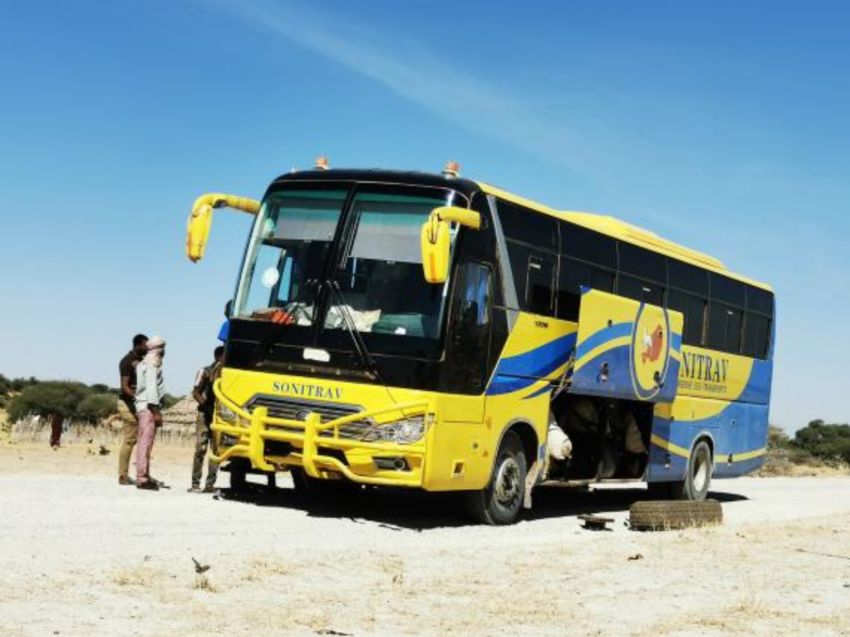
The attack targeted passenger buses traveling along a route that serves as a lifeline for northern Niger’s economy. According to preliminary reports, armed assailants opened fire on three vehicles, triggering intense clashes with security forces already on board. The swift escalation resulted in a provisional death toll of 11, including 10 civilians and one member of the Nigerien armed forces, with multiple severe injuries reported.
The human toll goes far beyond the numbers. Families are left grieving lost relatives, many of whom were breadwinners or students heading to school. Survivors and witnesses describe a scene of panic as bullets rained down on the convoy. One local transport operator, who asked not to be named, revealed that his cousin was among those killed while traveling to Arlit for a mining-related job interview. “She was supposed to start next month,” he said. “Now there is only silence.”
For residents of Agadez and Arlit, the highway is not just a road — it is the spine of daily life. Without safe passage, access to healthcare, markets, education, and employment becomes severely restricted. Many locals are now reconsidering even essential journeys, and small businesses that rely on goods transported across the route face rising costs and delayed deliveries.
Why the Agadez-Arlit highway is a flashpoint for unrest
The Agadez-Arlit axis is one of the most critical trade routes in northern Niger, linking a historic commercial hub with a uranium-rich mining town. Its strategic importance makes it a frequent target for criminal networks, armed groups, and opportunistic militants. The sheer size of the Sahara and the vast, sparsely populated terrain make it difficult for security forces to maintain a constant presence.
The recent ambush occurred in an area already known for sporadic violence. Bordered by unstable regions in southern Libya and central Mali, northern Niger remains a transit zone for illicit trafficking and militant activity. The lack of alternative routes means travelers and freight carriers have little choice but to use this dangerous corridor.
Transport unions have raised concerns over insufficient protection. “We have asked for military escorts on long-distance buses for years,” said a representative from the Agadez Transport Association. “But resources are stretched thin. How can we guarantee safety when the road itself is a target?”
What’s next for travel safety on Niger’s roads?
This attack, still shrouded in uncertainty, has reignited demands for stronger security measures and transparent communication from authorities. While details of the assailants and their motives remain unconfirmed, the incident has exposed critical vulnerabilities in the protection of civilians and infrastructure.
Proposed solutions include:
- Increased military and police patrols along the Agadez-Arlit corridor
- Introduction of real-time communication systems between buses and security bases
- Mandatory safety training and emergency protocols for transport operators
- Public awareness campaigns on safe travel routes and contingency plans
Local leaders are calling for a coordinated response involving central government, regional partners, and community leaders. “This is not just a security issue — it’s an economic and humanitarian crisis,” said a civil society organizer in Agadez. “We cannot afford to lose this road. We must act now.”
The government has yet to release a detailed official statement. Until then, families wait in anguish, businesses assess losses, and travelers wonder if the next bus will be their last.
From tragedy to action: the path forward
The human and economic repercussions of this attack extend far beyond the immediate victims. The Agadez-Arlit highway is not only a road — it is a lifeline for thousands. Its continued use under threat sends a dangerous message: that violence can dictate the pace of life in the Sahel.
Until real improvements in safety are made, the highway will remain a symbol of both resilience and vulnerability. For now, Nigeriens are left with a pressing question: will this tragedy finally force change — or will the road remain a silent witness to more bloodshed?
As the sun sets on the Sahara, the people of northern Niger await answers — and protection.