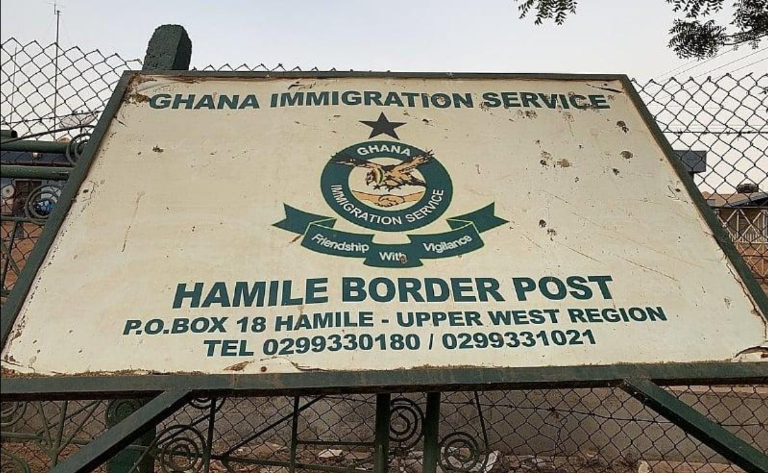
An explosive incident involving a tricycle transporting suspected explosives has claimed multiple lives, including a Ghanaian immigration officer, in the town of Hamile. The blast, which occurred near the Burkina Faso border, has heightened concerns about border security in a region already grappling with Sahelian instability.
Local tragedy underscores regional security risks
The explosion in Hamile, a border town in Ghana’s Upper West Region, has left a trail of destruction, killing several individuals, including a member of the Ghana Immigration Service and critically injuring another security personnel. Early reports suggest the incident occurred during an attempt to intercept a tricycle carrying suspected dynamite.
While the exact circumstances remain under investigation, preliminary accounts indicate the vehicle was traveling on an unauthorized route when security forces attempted to stop it. The pursuit that followed ended in a deadly explosion, devastating the pursuing officers and the occupants of the tricycle.
Border town’s strategic role raises safety concerns
Hamile, located in Ghana’s Upper West Region, is a critical cross-border hub connecting communities and facilitating trade with Burkina Faso. However, its strategic position also makes it vulnerable to security lapses, particularly in monitoring the movement of hazardous materials.
The explosion has exposed the challenges faced by security agencies in controlling unauthorized routes commonly used for smuggling and other illicit activities. These poorly monitored pathways complicate efforts to regulate the transport of dangerous goods, increasing the risk of tragedies like the one in Hamile.
Regional instability amplifies Ghana’s security dilemma
This incident comes at a time when Ghana is on high alert due to the escalating insecurity in neighboring Burkina Faso. The West African nation has been battling a surge in armed group attacks and violent extremism, forcing thousands to flee their homes.
Ghana’s northern regions, particularly those bordering Burkina Faso, have heightened their security measures to prevent spillover violence. However, distinguishing between deliberate attacks and accidental incidents—like the one in Hamile—remains crucial amid rising regional tensions.
As of now, no credible evidence links the explosion to a terrorist group or organized crime syndicate operating across the border. Officials stress the need for thorough investigations before drawing any conclusions.
Urgent need for coordinated border management
The blast in Hamile has reignited debates over Ghana’s border security framework. Preventing such tragedies requires a multi-layered approach, combining stricter enforcement, intelligence-sharing, and community engagement.
Key priorities include:
- Enhancing surveillance along unauthorized routes frequented by smugglers;
- Strengthening collaboration between security agencies and local leaders;
- Educating border communities on identifying and reporting suspicious activities.
Balancing these measures with the economic realities of cross-border trade will be essential to avoid disrupting the livelihoods of those who depend on transnational commerce.
What the investigation will reveal
The aftermath of the explosion has left many questions unanswered. Authorities are working to determine the exact cause of the blast, the origin of the explosives, and whether any criminal networks are involved.
Until the findings are made public, the incident serves as a stark reminder of the ongoing risks at Ghana’s borders. While speculation is tempting, prioritizing factual clarity and definitive action will be vital in preventing future tragedies.
In the interim, the focus remains on supporting the injured, ensuring accountability, and implementing robust measures to safeguard vulnerable border communities.