Market under fire: a day of horror in disputed abyei
At least 73 civilians lost their lives when a drone strike struck the bustling Amiet market in the contested Abyei region, local authorities confirmed. The mass casualty incident unfolded during peak trading hours, targeting a hub that supports livelihoods from both Sudan and South Sudan. With 19 others injured and fires still smoldering, the tragedy has escalated tensions between Juba and Khartoum, with accusations flying over responsibility for the attack.
The strike hit near fuel storage areas, turning rescue efforts into a grim race against flames and toxic smoke. With the death toll expected to rise as authorities sift through the wreckage, the humanitarian toll of this attack extends far beyond the immediate casualties—threatening regional stability and local economies heavily dependent on cross-border trade.
Why was amiet market targeted?
The Amiet market is more than a commercial center; it’s a lifeline. Traders exchange fuel, food, medicine, and building supplies daily, drawing buyers from neighboring communities. Fuel in particular plays a dual role: it powers both civilian life and, in times of conflict, military mobility. Investigators are now scrutinizing whether the strike targeted fuel reserves—potentially drawing civilians into the crossfire—or civilian infrastructure mistaken for a military objective.
Local officials in Abyei have publicly blamed the attack on the Sudanese Armed Forces, citing intelligence and witness accounts. But without independent verification or official acknowledgment from Khartoum, the motives behind the strike remain shrouded in uncertainty. Fuel depots, supply lines, and market structures share proximity—leaving civilian safety hanging in the balance.
South Sudan demands accountability in rare diplomatic move
In a rare and decisive diplomatic step, the South Sudanese government summoned the Sudanese ambassador in Juba to denounce the attack and deliver a formal protest. The message was clear: such violence against unarmed civilians will not go unanswered. Authorities called for restraint and urged Sudan to avoid actions that endanger human life or regional stability.
This move signals more than condemnation. It reflects Juba’s growing concern that the ongoing conflict in Sudan—now raging for over three years—is spilling over into disputed territories like Abyei, threatening both populations and fragile economic ties. With trade flows disrupted and communities displaced, the strike threatens to unravel years of cautious cooperation.
Diplomacy over retaliation: what comes next?
While no official retaliatory measures have been announced, the tone from Juba suggests a measured but firm response. The focus is on securing a credible, independent investigation to determine responsibility and prevent future attacks. South Sudan has long advocated for peaceful resolution of the Abyei dispute, but with civilians bearing the brunt of the violence, patience is wearing thin.
Abeyi’s unresolved status fuels ongoing conflict
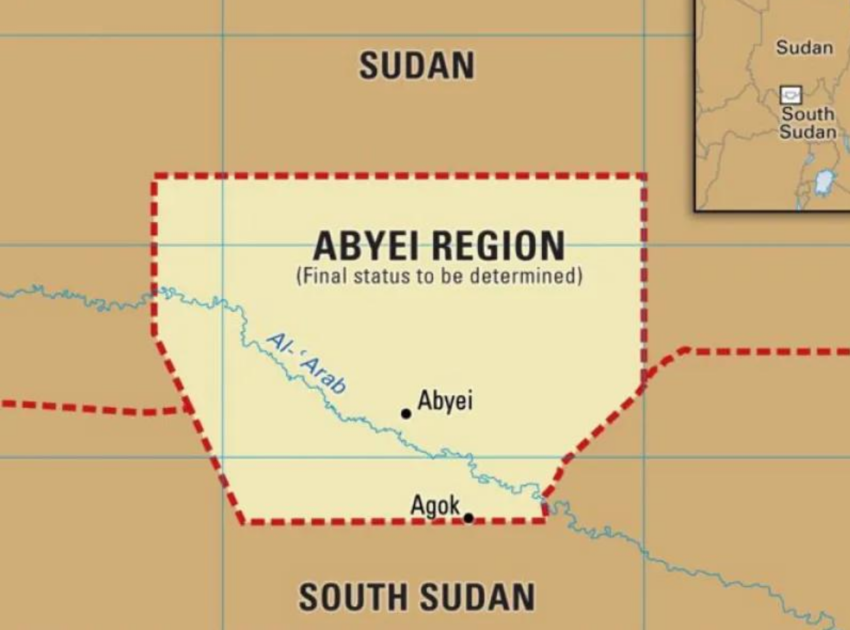
Abyei remains one of Africa’s most persistent territorial disputes. Rich in oil and straddling the border between Sudan and South Sudan, its status has never been finalized since South Sudan’s independence in 2011. Protocols to protect civilians during hostilities—unlike the failed 2008 Abyei Protocol—are largely ignored in the fog of war.
As the Sudanese civil war grinds on, Abyei has become a flashpoint. Waves of displacement, disrupted trade routes, and competing claims over land and resources have turned the region into a powder keg. The drone strike on Amiet market may have been a single act, but it exposes the broader vulnerability of civilians caught between two wars.
Humanitarian crisis deepens with every civilian life lost
The attack has triggered a humanitarian emergency. Rescue teams, hampered by smoke and damaged infrastructure, are working to identify victims and provide aid. Local hospitals, already strained by conflict-related injuries, are overwhelmed. The loss of life goes beyond numbers—it represents broken families, lost livelihoods, and the erosion of trust in peace agreements.
International humanitarian law demands protection of civilians in conflict zones. Yet, when drones target markets—sites where children, elders, and traders gather—compliance with these laws becomes a distant hope. The Amiet market strike is not an isolated incident; it’s part of a disturbing pattern where civilian spaces are increasingly caught in crossfire.
Can diplomacy prevent further bloodshed in abyei?
The coming days will determine whether this tragedy becomes a turning point—or just another entry in a worsening ledger of civilian suffering. South Sudan’s call for dialogue and accountability must be met with urgent action from Khartoum. Failure risks not only lives but the fragile web of economic and social ties that bind both nations.
For now, families wait for news of lost relatives. Traders survey shattered stalls and smoldering fuel tanks. And diplomats grapple with a question that echoes louder than ever: how many more civilians must die before the guns fall silent?