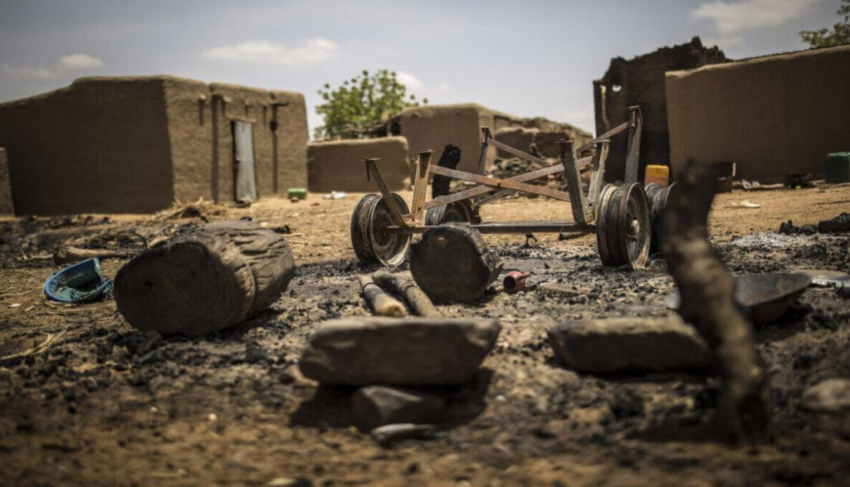
Unchecked violence in Mali’s conflict zones leaves civilians paying the heaviest price
In recent months, the escalation of armed confrontations across central and northern Mali has pushed civilian safety to the brink, devastating local communities and straining an already fragile economy. Reports documenting indiscriminate attacks, mass casualties, and critical infrastructure damage reveal a conflict where the most vulnerable bear the heaviest burden. The failure to protect civilians not only claims lives but also accelerates economic decline, disrupts essential services, and deepens social fractures. With no signs of de-escalation, urgent action is required to restore basic protections and accountability.
Military operations and civilian toll: mounting evidence of grave misconduct
Investigations into recent incidents paint a disturbing picture of repeated violations of international humanitarian law. A drone strike on a bustling livestock market in Bandiagara on August 19 left six civilians dead and over 20 injured. Survivors and local witnesses confirmed that no armed individuals—particularly those from the Group for the Support of Islam and Muslims (GSIM), an Al-Qaeda affiliate—were present during the attack. The destruction of stalls, motorcycles, and livestock further compounds the humanitarian fallout.
Another alarming episode occurred on July 29, when a military drone reportedly struck a health center in the Kidal region. The facility, which served both civilians and internally displaced persons, housed essential medical supplies and equipment. The targeting of medical infrastructure, even unintentionally, violates international law and exacerbates health crises in areas already struggling with limited access to care.
Standards ignored: when military force misses its mark
A July 12 incident in the Ségou region illustrates how civilian lives are being lost due to misidentification and poor operational decisions. Five young girls, aged 10 to 13, were killed by government soldiers while working in a rice field near Niono. Military officials later acknowledged the tragic mistake, attributing it to confusion with attackers from earlier in the day. While apologies were offered to families, the event highlights systemic failures in distinguishing combatants from civilians—a fundamental obligation under international law.
Government-backed militias and insurgents: all parties complicit in abuses
The pattern of abuse extends beyond official military forces. In late July, members of the Dozo militia, allied with Malian troops, were implicated in the killing of three civilians in the Mopti region. HRW’s findings stress the urgent need for impartial investigations to clarify responsibilities and prevent future atrocities.
Insurgent factions are equally culpable. On July 18 near Tabrichat in the Gao region, fighters from the GSIM and the National Movement for the Liberation of Azawad (MNLA) ambushed a military convoy. Reports document the torture and execution of at least 19 captured soldiers—acts that constitute grave breaches of the Geneva Conventions. These violations underscore the need for all parties to uphold their legal obligations, regardless of strategic or ideological motivations.
Economic fallout: how violence erodes livelihoods and security
The ripple effects of these attacks extend far beyond immediate human loss. The destruction of livestock markets, health facilities, and agricultural land directly threatens food security and livelihoods. Families displaced by violence face compounded risks, including malnutrition, interrupted education, and loss of income. In regions already struggling with poverty, such disruptions prolong cycles of vulnerability and slow economic recovery.
Moreover, the erosion of trust in state institutions and international actors undermines long-term peacebuilding efforts. As civilians lose faith in protection mechanisms, support for counterinsurgency operations wanes, and radicalization risks grow. The economic damage—measured in lost productivity, disrupted trade, and increased humanitarian aid demands—places additional strain on national and regional budgets.
Regional institutions under pressure: can the African Union act decisively?
Calls for decisive action have grown louder, with a chorus of voices urging the African Union’s Peace and Security Council to prioritize civilian protection. A recently published report recommends the immediate establishment of independent investigations into alleged abuses by all parties involved. It also calls for regular public reporting on progress and mechanisms to hold perpetrators accountable.The organization behind the report previously sent findings and inquiries to Mali’s Minister of Defense in early August. As of the report’s release, no response had been received—a silence that further highlights the need for external oversight and enforcement. Without credible accountability, the cycle of violence and impunity will persist, leaving civilians trapped in a conflict they did not start.
Conclusion: restoring dignity and security in Mali’s forgotten war
Civilians in Mali are not merely collateral damage—they are primary targets of a conflict fueled by competing armed factions. From misdirected military strikes to deliberate attacks on essential services, the cost of this war is borne by families, communities, and the nation’s future. Reversing this trajectory demands more than condemnation; it requires verifiable commitments, transparent investigations, and meaningful accountability. Only then can the cycle of violence be broken and the dignity of Mali’s people restored.