The Orleans dental scandal: when hygiene failures expose patients to real-world health risks
Health authorities in Orleans, France, have triggered urgent HIV and hepatitis testing for nearly 500 dental patients after uncovering critical sterilisation failures at a local clinic. The discovery raises serious questions about infection control in dental practices—not just in Europe, but across Africa, where resource constraints often exacerbate hygiene risks.
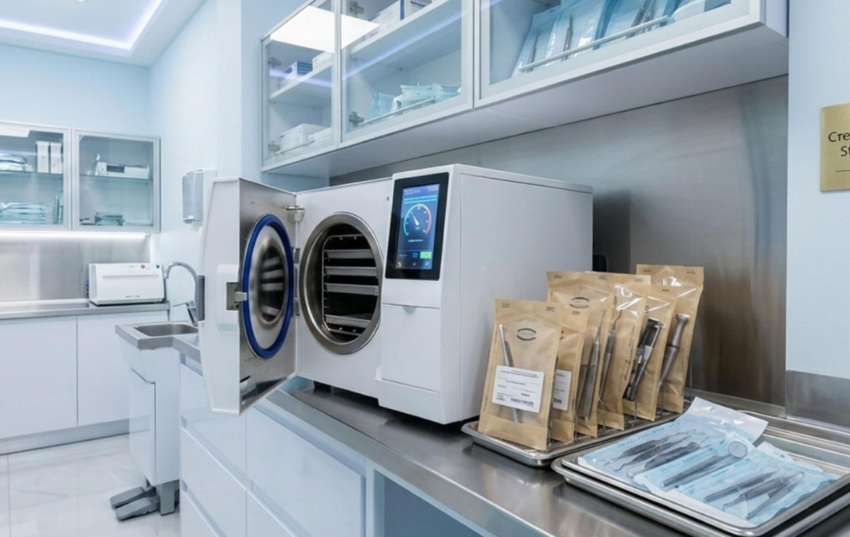
The incident began when a routine inspection of a dental facility in August 2026 revealed major breaches in sterilisation protocols. Among the findings: staff operated a sterilisation machine despite failed functionality tests, failed to properly package and store instruments, and lacked proper record-keeping for equipment use—all direct violations of basic infection prevention standards.
The regional health agency swiftly suspended the clinic’s operations and launched a patient notification campaign, warning that exposure to inadequately sterilised instruments may have occurred during dental procedures.
Why bloodborne virus screening is now critical for affected patients
Dental instruments that come into contact with blood or saliva must be thoroughly cleaned and sterilised between patients. When this process fails, microscopic traces of contaminated biological material can remain on tools, potentially transmitting infections like HIV, hepatitis B, or hepatitis C.
Health officials emphasized that the call for testing is purely precautionary. The actual risk of transmission remains low but cannot be dismissed. As a result, all 500 patients who received care at the facility during the affected period are being urged to undergo screening. Early detection enables timely medical intervention if needed—particularly in cases involving HIV, where post-exposure prophylaxis must begin within 48 hours of potential exposure.
What the Orleans case reveals about dental infection control worldwide
While this incident occurred in France, it highlights systemic gaps in dental hygiene standards that resonate globally. In many African countries, dental clinics—whether public or private—face persistent challenges in maintaining rigorous sterilisation due to limited access to equipment, inconsistent training, and weak regulatory oversight.
A study in Yaoundé, Cameroon, found widespread deficiencies among dental professionals in infection prevention practices, including improper sterilisation techniques and poor equipment maintenance. Such shortcomings are not isolated to one region; they reflect broader infrastructure and training deficits that put patients at increased risk of contracting serious infections through routine dental care.
What African dental clinics must do to close the hygiene gap
To prevent future scandals, dental facilities across Africa need to prioritise three key areas:
- Staff training: Continuous education on modern sterilisation protocols and infection control
- Equipment investment: Regular access to functional autoclaves and disposable instruments
- Regulatory oversight: Mandatory, unannounced inspections and strict penalties for hygiene breaches
Public health authorities must also increase funding for oral health infrastructure and public awareness campaigns to shift patient expectations toward safer care standards.
Protecting yourself: what patients should know before visiting a dentist
Even as institutions bear responsibility for hygiene, patients can take steps to safeguard their health. Before treatment, observe whether your dentist follows fundamental infection control practices:
- Hands washed and gloves changed between patients
- Instruments opened in front of you—never reused or improperly sterilised
- Single-use items like needles and syringes discarded after one use
Don’t hesitate to ask your practitioner about their sterilisation process. Transparency isn’t just good practice—it’s a patient’s right. If you suspect exposure to inadequately sterilised instruments, seek medical advice immediately. For HIV exposure, timely post-exposure prophylaxis can significantly reduce infection risk.
Trust in dental care begins with sterility—and ends with safety
The Orleans incident serves as a stark reminder: dental visits should never come with the risk of contracting a bloodborne disease. Sterilisation isn’t a checkbox—it’s a lifeline.
Across Africa and beyond, the path to safer dental care demands investment, vigilance, and accountability. Patients deserve no less than flawless hygiene. For dental professionals, the choice is clear: uphold the highest standards of infection control, or risk repeating the mistakes that turned patient trust into public alarm.