Niger’s fight for stability: community resilience and inclusive dialogue
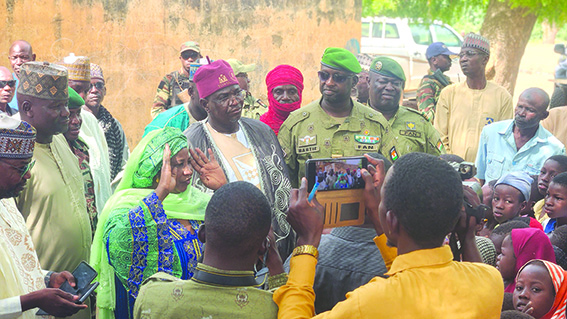
Niger continues to grapple with escalating security threats and terrorist attacks that have destabilized entire regions. In response, a growing movement of community-driven peace initiatives has emerged, championing inclusive dialogue as a cornerstone for sustainable stability. This approach transcends traditional security measures by integrating civil society, religious leaders, and local authorities into a unified strategy for national cohesion.
Voices from communities under pressure
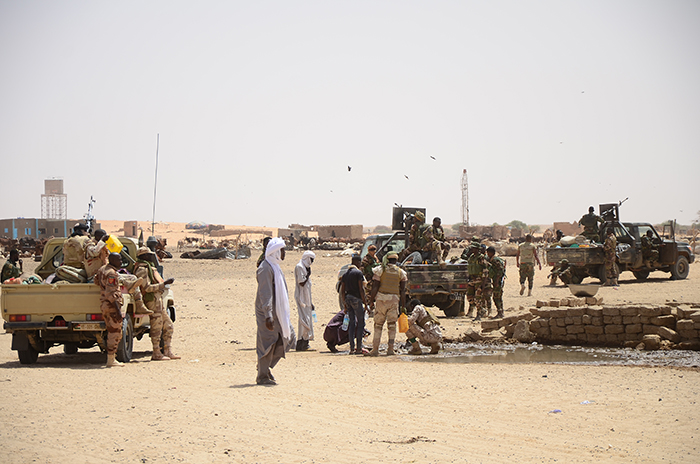
In towns like Tera, Makolondi, and Torodi, residents face daily hardships as insecurity disrupts livelihoods. While acknowledging the government’s efforts, they emphasize that safety patrols by defense and security forces are essential for any progress. Without this protection, ordinary activities—from farming to school attendance—become perilous. Young people, in particular, describe a grim reality: recruitment by armed groups, forced displacement, and economic paralysis due to banditry and illegal taxation. “We are trapped between extremists and poverty,” shares Seydou Hamidou, a youth leader from Makalondi.
Transport costs have skyrocketed—tripling or quadrupling—due to security risks, while crops are routinely sabotaged. Women bear the brunt of these challenges, with many widowed or displaced, and children deprived of education. “Our communities are unraveling,” laments Amina, a resident of Torodi who attended the peace forum.
State-led initiatives and community partnerships
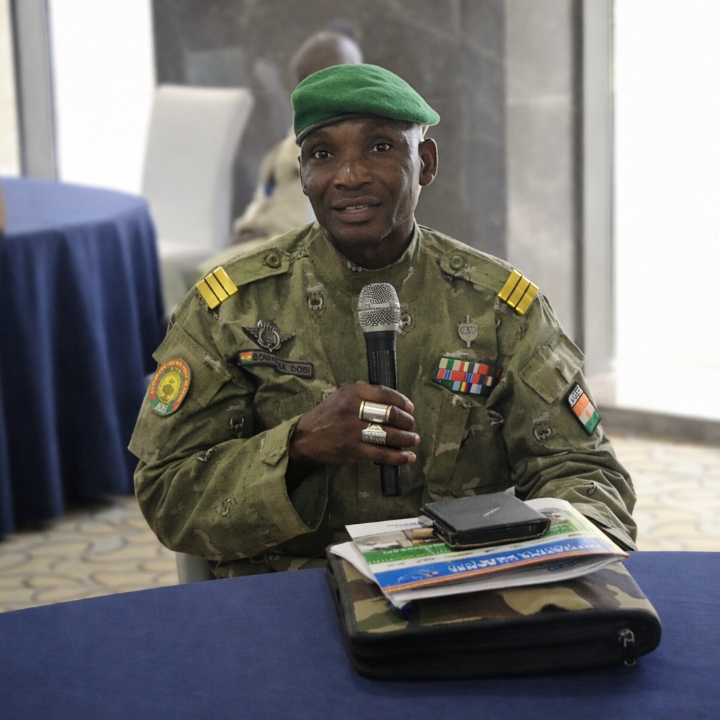
The government has intensified efforts to restore stability, focusing on returning displaced populations to their homes. In Torodi, over 800 displaced individuals have already returned, with plans for a second wave of reintegration. Prefect Captain Boureima Dobi highlights the state’s commitment to providing food aid and security, while warning against local complicity with terrorists. “Unity is our strongest weapon,” he asserts, urging citizens to reject extremist ideologies and embrace collective responsibility.
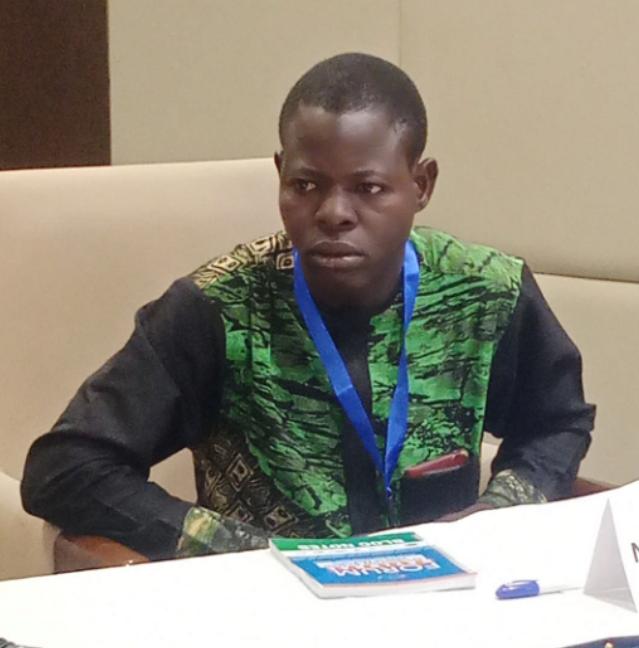
The High Authority for Peace Consolidation (HACP) plays a pivotal role, empowering youth, women, and community leaders through conflict prevention training and local development projects. “Resilience begins with dialogue and trust,” notes Boubacar Hamidou, HACP’s Director of Recovery and Stabilization.
Religious leaders as peacebuilders
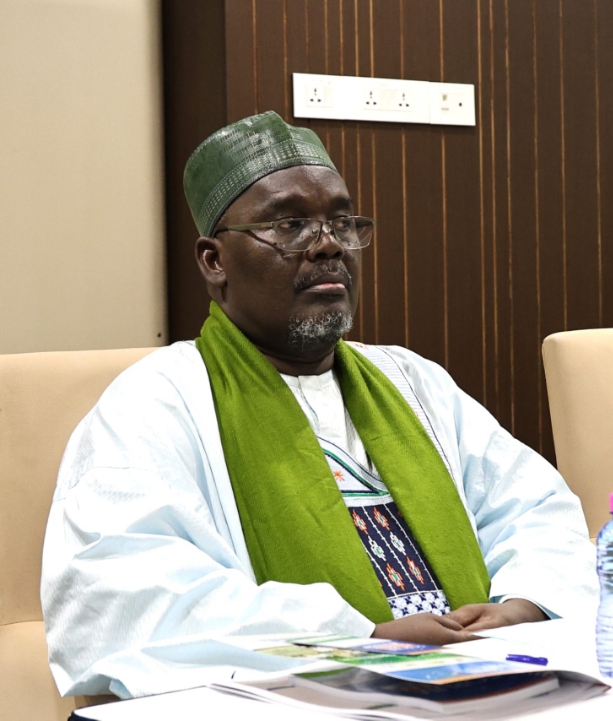
Religious leaders are at the forefront of peace efforts, countering extremist narratives through interfaith dialogue. The National Committee for Intra- and Interreligious Dialogue (CDIR) has mediated countless conflicts, from land disputes to communal tensions. “Peace requires confronting hate speech with compassion,” states CDIR Coordinator Cheikh Barham Aboubacar. The committee’s grassroots approach—training local peace committees and fostering mutual understanding—has proven vital in restoring stability.
The Sahel Peace Initiative: a regional vision
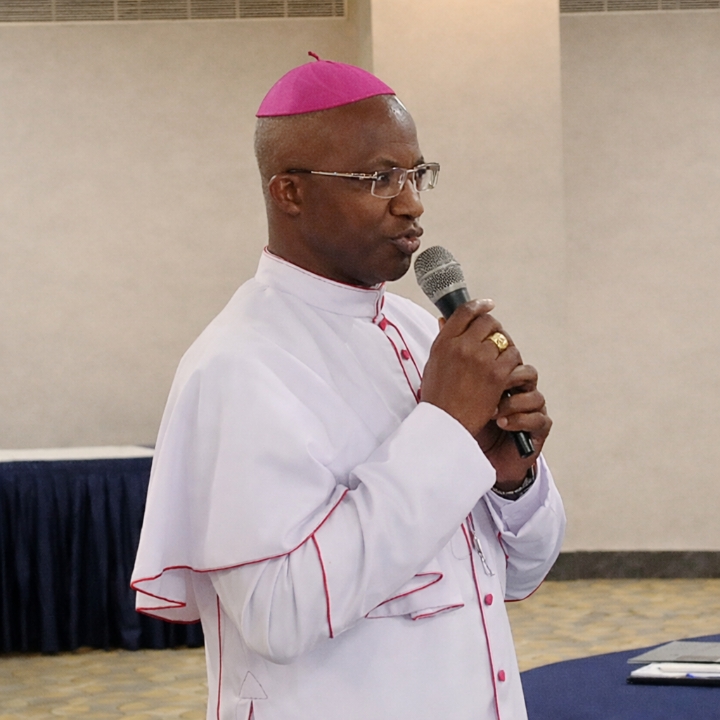
The Sahel Peace Initiative (SPI), launched in 2019, brings together Christian and Muslim communities across the Sahel to promote dialogue and resilience. During its June 2026 forum in Niamey, Archbishop Laurent Lompo emphasized the need for intergenerational collaboration: “Peace is built through shared conversations and collective action.” The SPI’s priorities include youth employment, digital peacebuilding, and psychosocial support—all aimed at breaking cycles of violence.
Media’s role in shaping public trust
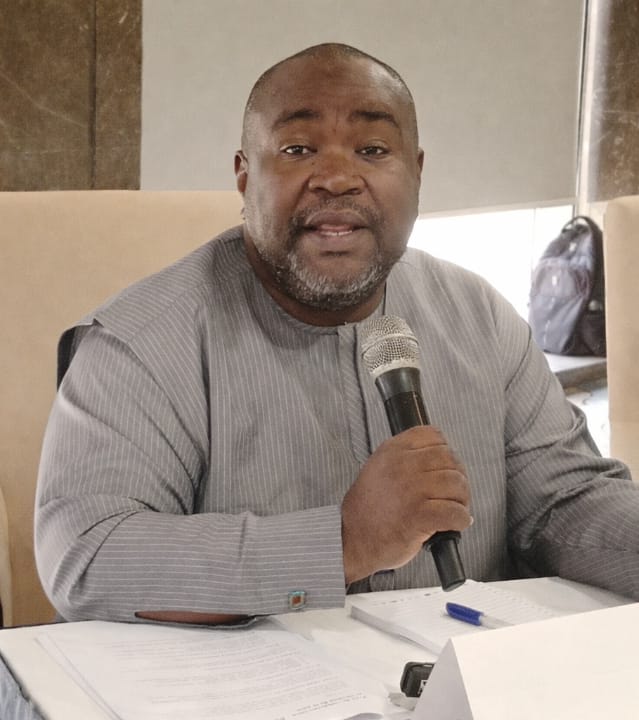
Community radios and local media outlets are instrumental in combating misinformation and amplifying grassroots voices. Alhassane Mahamane of Studio Kalangou notes, “Our broadcasts don’t just inform—they empower communities to reclaim their narratives.” By prioritizing local concerns, these platforms foster unity amid division.
The power of women in peacebuilding
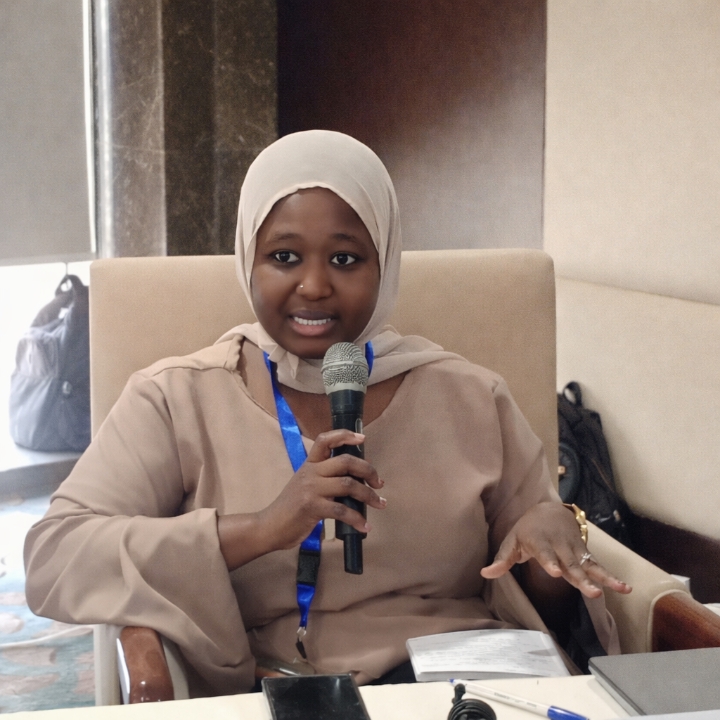
Women-led organizations like Femmes, Actions et Développement (FAD) are driving change through income-generating projects and advocacy. Amina Boukary, FAD’s partnership coordinator, stresses the need for greater female representation in peace processes: “Women hold the key to sustainable development—ignoring their voices undermines our future.” Initiatives targeting women’s leadership and education are critical to long-term stability.
Peace in Niger is not a distant dream—it is a daily commitment. By uniting diverse voices, fostering dialogue, and investing in resilience, Niger’s communities are charting a path toward lasting stability.