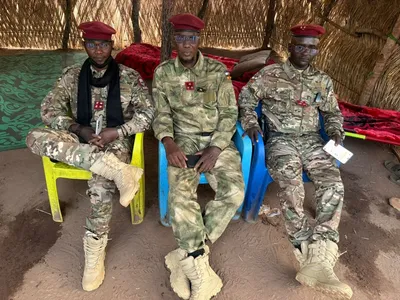
In a dramatic shift from military leadership to alleged criminal undertakings, former Chad chief of staff Dido Ali has emerged as a controversial figure. Once a high-ranking officer, his name now resonates in security circles as a potential architect of instability.
Recent reports suggest that Ali’s ambitions extend beyond personal gain, with credible claims linking him to a clandestine operation aimed at toppling Chad’s current regime. Insiders describe his involvement in a network of discontented factions, leveraging former military connections to mobilize opposition forces.
From Military Command to Alleged Rebellion
Dido Ali’s trajectory from a respected military commander to a fugitive figure is marked by controversy. His tenure as chief of staff of the MPC (Mouvement Patriotique pour la Change) was once a source of pride for his supporters, but accusations of sedition have since overshadowed his legacy. Former allies now describe him as a traitor, while critics warn of the destabilizing potential of his actions.
Key Allegations and Implications
The allegations against Ali are serious and multifaceted:
- Plotting regime change: Intelligence sources indicate that Ali has been coordinating with dissident groups to undermine Chad’s government, exploiting public dissatisfaction to fuel unrest.
- Military defection: His ability to sway former comrades into joining his cause raises concerns about internal security threats.
- Criminal alliances: Reports suggest he has forged ties with armed factions, blending political rebellion with criminal enterprises.
Security analysts emphasize that such a scenario could have far-reaching consequences, not only for Chad but for regional stability. The merging of military defection with organized crime creates a volatile mix, one that authorities are scrambling to contain.
Government Response and Public Reaction
Chad’s authorities have not remained idle in the face of these developments. Military and intelligence units have intensified surveillance, while state media outlets have issued warnings about the dangers posed by Ali’s network. Public sentiment is divided: some view him as a hero challenging an oppressive system, while others condemn his alleged betrayal of national interests.
The situation remains fluid, with every passing day bringing new developments. Whether Ali’s alleged plot will materialize—or collapse under scrutiny—remains to be seen. What is clear, however, is that his actions have thrust Chad into a period of heightened tension and uncertainty.