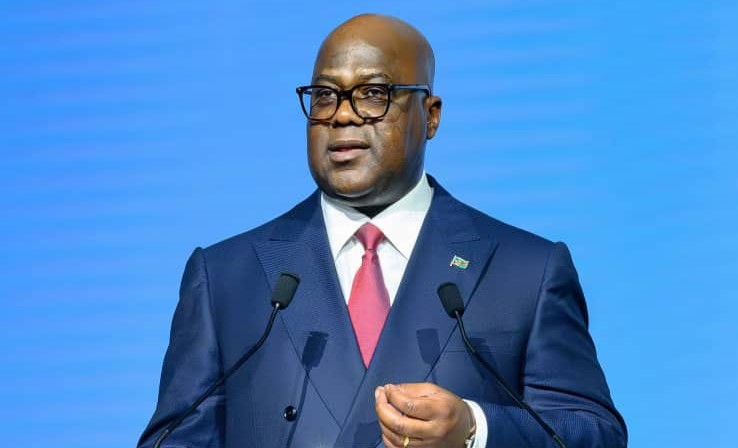
In a landmark address to African leaders and development partners gathered in N’Djamena, President Félix Tshisekedi of the Democratic Republic of the Congo (DRC) spotlighted his nation’s vast water resources. Yet he emphasized that these resources must translate into tangible benefits for ordinary citizens across the continent.
The DRC’s ambitious agenda extends beyond drinking water access. By 2035, the country aims to achieve 50% coverage in sanitation and hygiene services, a dual strategy intended to curb waterborne diseases and elevate living standards nationwide.
Education and health facilities are also central to the plan. President Tshisekedi announced that by 2035, 80% of schools and healthcare centers will have reliable access to clean water, sanitation, and hygiene infrastructure—transforming the social landscape and reinforcing foundational public services.
Prioritizing vulnerable sectors
Access to essential water, sanitation, and hygiene services in 80% of schools and health facilities is not just a goal—it’s a necessity. These institutions bear the brunt of inadequate infrastructure, putting communities at greater risk, the president stated.
Achieving these targets demands a unified effort. The DRC government is rallying public funding, private investment, and international support to bridge critical infrastructure gaps and accelerate progress.
Five pillars to redefine Africa’s water future
President Tshisekedi outlined a five-point roadmap to overhaul water management across Africa. The strategy hinges on integrating public policies, strengthening governance through high-performing institutions, and enforcing transparent accountability in water infrastructure management. He also stressed the need for technically robust, financially viable projects to draw investment, alongside dedicated funding mechanisms for hydraulic infrastructure.
Building a local water industry
The Congolese leader called for the urgent development of an African water industry capable of self-sufficiency. Local production of pipes, pumps, meters, treatment equipment, irrigation systems, and digital solutions is vital, he argued, to reduce reliance on imports, foster job creation, and drive industrial growth. A well-planned industrial ecosystem—backed by bankable, future-ready projects—will unlock the capital needed to modernize the sector.
This vision aligns with a broader continental agenda: expanding access, enhancing governance, and cultivating a water industry that fuels sustainable development.