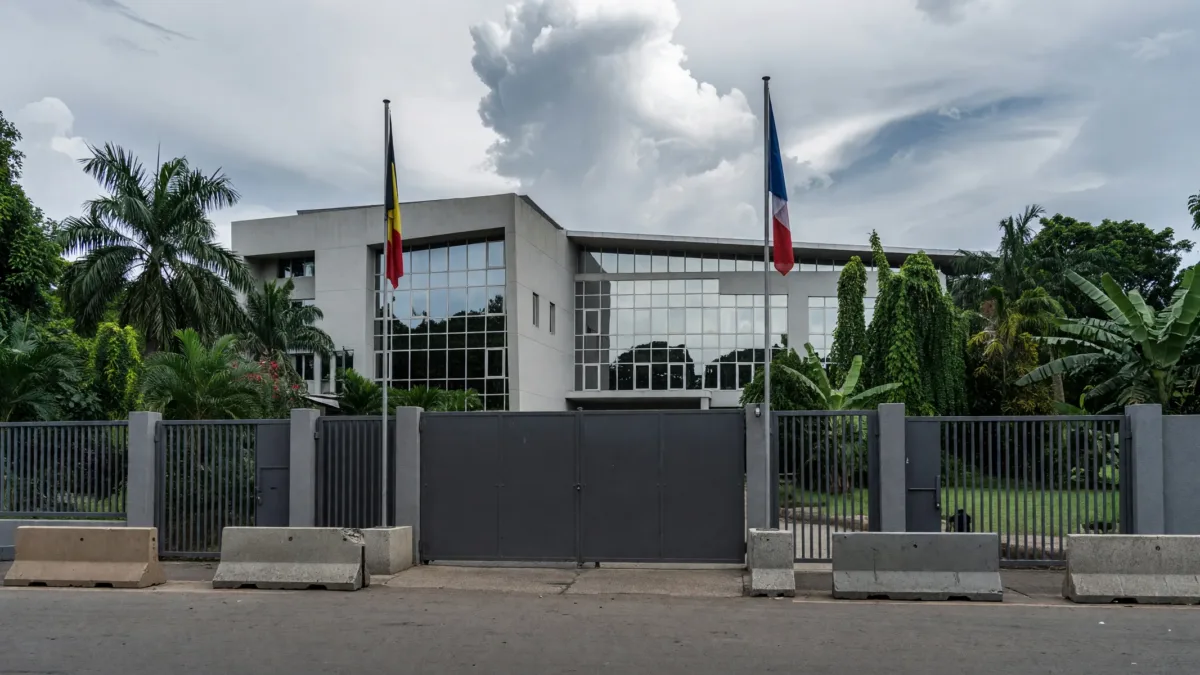
The embassies of Belgium and France in Kinshasa have issued a joint security advisory this week. They are urging their nationals to minimize travel and avoid venturing outdoors on July 22, 2026, due to an opposition-led march organized by the C64 coalition.
This precautionary notice follows months of growing security challenges in the Democratic Republic of the Congo, prompting Western governments to reassess travel advisories for the region.
Belgium tightens travel restrictions amid escalating threats
On July 16, 2026, Belgium’s Foreign Ministry upgraded its travel advisory for the DRC to a “no non-essential travel” recommendation. Belgian officials cited specific security incidents, including a violent protest targeting the embassy in Kinshasa in January 2025 and drone attacks near Kisangani Airport in early 2026.
These official warnings underscore the persistent political instability in the country, where public gatherings often become flashpoints for clashes between government forces and opposition groups. The C64 coalition, a broad alliance of opposition parties, frequently organizes demonstrations that authorities view as contentious.
France and Canada join heightened alert
France’s Foreign Ministry also renewed its travel advisory against visiting the DRC on July 14, 2026, citing both general insecurity and an ongoing Ebola outbreak. Canadian authorities have gone further by imposing a mandatory 21-day quarantine for travelers arriving from the DRC, adding another layer of complexity to international travel to and from the country.
Diplomatic priorities in a volatile region
For French and Belgian citizens currently in the DRC, these advisories reflect a proactive stance by their governments to protect expatriate communities. Belgium, as the former colonial power, maintains significant diplomatic and economic ties with the DRC, which heightens its focus on citizen safety. France, with a sizable expatriate population in Kinshasa—particularly in humanitarian aid and development sectors—continues to align its security messaging with European partners in Central Africa.
The embassies have not specified how long these restrictions will remain in place. They are expected to be reviewed once the July 22 event concludes and local consular teams reassess the situation on the ground.