DRC constitutional reform must prioritize national consensus and human rights
- Politique
Human rights experts emphasize the need for inclusive constitutional reforms in DRC
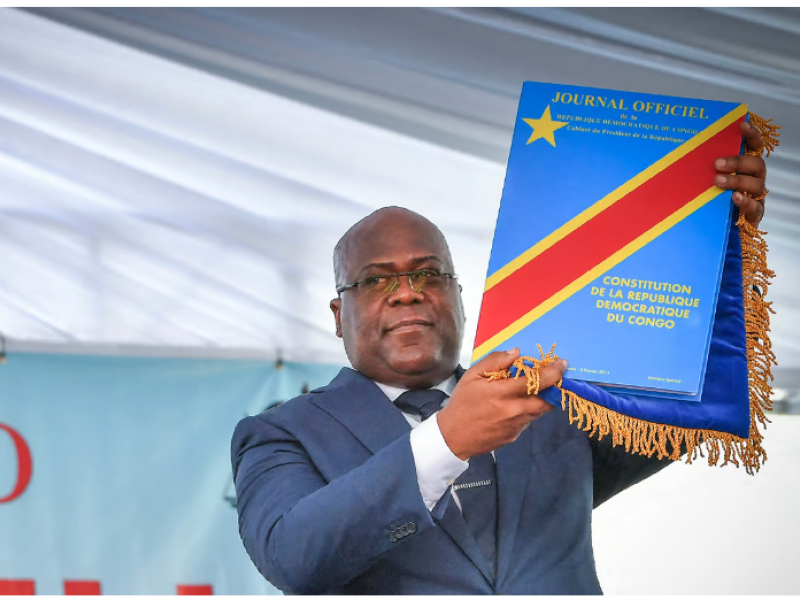
The debate surrounding constitutional reform in the Democratic Republic of the Congo (DRC) has intensified, drawing international attention. On June 29, 2026, the issue was discussed in Geneva, Switzerland, during an interactive dialogue on the first official update by the United Nations Independent Commission of Inquiry into human rights violations in North Kivu and South Kivu provinces. The session took place as part of the 62nd session of the UN Human Rights Council.
Addressing the council, Abdoul Aziz Thioye, Deputy Director of the UN Human Rights Office’s Global Operations Division, speaking on behalf of High Commissioner Volker Türk, expressed deep concern over the shrinking civic and political space in the DRC. He specifically highlighted recent protests in Kinshasa against proposed constitutional changes, underscoring the importance of inclusive dialogue.
Thioye, who previously led the UN Joint Human Rights Office (BCNUDH) in the DRC, stressed that any constitutional reform must be built on a national consensus to safeguard social cohesion. He warned that excluding key stakeholders could have severe repercussions for the country’s stability.
“Any constitutional reform process must be grounded in national consensus and uphold the country’s commitments to human rights. All voices must be heard and considered; otherwise, social cohesion could face serious consequences,” declared Abdoul Aziz Thioye, Deputy Director of the UN Human Rights Office’s Global Operations Division.
Beyond the reform debate, Thioye also highlighted the UN’s ongoing efforts to combat impunity in the DRC, despite financial constraints and reduced staffing. He noted that UN support had contributed to the conviction of 109 individuals, as well as assistance to 150 human rights defenders, journalists, and their families.
“Since our last update to the Council, we have supported authorities in organizing three judicial investigations into grave human rights violations and five mobile court sessions. These efforts resulted in the conviction of 109 individuals. Additionally, we provided support to 150 human rights defenders, journalists, and their families through psychological, legal, and financial assistance, as well as relocation measures,” explained Thioye.
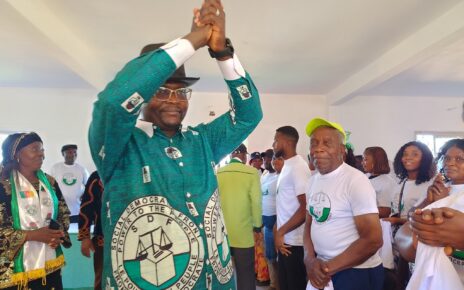
The constitutional reform debate has divided the DRC’s socio-political landscape into two main coalitions: the Coalition Article 64 for the Defense of the Constitutional Order (C64) and the Coalition of Congolese for Constitutional Change (C4). Both groups claim broad public support for their respective agendas.
This debate unfolds against a backdrop of ongoing security challenges in eastern DRC, where armed groups—both local and foreign—continue to pose significant threats. The resurgence of the M23 rebellion, allegedly backed by Rwanda, has further destabilized North Kivu and South Kivu provinces. Meanwhile, the Allied Democratic Forces (ADF) remain active, and diplomatic initiatives have yet to yield tangible progress on the ground.
Clément Muamba