Gabon and Democratic Republic of Congo forge strategic partnership during presidential visit
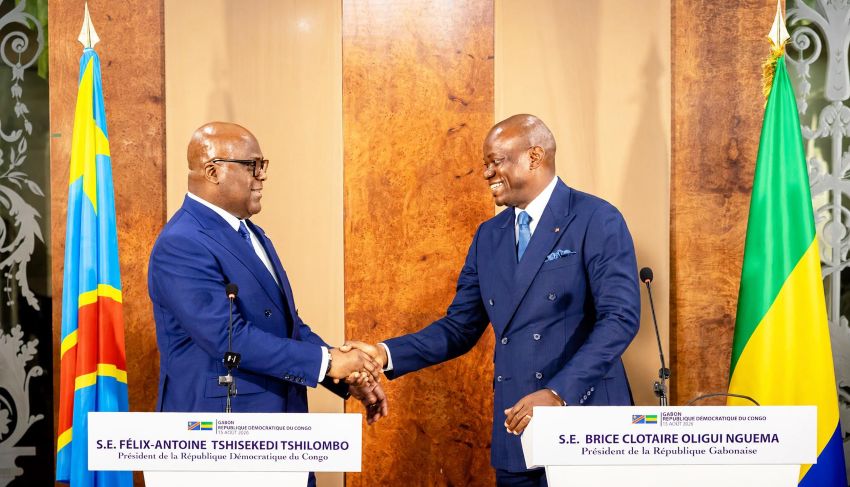
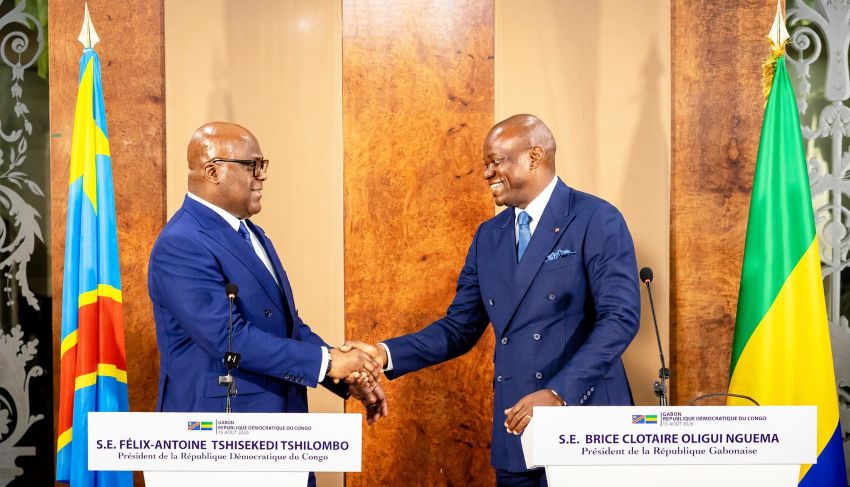
Libreville, August 15, 2026 — Félix-Antoine Tshisekedi Tshilombo’s official visit to Libreville transcended mere diplomatic protocol. The meetings between the President of the Democratic Republic of Congo and his Gabonese counterpart, Brice Clotaire Oligui Nguema, revealed a shared ambition to elevate bilateral relations into a powerful catalyst for economic transformation, regional stability, and African solidarity.
By aligning their visions during Gabon’s 66th independence anniversary celebrations, both leaders underscored the depth of historical ties while charting a forward-looking path centered on sustainable cooperation.
Key sectors identified for collaboration
The discussions spanned critical domains including agriculture, infrastructure, transportation, energy, mining, health, education, vocational training, digital innovation, and cultural exchange. At the core of these deliberations lay a fundamental principle: both nations possess vast resources, but their true potential lies in local processing, job creation, and fostering the circulation of African expertise, capital, and knowledge.
From raw materials to value-added growth
A central theme emerged during the talks — accelerating the local transformation of natural resources. This strategy aims to reduce dependence on raw material exports while building higher-value production chains within both countries.
President Oligui Nguema highlighted Gabon’s ongoing reforms in digitalization, women’s empowerment, youth employment, living standards improvement, and resource valorization. President Tshisekedi welcomed these initiatives and expressed Kinshasa’s eagerness to deepen collaboration with Libreville.
Beyond economics: security and regional integration
The partnership extends to combating transnational organized crime, strengthening regional integration, and upholding peace and stability — prerequisites for sustainable development. Their shared commitment spans the Congo Basin, a vital ecological zone requiring cross-border solutions.
Climate financing, particularly concerning carbon taxation mechanisms, presents another promising avenue for cooperation. In an international landscape where African nations seek greater recognition for their climate contributions, a unified Gabon-DRC approach could amplify their negotiating power.
A continental stage for cooperation
Gabon’s diplomatic ambitions received support from the DRC, with Kinshasa backing Libreville’s candidacy for the International Telecommunication Union Council election in Doha (November 2026) and its bid to host the African Union Summit in 2027. For Gabon, hosting such an event would mark a significant diplomatic milestone, returning the country to the continental stage nearly half a century after the 1977 Libreville summit.
Three concrete agreements signed
The visit’s tangible outcomes were three landmark agreements:
- Comprehensive cooperation framework: Covers justice, environment, health, and mining — with special emphasis on local resource processing.
- Diplomatic facilitation: Visa exemption for holders of diplomatic and official passports.
- Regular diplomatic consultations: Establishes a permanent mechanism for political and diplomatic exchanges.
A Joint Commission will oversee implementation — a critical step given how many African agreements stall without proper follow-through. The challenge now lies in converting these commitments into tangible projects, investments, and employment opportunities that deliver visible benefits to both populations.
The visit concluded with a solemn moment at Libreville’s Sainte-Marie Cathedral, evoking memories of a 2018 mass held to honor Étienne Tshisekedi. This gesture served as a poignant reminder of the historical bonds uniting both nations.
Turning history into collective strength
The moment calls for action beyond rhetoric. With the framework now established, the onus falls on both governments to deliver results. The path forward demands not just declarations, but measurable progress — where solidarity translates into concrete achievements for Gabon and the DRC.