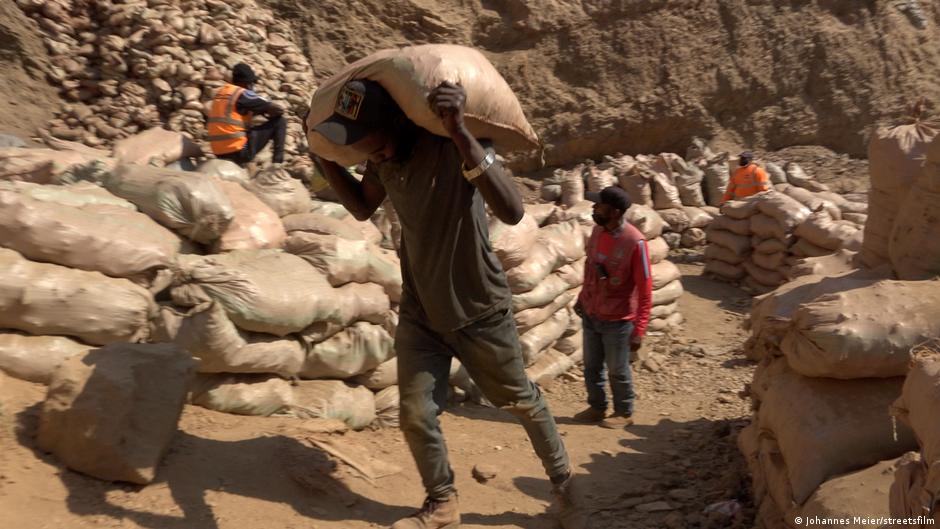
In a bold move to overhaul the mining sector’s governance, the Democratic Republic of the Congo (DRC) is partnering with a private firm to train and deploy 20,000 specialized security agents. These personnel will be tasked with safeguarding large-scale mining operations, overseeing artisanal mining sites, and strengthening the traceability of mineral exports across the country.
While the government has yet to disclose the name of the private contractor responsible for this training initiative, preparations are underway for the program to commence in September. The first contingent of trained security personnel is slated to be operational by January 2027, with initial deployment focused on the Katanga region.
Historically, the DRC’s mining sites have relied on a mix of military, police, and private security personnel. In provinces like Lualaba, local security firms—registered with national security services—recruit and train guards directly within communities. Henri Kasongo Mutata, coordinator of the Diocesan Commission for Natural Resources and the Environment in Lualaba, highlights this layered approach.
“In Lualaba, mining site security currently combines mine police forces with private security firms. Mining operators frequently contract local guard services to protect their concessions. This system ensures a presence on the ground, though challenges remain in coordination and oversight.”
tackling crime and conflict in mineral-rich zones
The DRC boasts vast reserves of copper, cobalt, tin, coltan, gold, lithium, and zinc—resources critical to global industries. Yet, some of the most valuable deposits remain inaccessible due to ongoing conflict, particularly in the eastern part of the country. The Rubaya coltan mine, one of the world’s largest, is currently under the control of the M23 rebel group, underscoring the urgent need for improved oversight.
Crispine Ngena, an ecofeminist activist advocating for women’s participation in natural resource governance, emphasizes the dual challenges of militarization and rights violations in mining zones.
“The first hurdle is the militarized nature of these sites. Respect for human rights and environmental standards is nearly nonexistent in these lawless zones. The deeper question is whether the Congolese state can transform these mines into safer, regulated spaces—particularly for indigenous communities and women—while ensuring foreign companies comply with ethical and legal norms.”
Adding to the complexity, private security teams linked to Erik Prince, founder of the former Blackwater firm, have been active in mining areas around Kolwesi and Kisangani in Lualaba and Tshopo provinces. Their stated objectives include mine protection, tax collection enhancement, and combating smuggling activities.