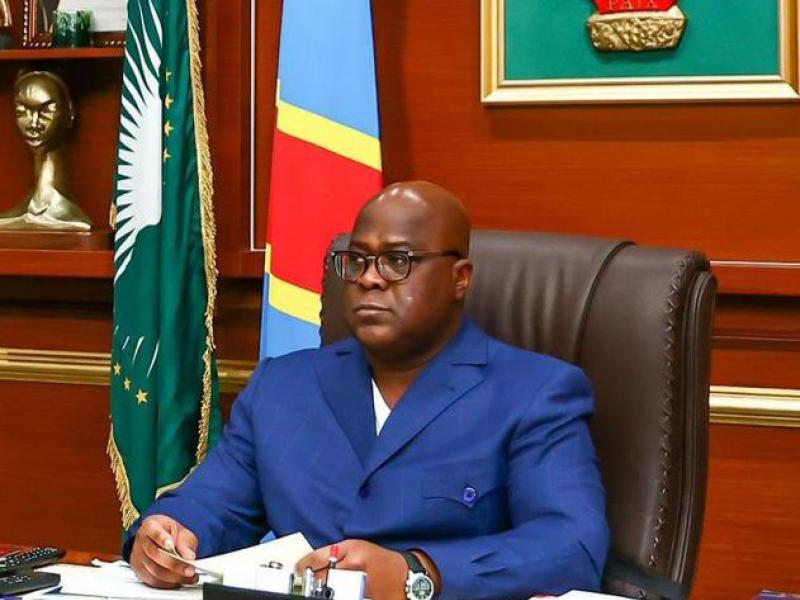
In a surprising turn of events, President Félix Tshisekedi of the Democratic Republic of Congo has announced he will not attend the high-profile United Nations Security Council meeting in New York on July 22, despite earlier plans to preside over the session.
Key reasons behind the last-minute cancellation
The decision comes after weeks of preparation, including a July 13 Arria-formula meeting led by Foreign Minister Thérèse Kayikwamba Wagner, which set the stage for the upcoming summit. However, a high-ranking government source confirmed that evolving political and security dynamics within the DRC now demand the President’s full attention in Kinshasa.
While the exact nature of these developments remains undisclosed, insiders suggest that internal stability concerns—spanning political cohesion, regional tensions, and ongoing security challenges—have necessitated a strategic shift in priorities. The President’s continued presence in the capital is seen as critical to addressing these pressing issues.
What this means for DRC’s UN presidency
The cancellation marks a significant departure from the original agenda, which was centered on the governance of natural resources as a foundation for peace, security, and prosperity. The July 22 meeting was intended to highlight the DRC’s leadership role in global resource management discussions, particularly following the country’s presidency of the Security Council for July 2026.
With the President’s absence, the delegation led by the Foreign Minister will now represent the DRC at the summit, though the full implications of this change on international negotiations remain to be seen. The decision underscores the delicate balance between international commitments and domestic governance imperatives in the DRC’s current political landscape.
Reactions and expectations
Political analysts and diplomatic observers are closely monitoring the situation, with some questioning the long-term impact on the DRC’s diplomatic standing. However, government officials have remained tight-lipped, emphasizing the need to prioritize national stability in the face of emerging challenges.
The move also raises questions about the timing of the announcement, coming just days before the scheduled summit. While no official statement has been issued, the decision reflects the fluid and often unpredictable nature of Congolese politics and its intersection with broader regional and international dynamics.