The Congolese national public health institute has recorded 1,003 Ebola cases and 254 deaths, resulting in an average fatality rate of 25.3%.
Nearly all patients have been reported in the remote northeastern province of Ituri, which accounts for 91.3% of cases and 80.7% of deaths. The region is plagued by armed group violence.
Testing capacity in DRC, initially very low, has improved, partially explaining the rise in reported cases.
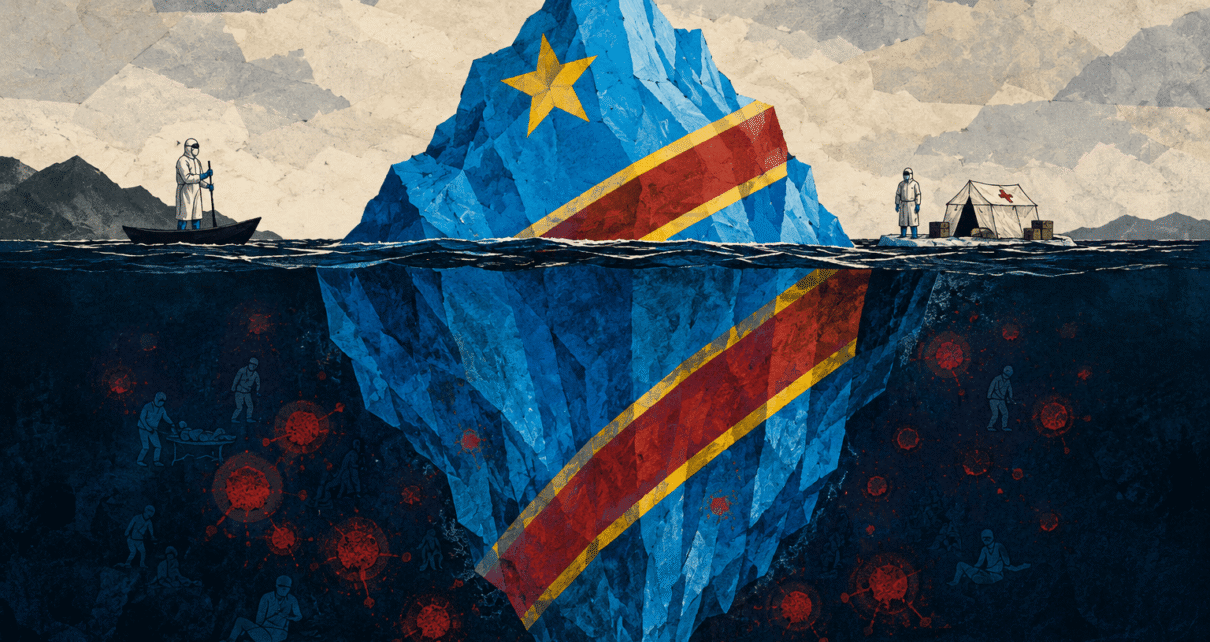
However, international humanitarian organizations and NGOs on the ground unanimously believe the official figures remain underestimated.
Three provinces in total are affected: Ituri, neighboring North Kivu, and South Kivu, together home to an estimated 15 million people. The virus has also spread to neighboring Uganda, where 20 confirmed cases including two deaths have been recorded.
Response launched but hampered
In Ituri, the health response relies on isolating patients and tracing contacts. It has been strengthened but still struggles to organize effectively.
Currently, there is no vaccine or treatment for the Bundibugyo virus that is causing this outbreak. Existing vaccines only work against the Zaire virus, which caused the largest known Ebola epidemics.
At the start, local hospitals were quickly overwhelmed. Ebola treatment centers later set up with teams from WHO and several NGOs are already over 80% capacity, according to the health institute.
Health facilities in one of the world’s poorest countries often operate with limited resources. More than a month after the official declaration, they still lack protective equipment and chlorine. Some 78 healthcare workers have been infected and 18 have died, per the institute.
Healthcare workers and humanitarian staff are also facing strong distrust from local communities. Reluctance to accept post-mortem samples leads to undercounting. Incidents have been reported in hospitals in recent weeks, including angry residents demanding the bodies of relatives who died from the disease.
Humanitarians and epidemiologists state the outbreak has not yet peaked and fear the health crisis could last six months to a year.
“The outbreak was declared about two months after the first suspected deaths around March 20. During that time, the disease spread unchecked to an extent we do not know,” said a representative of an international humanitarian organization who spoke on condition of anonymity.