Ebola in DRC: open borders and stronger response needed
30 July 2026The Democratic Republic of the Congo is grappling with a relentless Ebola outbreak, now confirmed in over 3,000 cases with nearly 1,500 fatalities. Humanitarian groups warn that the virus is spreading faster than efforts to contain it.
Julien Harneis, the United Nations’ top Ebola coordinator, recently highlighted the alarming pace of transmission. “The number of cases is doubling every 20 days,” he stated. The outbreak’s acceleration has outpaced the emergency response, raising concerns about control.
Keep borders open to fight Ebola
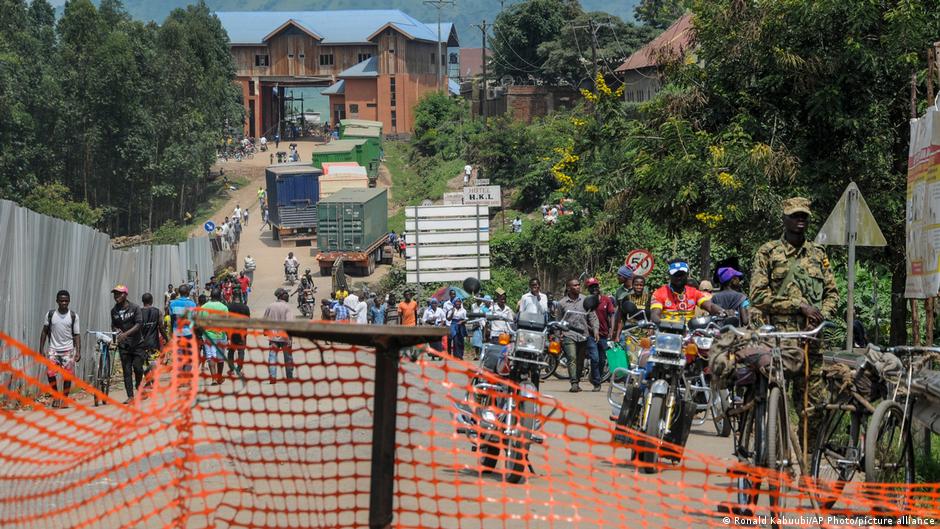
Several nations had imposed border restrictions or closures in reaction to the DRC’s 17th Ebola outbreak. Rwanda, for instance, initially shut its land borders with the DRC and banned entry for travelers from the country. A partial reopening followed in early July, with mandatory health checks such as handwashing and temperature screening.
Uganda also temporarily closed its border crossings with the DRC, though exceptions were made for humanitarian aid, security operations, and essential cargo transport.
Outside Africa, Canada announced in July that it would bar entry to foreign nationals who had visited the DRC within the past 21 days. The country also suspended certain immigration services for the DRC, Uganda, and South Sudan.
The United Nations stresses that open borders are critical. Restricted crossings risk forcing people into unmonitored routes, undermining Ebola surveillance. Keeping borders open ensures rapid delivery of medical supplies, unhindered movement of response teams, and safe passage for health workers inside the DRC.
Ebola deepens food insecurity in the DRC
The World Food Programme (WFP) describes the crisis as “a crisis layered on top of another crisis.” Ituri Province, the outbreak’s epicenter, faces severe food shortages, with 1.9 million people in urgent need of assistance.
“Many patients are cared for by their families because humanitarian access is limited,” explains Butoto Bigiri Naum, head of Action for Development and Community Well-being (UGEAFI). This NGO, working alongside German group Help, distributes emergency aid in Ebola-affected areas. Rural and vulnerable communities—both nutritionally and health-wise—are particularly strained.
Border restrictions have disrupted food supplies and agricultural inputs like seeds and tools. “Securing these basics has become nearly impossible,” Naum notes. Over 2.65 million people in Ebola-hit health zones now face acute food insecurity, including 628,000 in emergency conditions. Women, children, and pregnant women are hardest hit by restricted access to food.
The outbreak exacerbates food insecurity through mobility restrictions that disrupt supply chains and drive up prices. Scarce goods make it harder for households to meet basic nutritional needs. Farmers, fearing contagion or labor shortages, may abandon their fields, threatening long-term harvests and food security.
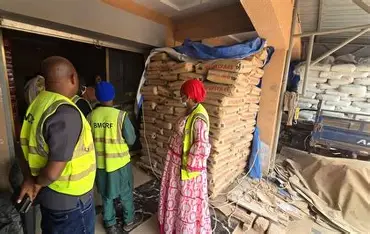
The WFP is providing food aid to Ebola patients, their close contacts, frontline workers, and affected households. This support helps families comply with quarantine measures while easing the burden on communities struggling to meet daily food needs.
Food assistance also reduces population movements driven by hunger and creates a more stable environment for effective health interventions.