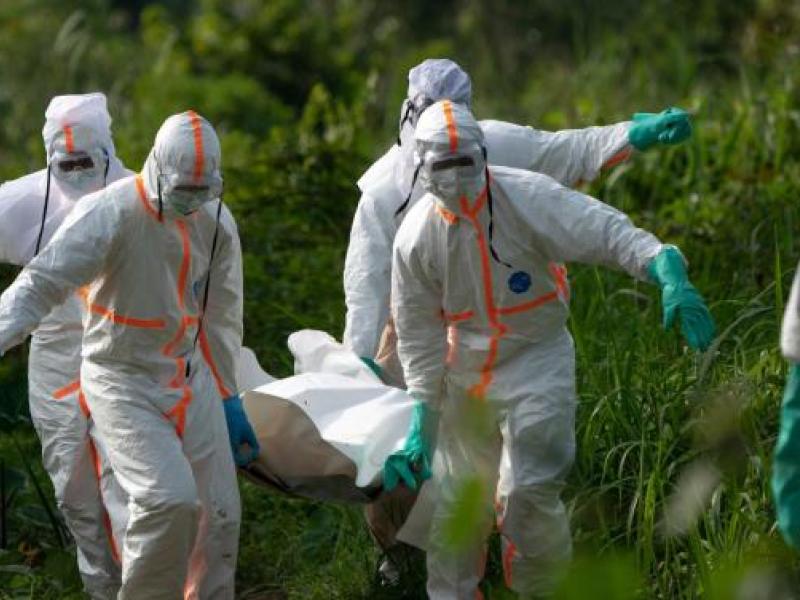
Ebola outbreak in the Democratic Republic of Congo: 550 confirmed cases, 101 deaths — Ituri remains the epicenter
- Health
The Ebola virus disease outbreak in the Democratic Republic of Congo (DRC) continues to escalate, with the latest epidemiological report from the National Institute of Public Health (INSP) confirming 550 confirmed cases, including 101 deaths as of June 6, 2026. The report highlights a concerning increase of 27 new confirmed cases within just 24 hours, signaling ongoing transmission in multiple affected areas.
Currently, 283 patients are receiving treatment or are in isolation, while the overall case fatality rate stands at 17.7%. Health authorities note that some data is still being harmonized, which may lead to slight adjustments in future reports.
Ituri remains the hardest-hit province
Geographical analysis of the outbreak reveals that Ituri Province continues to bear the brunt of the crisis. Of the 25 health zones affected by the outbreak, 17 are located in Ituri—a staggering 47% of the province’s 36 health zones. The most severely impacted areas include Aru, Aungba, Bambu, Bunia, Damas, Gety, Kilo, Komanda, Lita, Logo, Mambasa, Mangala, Mongbwalu, Nizi, Nyankunde, Rimba, and Rwampara.
Despite intensified surveillance and community awareness campaigns, the persistent spread of the virus across these territories underscores the challenges faced by health teams in containing the outbreak.
Active hotspots in North Kivu and South Kivu
Beyond Ituri, several health zones in North Kivu and South Kivu are also grappling with active transmission. The Katwa health zone remains the most critical hotspot, reporting 11 confirmed cases and 8 deaths, followed by Beni (5 cases, 3 deaths), Butembo (4 cases, 2 deaths), Miti-Murhesa (3 cases, 1 death), Oïcha (2 cases, 2 deaths), Kalunguta (1 case, 1 death), Kyondo (1 case, 0 deaths), and Goma (1 case, 0 deaths).
Amidst the grim statistics, there is a glimmer of hope as three patients have recently recovered and been discharged. Two of these individuals left treatment centers in Bunia, while the third returned home in the Katwa health zone.
Health teams are maintaining a robust response, with a strong focus on infection prevention in healthcare facilities, contact tracing, and community sensitization. Authorities emphasize that building public trust, early case detection, and strict adherence to prevention measures are critical to breaking transmission chains in the coming weeks.
This report is based on findings from the National Institute of Public Health’s latest epidemiological bulletin. Freddy Upar contributed to this coverage from Bunia.