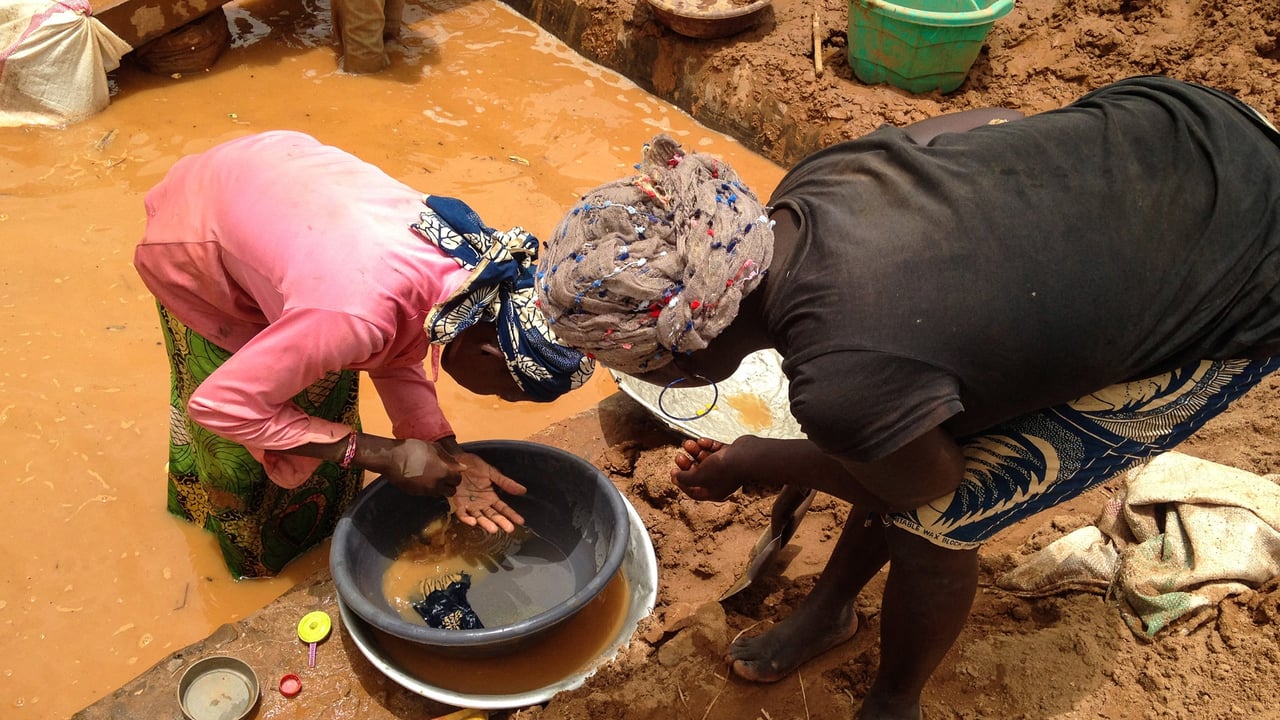
In the dense forests of eastern Cameroun, a silent but lucrative trade is thriving—one that drains billions from the national treasury. Gold mining has exploded across the Adamaoua and East regions, yet the state’s control remains alarmingly weak. Behind this uncontrolled boom lies a web of illegal networks smuggling precious metal to international markets, particularly Dubai, with the complicity of local elites determined to protect their illicit gains.
Unregulated mines fuel a billion-dollar black market
From the remote hills of Bétaré-Oya to the riverbeds of the Sanaga, artisanal miners dig day and night, their labor unmonitored and untaxed. While the government struggles to regulate the sector, thousands of informal pits operate without licenses, their output slipping through cracks in the system. Official figures show only a fraction of the country’s gold production is declared, with estimates suggesting over 90% of the gold leaving Cameroun goes unrecorded.
The lack of oversight has created a parallel economy where middlemen, corrupt officials, and armed groups collude to bypass state authorities. Gold bars, often smuggled across porous borders, end up in refining hubs before being exported—most frequently to the United Arab Emirates, where lax regulations make it easy to launder proceeds.
How networks evade state control
Investigations reveal sophisticated smuggling routes involving local chiefs, customs officers, and even security forces. Gold is transported in small consignments, concealed in vehicles or carried by couriers through secondary roads. Transactions are conducted in cash, with payments made to intermediaries who ensure the metal reaches international buyers without leaving a paper trail.
In some cases, miners are forced to sell their gold to designated buyers at below-market prices, reinforcing a cycle of exploitation. The absence of transparent pricing mechanisms allows traders to manipulate values, further depriving the state of much-needed revenue.
The human cost behind the riches
While elites profit from this shadow trade, the communities living near mining sites face severe consequences. Mercury poisoning from unregulated processing, deforestation, and armed clashes over control of deposits have devastated local populations. Children are often pulled out of school to work in mines, perpetuating cycles of poverty.
The government has pledged reforms, including stricter licensing and environmental safeguards, but implementation remains inconsistent. Without decisive action, Cameroun’s gold wealth—estimated at billions annually—will continue to vanish into the hands of a few, leaving behind broken ecosystems and unfulfilled state coffers.