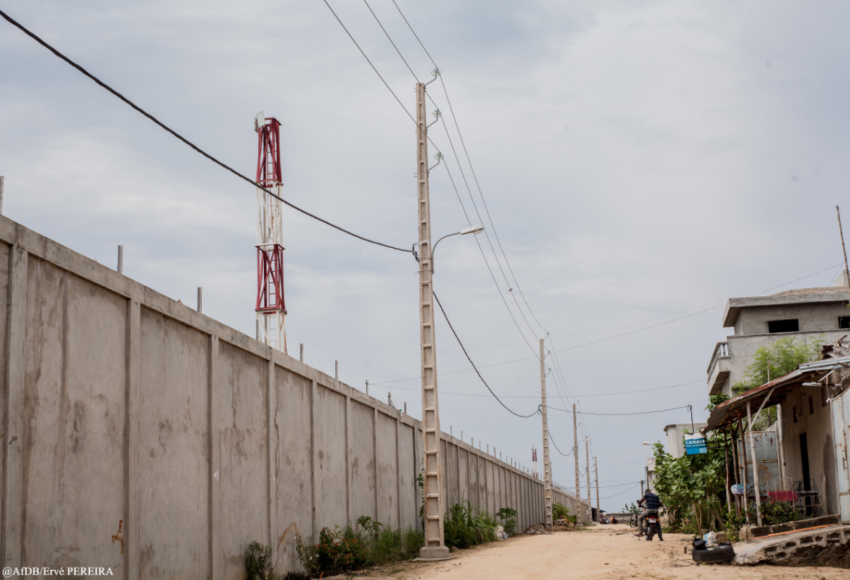
The future of Africa’s energy landscape is being debated in Cotonou this week as the 12th African Think Tanks Summit (#ATTS2026) unfolds. Running from October 28 to 30, the gathering has drawn policymakers, economists, and development partners to tackle a pressing question: can reliable, affordable electricity turn the tide on economic stagnation across the continent?
The summit’s core mission: linking energy access to real economic outcomes
Themed “Beyond Plugs: Energizing Africa’s Economic Transformation Through Practical Policy Reforms,” the summit challenges outdated assumptions that mere electrical connections alone can spur growth. Speakers emphasize that electricity must fuel productivity, enable industrialization, and lift productivity in agriculture and essential services to have a meaningful impact.
“We need to move past counting new household connections and start measuring how energy supports businesses, boosts output, and creates jobs,” stated one senior government representative during the opening session.
How unreliable power paralyzes commerce and opportunity
In many African cities, rolling blackouts and costly electricity stifle small manufacturers, freeze supply chains, and deter foreign investors. A textile entrepreneur in Ouagadougou recently noted that power surges damage machinery monthly, while a Dakar-based agro-processor reported that unstable supply forces inefficient backup generators that double operational costs.
At Cotonou, officials from eight countries presented data linking erratic electricity to a 15–20% drop in SME profitability and a 12% decline in foreign direct investment in energy-intensive sectors like textiles and agribusiness.
The institutional backbone: forming policies that deliver results
Mamadou Biteye, Executive Secretary of the African Capacity Building Foundation (ACBF), warned that without strong institutional frameworks, even massive infrastructure investments fail to translate into economic dividends. Governments must align energy policies with national industrialization goals, enforce transparent regulations, and invest in skills development to sustain reform momentum.
- Regulatory bodies need more autonomy and technical capacity to oversee independent power producers.
- National electrification agencies must integrate cost-reflective tariffs that protect consumers while funding grid upgrades.
- Local governments should coordinate urban planning with energy expansion to avoid stranded infrastructure in new housing developments.
Local impact: why cities like Cotonou cannot afford energy poverty
Luc Gnacadja, Mayor of Cotonou, highlighted that energy poverty directly undermines public health, education, and safety. Clinics without refrigeration lose vaccines; schools with no reliable power fail to offer digital literacy; street lighting depends on diesel generators, increasing municipal costs.
City officials proposed that national power pools and decentralized renewable projects could bridge urban-rural divides, citing pilot micro-grids in Benin’s southern regions that cut costs for fishermen and market traders by 30%.
Financing the next phase: blending public funds with private capital
Participants underlined that traditional development aid alone cannot fund an estimated $30 billion annual investment gap needed to achieve universal access by 2030. Blended finance models, green bonds, and regional power trade agreements emerged as practical solutions.
A representative from the African Development Bank noted that every dollar invested in transmission and distribution yields a fourfold return in economic output, making energy reform a high-leverage intervention for poverty reduction.
From Cotonou to continental action: what comes next?
The final declaration outlined immediate steps: establishing a continental energy reform observatory, creating national task forces to fast-track regulatory approvals, and launching a peer-review mechanism to share best practices across borders. Governments also agreed to publish annual progress reports on how energy access translates into jobs, productivity, and household income.
“This summit was not just talk,” said a senior Beninese official. “We’re leaving with binding commitments and concrete timelines. The question is no longer whether Africa can afford to fix its power sector—it’s whether it can afford not to.”