Burkina Faso’s new 15,000-seat stadium in Koudougou is generating both excitement and concerns across the country. Announced under the presidential initiative for sports excellence, this project promises to boost local infrastructure and provide a platform for rising athletes. Yet, despite official announcements, one critical question remains unanswered: who is funding this ambitious venture? The lack of clarity surrounding the project’s financing risks undermining public trust in major infrastructure developments.
From announcement to uncertainty: the financial black hole at the heart of the stadium project
The Koudougou stadium project is not just another sports facility—it represents Burkina Faso’s commitment to investing in sports infrastructure and youth development. With a stated capacity of 15,000 seats, it could become a cornerstone for national competitions and local talent development. However, the absence of concrete financial details has fueled speculation and raised concerns about transparency.
According to official communications, site preparations are underway, with construction expected to begin soon. Yet, key financial questions persist:
- What is the estimated total cost of the project?
- Will funding come entirely from Burkinabè public coffers, or will international partners be involved?
- What specific budget allocations have been made?
Without clear answers, citizens and businesses alike are left wondering about the long-term economic implications of a project announced with fanfare but lacking financial transparency.
Integral Sport takes center stage: a Turkish firm’s role raises eyebrows
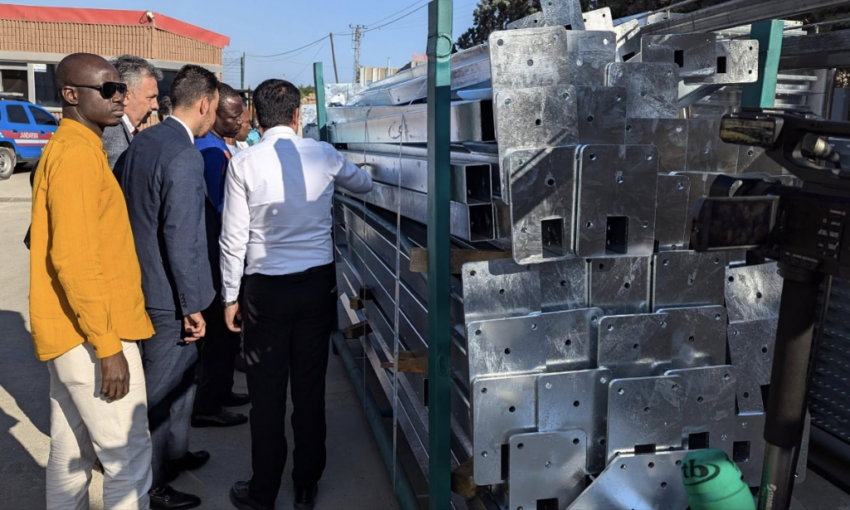
The construction of the stadium has been entrusted to Integral Sport, a Turkish company already involved in Burkina Faso’s sports infrastructure sector. This firm is also responsible for the Léguéma stadium in Bobo-Dioulasso, another 15,000-seat venue. Their selection for two major projects has sparked discussions about the project’s financial structure.
While Integral Sport will undoubtedly play a crucial role in executing the construction, their responsibility for funding remains unclear. The company may operate as a contractor under a public contract financed by the Burkinabè state, or it could be part of a broader financial arrangement involving multiple stakeholders. Until detailed contracts or official statements are made public, speculation about external funding—whether from Turkey or international banks—remains unfounded.
The Faso Mêbo agency’s involvement: operational partner or financial backer?
The Faso Mêbo agency, a public structure tasked with executing sports infrastructure projects, is reportedly collaborating on the Koudougou stadium. However, its role extends beyond mere execution. As a government-linked entity, Faso Mêbo is expected to provide resources, whether through funding, materials, or human capital. Yet, the exact nature of its contribution remains unspecified in available public documents.
Similarly, the presidential initiative behind the project suggests state-level involvement, but this does not automatically imply that the entire budget will be covered by national resources. Disclosing the project’s financial framework—including budget commitments and disbursement mechanisms—would clarify the government’s role and reassure citizens.
The consequences of financial secrecy: why transparency matters
Transparency in large-scale infrastructure projects is not merely desirable—it is essential for accountability and public trust. Citizens deserve to know how their tax money is being used and what benefits they can expect from such investments. For the Koudougou stadium, the following financial details should be made public without delay:
- The total estimated construction cost
- The primary sources of funding (public, private, or international)
- The contract awarding procedure and its conditions
- The expected timeline for construction and completion
If international partners are involved, their identities and contributions must also be disclosed. Such clarity would enable citizens to evaluate the project’s feasibility and its potential impact on Burkina Faso’s economy and social fabric.
What’s next? Calls for answers and the path forward
With construction timelines approaching, the pressure is on for authorities to provide concrete answers. The Ministry of Sports, the presidential initiative’s team, Faso Mêbo, and Integral Sport must address the following questions:
- Has the construction contract been signed, and what is its value?
- What procurement procedure was used to select Integral Sport?
- Are there any agreements for external financing?
Without these disclosures, the Koudougou stadium project risks becoming a symbol of opaque decision-making rather than a beacon of progress. Burkina Faso’s sports future depends not only on the quality of its infrastructure but also on the integrity of its financial processes.
The bigger picture: sports infrastructure and national development
The Koudougou stadium is more than a sports venue—it is an investment in Burkina Faso’s future. A well-funded, transparent project could inspire national pride, attract talent, and stimulate regional development. Conversely, a shrouded in financial secrecy, it risks diverting resources from more pressing needs and eroding public confidence in large-scale projects.
Until the project’s funding sources are clarified, the debate will continue. Citizens, businesses, and policymakers all have a stake in ensuring that Burkina Faso’s sports infrastructure investments are both ambitious and accountable.