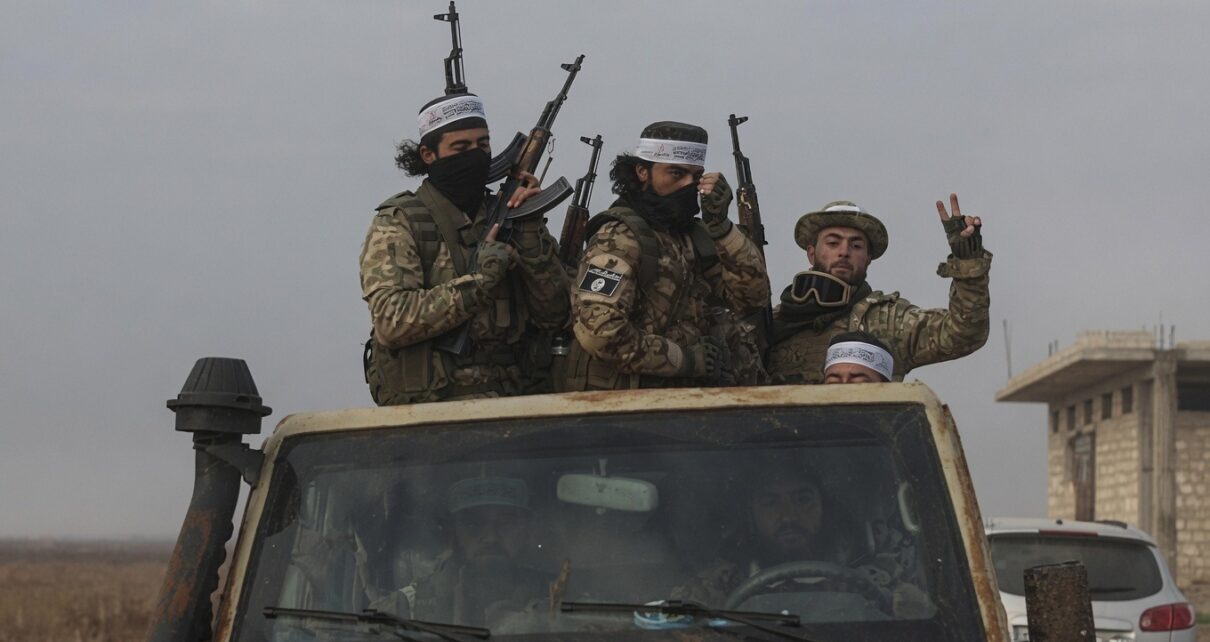
The sahelo-saharan strip has officially become the epicentre of global jihadism. From western Mali to the edges of the Lake Chad basin, millions of Sahelian civilians now live under the yoke of groups affiliated with Al-Qaida or the Islamic State. Banned from farming, subjected to ultra-violent social rules, and living in constant fear of the next raid, the daily life of these populations is a nightmare. But the most dramatic aspect of this descent into hell is not only the strength of the assailants: it is the glaring observation that no real security policy exists to contain the fire in the Sahel.
The reign of reaction and piecemeal responses
Faced with an interconnected threat that crosses the porous borders of the Sahel with disconcerting agility, state responses remain desperately fragmented, vague, and improvised. We are witnessing a succession of hot reactions after each massacre rather than the implementation of a thoughtful and shared military doctrine.
A genuine security policy is not limited to purchasing military equipment or making announcements on social networks. It requires:
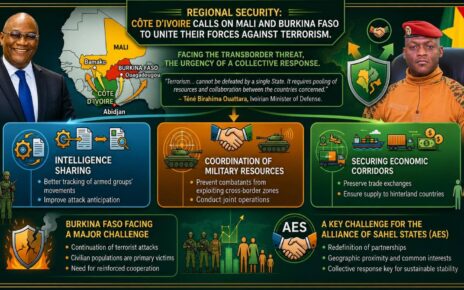
- Real and lasting strategic coordination among the frontline Sahelian states.
- A permanent plan to secure road axes and agricultural areas to protect the rural economy of the Sahel.
- Territorial coverage and shared intelligence capable of anticipating enemy movements instead of merely assessing the damage.
Instead, the current strategic vacuum leaves the field open to armed groups, who settle in, levy taxes, and impose themselves as the sole administrators of entire portions of Sahelian territory.
The trap of all-military without a global vision
Another symptom of this absence of a security policy in the Sahel is the illusion that the crisis will be resolved solely through weapons. By forgetting the “human security” component—which includes the return of public services, schools, clinics, and impartial justice in fragile areas—governments create a vacuum that jihadist recruiters exploit.
Because there is no long-term vision to sustainably re-establish the state where it has failed, even successful military operations become futile. As soon as the army pulls back or changes zone, terrorist groups return, stronger and more entrenched than before within local communities.
An urgent awakening or collapse
The assessment from Mali to Lake Chad is a severe warning for the future of the region. A global and structured insurgency cannot be fought with improvisation and ruptures in strategic alliances. As long as Sahelian leaders refuse to design a comprehensive, scientific, and truly coordinated security policy, political speeches will follow one another while the ground continues to slip inexorably into the hands of armed groups.