The pivotal moment that reshaped Burkina Faso’s political and military landscape unfolded on September 26, 2022, near the village of Gaskindé in the country’s northern region. A military convoy, dispatched to relieve the besieged town of Djibo, fell victim to a devastating ambush. Claimed by the Group for the Support of Islam and Muslims (GSIM), an Al-Qaïda affiliate, the attack resulted in at least 37 fatalities, including 27 soldiers, and left numerous others injured.
From tragedy to turmoil: the fallout of Gaskindé
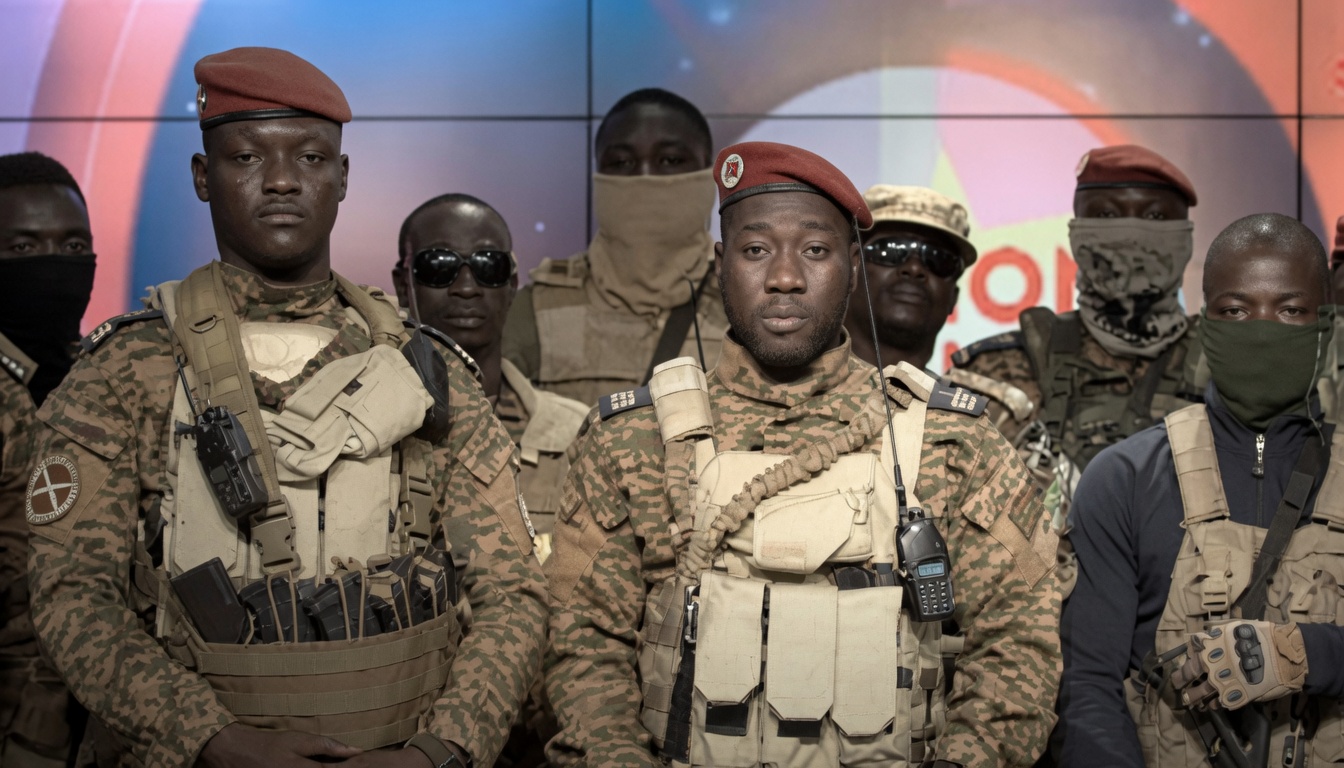
Beyond the immediate human toll, the ambush sent shockwaves through Burkina Faso’s corridors of power. Just four days later, on September 30, 2022, Captain Ibrahim Traoré launched a coup, ousting then-leader Paul-Henri Sandaogo Damiba. The swift succession of events raised immediate questions about the circumstances surrounding the attack and its role in catalyzing political change.
In the aftermath, calls emerged for thorough investigations to uncover how the convoy had been so precisely targeted. Key concerns included:
- The attackers’ exceptional level of preparation and coordination;
- The apparent deep knowledge of the convoy’s route;
- Gaps in the security apparatus protecting the supply line;
- Potential leaks or internal complicity facilitating the assault.
These were not minor queries—they pointed toward a potentially sensitive probe that could implicate military figures or systemic failures.
A stalled investigation and lingering doubts
Yet before any official findings could be released, the political earthquake of Damiba’s removal intervened. Since then, no comprehensive public report has clarified what transpired in Gaskindé. The absence of transparency has left three critical gaps unaddressed:
- No detailed official account of the investigation’s conclusions;
- No public accountability for any internal failures or wrongdoing;
- No clear information for the families of the victims to process their loss.
This opacity has fueled speculation, eroded public trust, and raised questions about the integrity of military institutions.
The paradox of power and accountability
Captain Traoré framed his coup as a necessary response to Burkina Faso’s spiraling insecurity—a crisis epitomized by the Gaskindé ambush. Yet, despite seizing power on the premise of fixing systemic flaws, his regime has not revisited the attack with the clarity its victims deserve.
If the purpose of the takeover was to break from past failures, why has the new leadership not seized the opportunity to expose the full truth behind Gaskindé? The lack of answers perpetuates a troubling paradox: an event used to justify regime change remains shrouded in ambiguity.
Governance in the shadow of unanswered questions
For any authority claiming legitimacy through a break from the past, transparency is not optional—it is a cornerstone of credibility. Ruling effectively means more than critiquing predecessors; it demands addressing unresolved questions with honesty and accountability.
By failing to disclose the status of the Gaskindé investigation, the military leadership risks reinforcing a damaging perception: demanding justice from the old guard while sidestepping the same scrutiny for itself. This double standard fuels skepticism and undermines institutional trust.
Security cannot ignore internal fractures
Burkina Faso’s fight against insurgency cannot focus solely on external threats. Historical evidence from conflict zones worldwide shows that armed groups thrive on internal weaknesses—whether in intelligence, command structures, corruption, or rivalries among security forces.
The Gaskindé ambush exposed vulnerabilities that extend beyond the actions of GSIM. When a military convoy is ambushed with such precision, the spotlight must also fall on the systems meant to protect it. The effectiveness of Burkina Faso’s anti-terrorism efforts depends not only on battlefield performance but on the courage to confront and correct internal failings.
A strong army is built on trust—between soldiers and their leaders, and between the military and the people. That trust cannot survive when national tragedies remain mired in uncertainty.
The enduring demand for truth
Nearly four years after the attack, the Gaskindé ambush remains a raw wound in Burkina Faso’s national conscience. The families of the fallen, the soldiers on the front lines, and the broader public deserve answers. This is not merely a political issue; it is a call for justice, remembrance, and public responsibility.
History has shown that no nation can build lasting stability on unaddressed tragedies. Gaskindé will continue to haunt Burkina Faso until a credible, independent, and transparent inquiry sheds full light on what happened. Only then can the country truly turn the page—and restore faith in its institutions.