a trip to Dakar overshadowed by football tensions
Arriving in Dakar, I carried a mix of excitement and unease. The Africa Cup of Nations (CAN) final loomed large—not just as a sporting event, but as a source of deep-rooted tension between Senegal and Morocco. A rivalry that had simmered beneath the surface suddenly burst into the open, revealing how a single match could ignite old wounds and reshape perceptions.
the weight of history in everyday conversations
Amadou, a friendly fifty-something taxi driver, greeted me warmly. He knew I was Moroccan. Our conversation flowed naturally until he paused and said, «Despite everything, Senegal and Morocco are brothers…» That phrase—so seemingly innocent—carried a heavy undertone. It wasn’t a statement of unity. It was a reminder of division, a quiet acknowledgment that football had exposed something fragile beneath the surface.
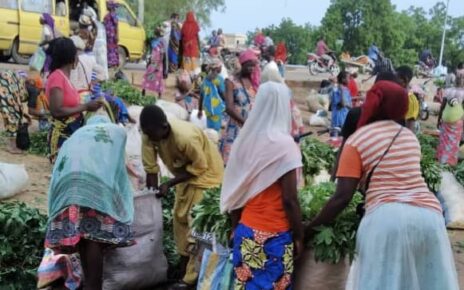
And that feeling wasn’t confined to taxis. In the bustling markets of Plateau, where vendors haggle over vibrant fabrics and handcrafted goods, the tension was palpable. A merchant quoted a price, then another, then another—each time higher when he realized I was Moroccan. «If it’s Morocco, then the price is 20,000 XOF,» he declared, shutting the door on negotiation. The usual warmth of West African commerce had turned cold. The invocation of shared faith or brotherhood—once a bridge across cultures—had no effect here. Instead, it triggered suspicion and distance.
«Perhaps one day, these lingering emotions will fade—not through political declarations, but through time and genuine human connection.»
unresolved grievances and calls for justice
Beyond commerce, the echoes of the final persisted in unexpected places. A human rights activist, fighting against female genital mutilation, turned to me with a plea: «Please, release our brothers held in Morocco. What are you waiting for?» The issue of detained Senegalese fans—arrested and tried after the controversial match—had become a recurring refrain. It wasn’t just about football. It was about dignity, respect, and the pain of seeing one’s own treated as outsiders.
Some openly admitted to boycotting Moroccan-owned businesses. Their words weren’t diplomatic. They were raw, honest, and laced with frustration. «We love Moroccans here in Senegal…» they’d say, but the ellipsis at the end spoke volumes—filling in the gaps with words like anger, disappointment, and betrayal.
can football break what it once united?
Diplomats may reconcile. Football federations may restore relations. But the hearts of people don’t mend as quickly. The warmth of Dakar—its laughter, its hospitality, its spontaneous friendships—remained undimmed. Yet, beneath that hospitality, a shadow lingered. One that football, in all its glory, had helped reveal.
Perhaps, in time, the wounds will heal. Not through press releases or official statements, but through quiet moments of connection—when a taxi driver smiles again without hesitation, when a merchant lowers his price without suspicion, when a stranger offers a hand without conditions. Until then, the final whistle of the CAN final still echoes—not as the end of a match, but as a moment that changed how two nations see each other.