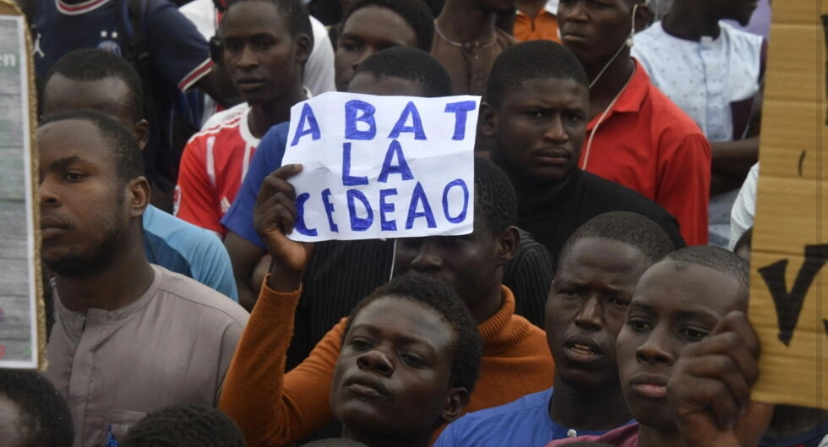
The impending withdrawal of Mali, Niger, and Burkina Faso from the Economic Community of West African States (ECOWAS) raises critical concerns about access to justice for citizens facing rights violations. Without this regional framework, victims may lose a vital recourse to challenge abuses by authorities or security forces.
Ilaria Allegrozzi, senior researcher at a leading human rights organization, highlights the significance of the ECOWAS Court of Justice in safeguarding fundamental freedoms. «The court was a crucial pathway for accountability, especially in countries where impunity for serious crimes is widespread and domestic legal systems are weak,« she explains. «Its rulings set important precedents, such as the landmark 2016 decision holding Niger accountable for failing to protect a citizen from slavery, or the 2012 case against Nigeria over oil company abuses.«
Why the ECOWAS Court mattered for human rights
The court’s accessibility was a key advantage. Unlike many judicial bodies, it did not require victims to exhaust all local legal avenues first, making it far more attainable for individuals in Mali, Niger, and Burkina Faso. This streamlined process was particularly vital in regions where state institutions struggle to deliver justice.
Allegrozzi underscores that the court’s independence provided a rare opportunity for victims to seek redress at a regional level. «For many, this was their only chance to challenge violations when national courts were either biased or ineffective,« she notes. «Its removal could leave thousands without a meaningful legal option.«
As these three nations reassess their regional alliances, the implications for human rights enforcement remain a pressing issue. The loss of this judicial safeguard could deepen challenges for citizens already facing systemic obstacles to justice.