Gabon and Ghana: a bold step toward continental economic integration
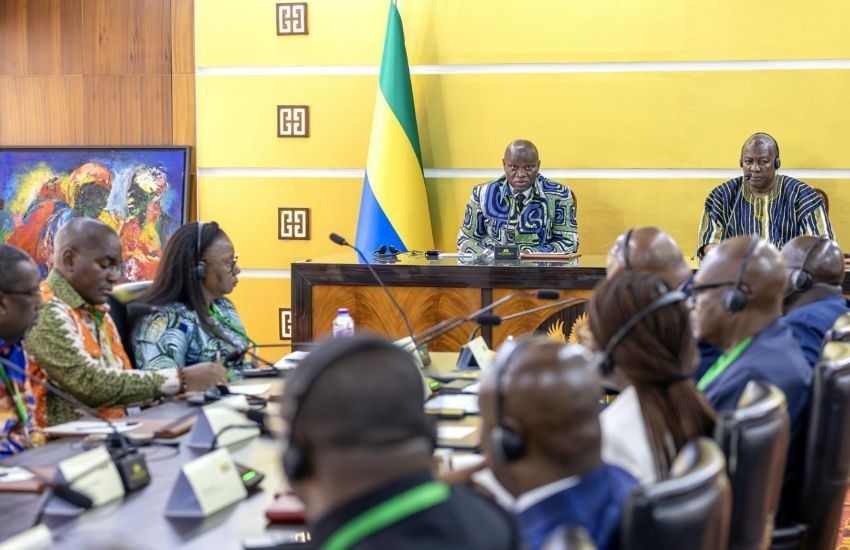
Libreville, July 29, 2026 — When Gabonese President Brice Clotaire Oligui Nguema selected Accra for one of his first major diplomatic engagements following his election, the move signaled a clear departure from conventional foreign relations. The two-day visit to Ghana was designed not merely as a diplomatic courtesy but as a strategic pivot toward deepening intra-African economic partnerships.
With African economies increasingly prioritizing self-reliance and regional cohesion, Libreville is positioning itself at the forefront of a continent-wide shift. The visit underscored a bold vision: transforming political alliances into engines of economic growth, investment, and industrial progress. For both nations, the partnership represents a rare convergence of complementary strengths—Ghana’s diversified and resilient economy on one side, and Gabon’s vast natural resource base on the other.
from dialogue to shared development
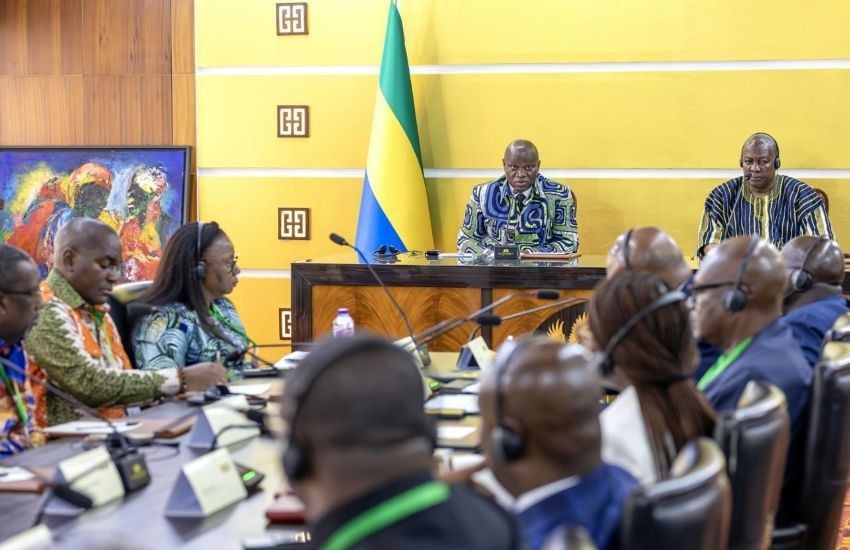
The official reception at the Jubilee House in Accra marked the beginning of intensive negotiations aimed at forging a partnership rooted in economic synergy. President Oligui Nguema and Ghanaian leader John Dramani Mahama engaged in focused discussions that extended well beyond ceremonial exchanges, culminating in a joint working session with key advisors and sector specialists.
The talks zeroed in on high-impact sectors where both countries could maximize mutual benefit. The priority areas identified—mining, agriculture, fisheries, forestry, digital innovation, education, and local value addition—reflect a shared commitment to moving beyond resource extraction toward integrated industrialization. This approach aligns with President Oligui Nguema’s broader economic agenda, which emphasizes diversification, skills transfer, and the creation of high-value jobs within Gabon.
concrete actions: two landmark agreements
Two significant agreements emerged from the deliberations. The first establishes a reciprocal diplomatic training program, designed to strengthen institutional capacities in both countries. The second creates a standing consultative mechanism, ensuring ongoing political alignment between Gabon and Ghana in regional and global forums.
The significance of these accords lies not in their novelty, but in their intent: to operationalize cooperation rather than leave it at the level of declarations. By institutionalizing dialogue and joint capacity-building, both nations are laying the groundwork for sustainable economic integration.
a new chapter in african economic diplomacy
This visit is emblematic of a deeper transformation in African diplomacy. For decades, economic engagement was largely directed toward external partners. Today, a growing number of African states are turning inward, recognizing that the fastest path to prosperity lies in strengthening trade, investment, and industrial collaboration within the continent.
The Gabon-Ghana partnership is a microcosm of this broader trend. Both countries are sending a clear message: collaboration must be based on mutual benefit, not dependency. Such an approach has the potential to significantly boost intra-African trade—currently far below its potential compared to other global regions.
The symbolic act of planting an arbre de l’amitié—an African mahogany—at the conclusion of the visit carried special meaning. For two nations deeply invested in environmental stewardship, the gesture underscored a shared commitment to sustainable development, climate resilience, and green industrialization.
from vision to execution
The true test of this partnership will be in its implementation. The signed agreements must now translate into tangible projects: joint ventures, educational exchanges, industrial collaborations, and market opportunities for businesses in both countries. The success of this initiative could serve as a model for other African nations seeking to accelerate their growth through continental partnerships.
For Gabon, this visit represents a strategic realignment. The country is no longer looking solely to traditional global partners for growth. Instead, it is investing in alliances that can support industrialization, technological innovation, and value creation right here on the continent. If this momentum is sustained, the Accra visit may well be remembered as a defining moment in the emergence of a confident, self-driven African economic diplomacy—one where nations not only talk among themselves, but build the future together.