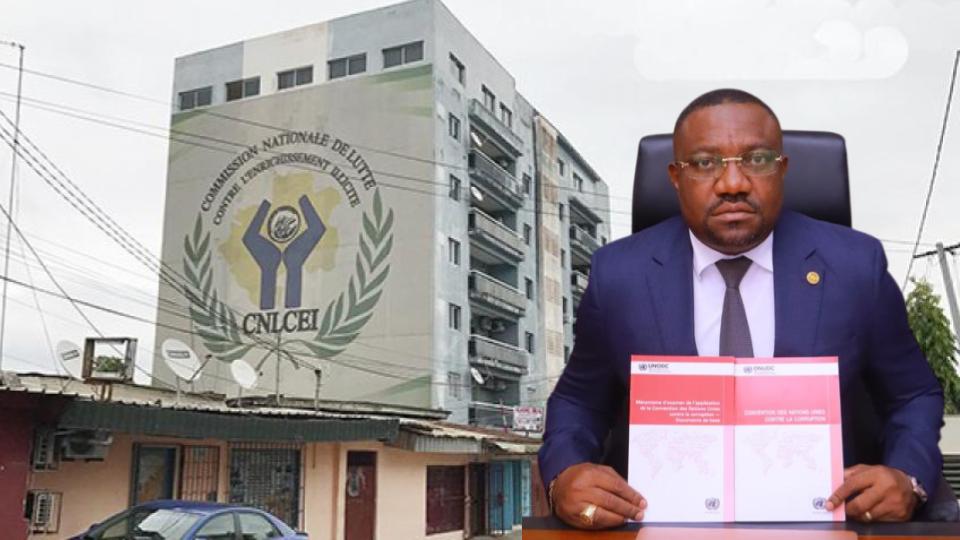
From june 29 to july 1, 2026, Libreville will welcome an international assessment mission as part of the second review cycle of the united nations convention against corruption (UNCAC). This strategic meeting will allow experts from the UN, Chad, and Libya to evaluate Gabon’s progress in preventing corruption and recovering illicit assets.
After years of institutional reforms and tighter oversight of public action, Gabon is set to take another step in its fight against corruption. The national commission for the fight against corruption and illicit enrichment (CNLCEI) announced that the so-called “country visit” phase of the second UNCAC review cycle will take place in Libreville from june 29 to july 1, 2026.
This international mission will bring together specialists from the united nations office on drugs and crime (UNODC), the republic of Chad, and the state of Libya—the countries designated to assess how Gabon implements convention provisions on preventive measures and asset recovery.
An international evaluation with strategic stakes
Gabon has been a party to the UNCAC since october 1, 2007, and actively participates in the review mechanism set up by states parties to gauge progress against corruption. The first cycle focused on criminalization of offenses and international cooperation; the second cycle tackles two sensitive areas: corruption prevention and recovery of assets derived from illicit activities.
The meetings scheduled at the Boulevard Hotel in Libreville will enable international examiners to scrutinize national systems related to transparency in public management, public procurement, asset declarations, civil society participation, anti-money-laundering efforts, and mechanisms for seizing and returning stolen assets.
Multiple institutions mobilized
All relevant administrations will be involved in this evaluation. Ministries, parliament, the court of audits, the general state control body, ANIF, customs, ARMP, judicial authorities, security forces, employer organizations, and civil society representatives will take part in various working sessions.
National coordination is handled by the CNLCEI through its focal point with the UNODC, Séraphin Ondoumba, a commissioner at the institution. According to the commission, this mission is an opportunity to highlight Gabon’s achievements while identifying areas that need improvement to further strengthen governance and transparency mechanisms.
A test for the fifth republic’s governance
Beyond its technical nature, this evaluation comes at a time when good governance, public financial transparency, and the fight against illicit enrichment are central to citizens’ expectations. The findings from this review could serve as a roadmap for future institutional and administrative reforms. They will also enable Gabon to receive enhanced technical support and share experiences with other states parties to the convention.
Through this step, Libreville aims to demonstrate its commitment to consolidating the principles of accountability, transparency, and rigorous management of public resources—requirements that are now essential to strengthen the trust of citizens, international partners, and investors.