Gabon has achieved a remarkable milestone in its external financing strategy, securing 920 million dollars through its latest Eurobond issuance. This substantial amount surpasses the initial target of 750 million dollars by 27%, marking the country’s most significant return to international markets in recent years.

Record-breaking issuance exceeds expectations
The July 30 issuance of the Eurobond was heavily oversubscribed, with investor demand exceeding 1 billion dollars. This allowed Libreville to finalize the deal at 920 million dollars, exceeding its original goal by 170 million. The bonds are set to mature in 2033, following a seven-year maturity period with a three-year grace period during which only interest payments are made.
The operation is scheduled to settle around August 5, according to official communications. The successful placement highlights renewed investor confidence, though the high coupon rate reflects lingering market caution.
Notable improvements over the 2025 issuance
This Eurobond issuance represents a significant step forward compared to the 570 million dollar private placement of February 2025. The new deal offers a longer maturity of seven years versus four years previously, while the coupon rate decreased slightly from 9.5% to 9.375%.
The total amount raised increased by 61.4%, though the effective yield remains uncertain as pricing details have not yet been disclosed. Unlike the 2025 operation, which focused on refinancing existing Eurobonds maturing in June, this issuance does not include debt buyback provisions. The funds raised are expected to primarily support public investment projects and address arrears, particularly in commercial and multilateral commitments.
Higher ambitions than Cameroon, but at a steeper cost
While Gabon’s issuance exceeds Cameroon’s recent Eurobond, the latter benefits from a more favorable financing structure. Cameroon’s debt includes a currency swap mechanism that converts dollar payments into euros, reducing exchange rate risks for a country pegged to the euro. This approach lowers Cameroon’s effective borrowing cost to 7.79% in euros—significantly below Gabon’s 9.375% coupon.
The Gabonese government has emphasized the scale of funds mobilized and the extended maturity as key achievements, though the absence of a published effective yield prevents a full cost comparison. Investor sentiment remains cautious, as reflected in the high borrowing premium.
Moody’s maintains cautious outlook
The Eurobond issuance follows Moody’s decision to affirm Gabon’s sovereign rating at Caa2 while revising its outlook from stable to negative. The credit rating agency cited significant financing needs, limited access to financial resources, and the risk of future debt restructuring or refinancing as key concerns.
The 9.375% coupon underscores that, despite the successful placement, investors continue to demand substantial risk premiums for Gabonese debt. The high cost of borrowing remains a persistent challenge for the country’s fiscal strategy.
Funds to support investment and clear arrears
According to official documentation, the net proceeds from the Eurobond will be allocated to public investment projects and the settlement of arrears, primarily commercial and multilateral obligations. The funds represent nearly 61% of the 857.9 billion FCFA (approximately 1.5 billion dollars) borrowing limit set by the revised finance law enacted on July 17.
The law also permits maturities of up to ten years, though the current issuance secured only seven years. Authorities have not yet addressed this discrepancy. With remaining borrowing capacity of about 580 million dollars, further market access remains a possibility, though no additional issuance has been announced.
IMF negotiations loom large
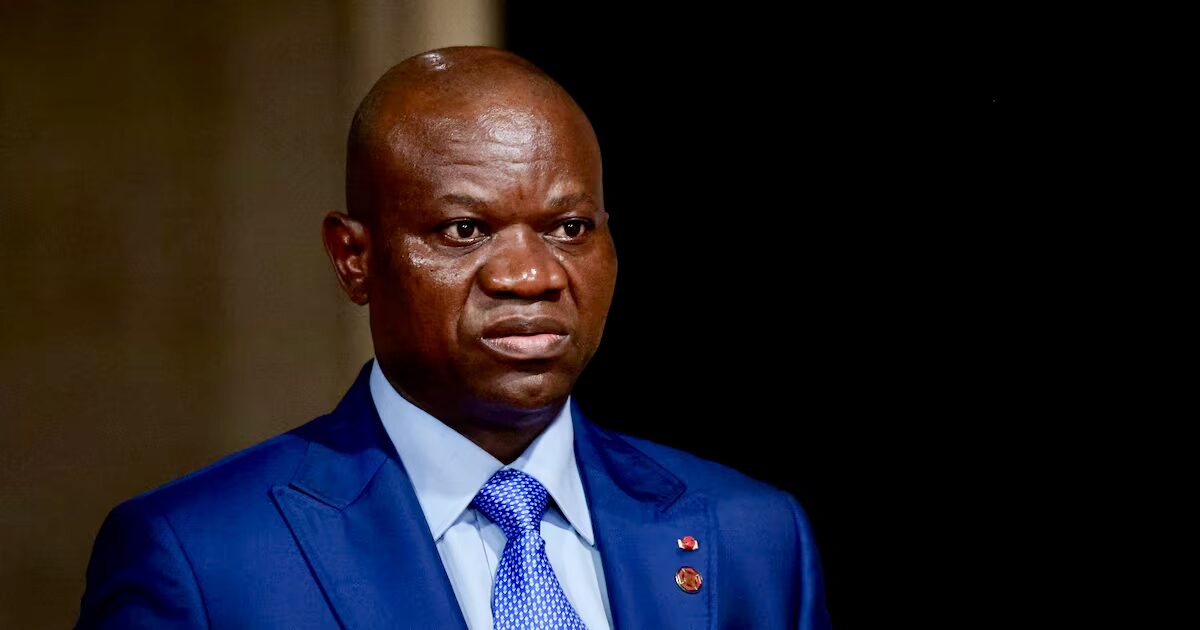
The Eurobond issuance, preceded by a preliminary prospectus on July 27 and led by Finance Minister Thierry Minko, serves as a signal to international markets. The government views the transaction as evidence of renewed investor confidence in Gabon’s economic reforms and fiscal trajectory.
This perception could be bolstered by ongoing negotiations with the International Monetary Fund. Technical discussions are underway, with an IMF mission expected in Libreville in September to finalize an economic and financial program before the end of 2026.
Despite the commercial success of the Eurobond, Gabon faces a stark reality: access to international markets comes at a premium, reflecting persistent risk perceptions among global investors.