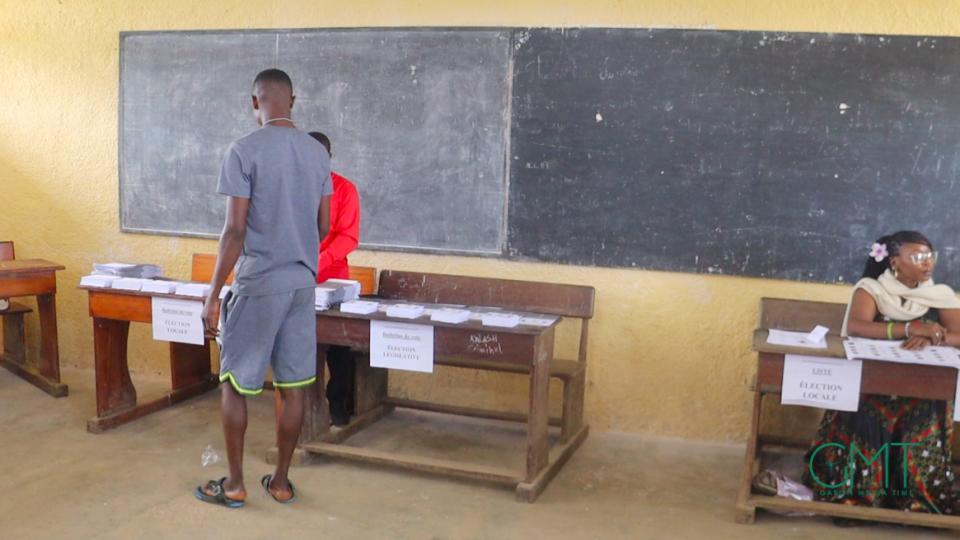
Gabon is among the select nations highlighted in the 2026 report from the Swedish institute Varieties of Democracy (V-Dem) for its evolving democratic path. While numerous African states are categorized as experiencing democratic decline, Gabon stands out as an example of advancement, particularly following its return to constitutional governance after the Transition period and the scheduled organization of elections in 2025.
A significant positive indicator has emerged for Gabon concerning its democratic governance. In its 2026 report, released in June, the Swedish institute Varieties of Democracy (V-Dem), a globally recognized authority in assessing political systems, has removed Gabon from the list of countries experiencing democratic backsliding. Instead, the nation is now classified among those demonstrating positive democratic developments worldwide.
According to data presented by V-Dem, Gabon currently ranks 114th out of 179 evaluated countries. Although this position indicates ongoing substantial challenges, it nonetheless represents a clear departure from trends observed in recent years, during which the country was frequently associated with states showing deteriorating democratic indicators.
The 2025 elections emphasized by V-Dem
The report attributes this positive shift to institutional changes that occurred following the Transition, notably the planning of general elections in 2025 and the restoration of civilian rule. V-Dem views these developments as placing Gabon among the few countries identified as exhibiting a dynamic of democratic progression. The report also cites Lebanon, Mauritius, and South Korea as other nations showing positive international developments.
This favorable assessment comes at a time when, according to V-Dem, several Sub-Saharan African countries continue to record a deterioration in their democratic indicators.
While this evolution is an encouraging sign, it does not imply that Gabon is now among the top-ranked democracies. Holding the 114th global position, the nation still faces considerable challenges in areas such as governance, institutional consolidation, citizen participation, and strengthening the rule of law.
The report further underscores that democratic progress remains reversible, and several countries that previously saw improvements later experienced reversals. In this context, the improvement noted by V-Dem appears more as a significant step than a final achievement.
An indicator closely watched by international partners
V-Dem’s research is widely utilized by academics, international organizations, financial backers, and diplomatic missions to monitor the evolution of political systems globally.
For Gabon, this positive development could help enhance its international standing, especially as authorities have expressed a commitment to continue institutional reforms initiated since the political Transition began on August 30, 2023.
The challenge now lies in transforming this momentum, spearheaded by President Brice Clotaire Oligui Nguema, into sustainable advancements, ensuring that future international evaluations confirm the country’s firm path toward democratic consolidation.