Gabon’s diplomatic push seeks real economic gains after Oligui Nguema’s Africa tour
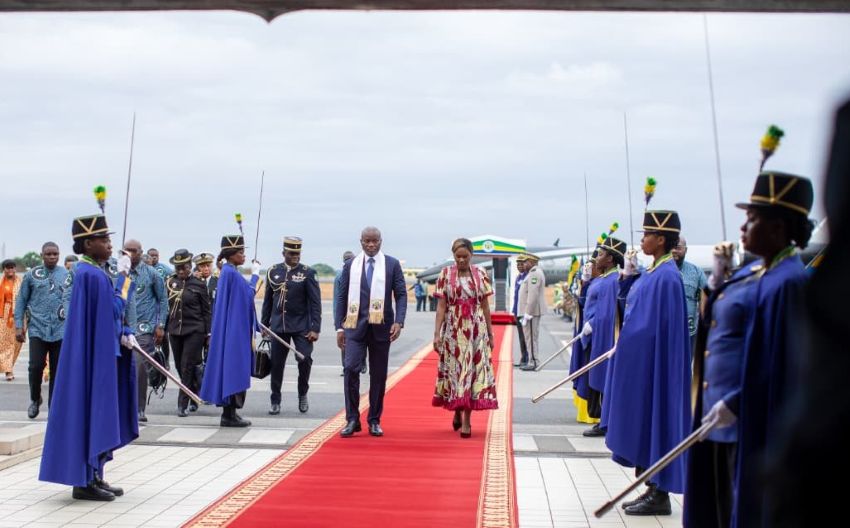
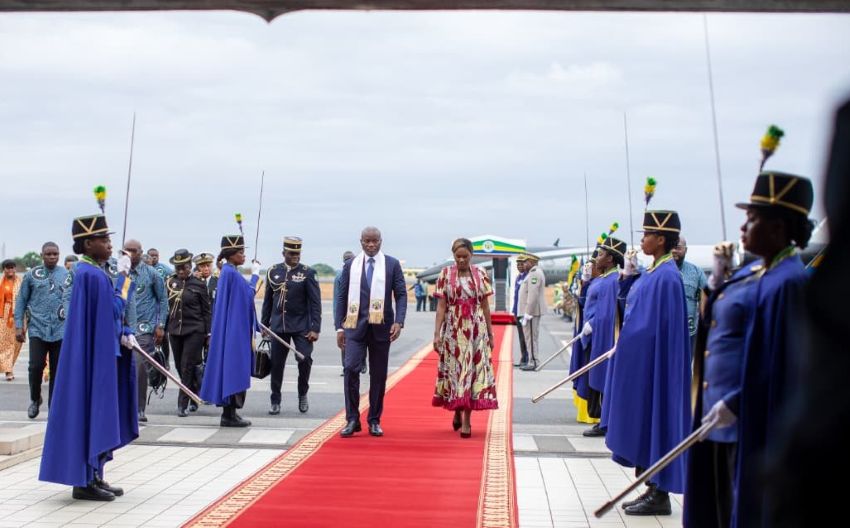
Libreville, August 8, 2026 — Brice Clotaire Oligui Nguema returned to Libreville on Friday, concluding a ten-day African tour that was far more than a routine diplomatic mission. As the Gabonese president steps back into the corridors of power, the real test begins: turning handshakes and agreements into tangible economic benefits for Gabon.
The success of this diplomatic effort will not be measured in the number of meetings held, but in the concrete outcomes it generates—new investments, infrastructure projects, job creation, and expanded trade opportunities for Gabonese businesses.
From diplomacy to economic transformation
This was a mission with a clear agenda. While high-level political exchanges remained central, the focus shifted to practical sectors: infrastructure, energy, agriculture, workforce training, trade, and foreign investment. This marks a significant shift in Gabon’s foreign policy, moving beyond symbolic representation to actively support national development goals.
The president’s visit to Côte d’Ivoire exemplified this new approach. In Abidjan, Oligui Nguema toured industrial zones, examined key infrastructure, and engaged with business leaders including executives from NSIA and Aurion Capital. These discussions placed Gabon’s investment climate and energy sector at the forefront of bilateral talks.
Building partnerships, not just alliances
Gabon is not merely seeking stronger state-to-state relations—it aims to position itself as a prime destination for African investment. By showcasing its resources, infrastructure potential, and business opportunities, Libreville is positioning itself not just as a partner, but as a regional hub for economic growth.
Côte d’Ivoire served as a compelling case study. Abidjan’s model—driven by infrastructure development, industrialization, and private sector mobilization—demonstrates how a country can significantly enhance its economic footprint through deliberate policy choices. Oligui Nguema did not visit as a passive observer; he sought actionable insights to inform Gabon’s own economic strategy.
This approach transforms cooperation between Libreville and Abidjan from mere diplomatic courtesy into a platform for learning, financing, industrial collaboration, and skills transfer. The same principle applies to the agreements reached in other capitals during the tour.
From promises to performance
Returning to Libreville does not signal the end of the journey—it marks the beginning of accountability. A results-driven foreign policy cannot be judged by the number of signed agreements alone. What matters now are implementation timelines, project launches, job creation figures, and technology transfers.
Will Gabon secure new foreign investments? Will domestic industries gain access to larger markets? Will infrastructure projects finally break ground? These are the questions that will define the next chapter of Oligui Nguema’s presidency.
Diplomacy as an engine of progress
The president’s white sash—emblazoned with Gabon’s national coat of arms—symbolized a commitment to linking national identity with continental engagement. But symbols alone are insufficient. The true measure of this diplomatic initiative will be its impact on the people of Gabon.
The next phase may not be measured in kilometers traveled, but in projects delivered. Gabon now has a strategic window to attract partners, secure funding, and learn from successful African models. The challenge ahead is clear: to make diplomacy not just a reflection of national pride, but a driving force behind economic transformation.